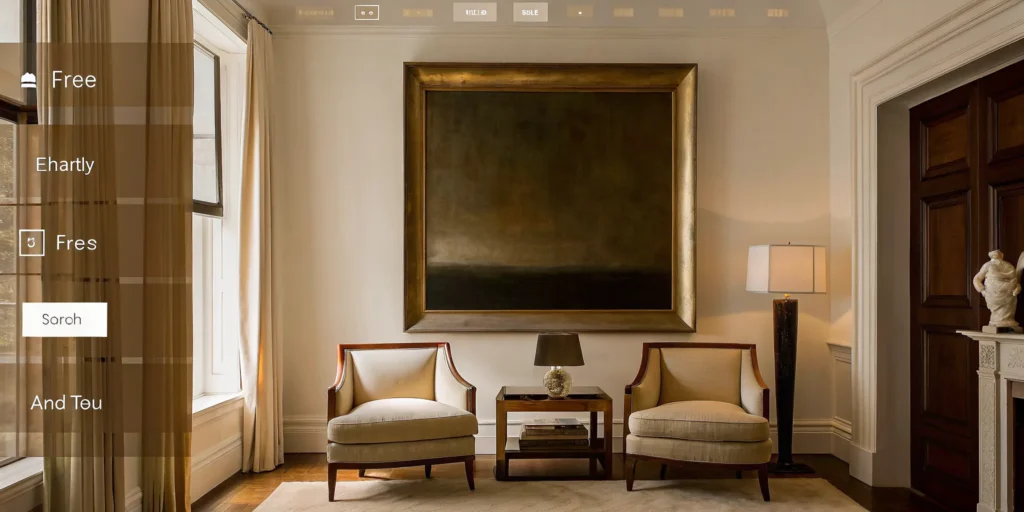
Hanging an heirloom canvas over an existing couch often reduces a masterpiece to mere wall filler. For serious collectors, a home must feel like a lived-in gallery where every room serves the art.
By definition, art-first interior design New York is a highly tailored design process that builds bespoke residential spaces directly around a client’s art collection. Instead of placing artwork last, this custom approach treats each painting and sculpture as the physical starting point for all of our design choices. Proper wall spaces, neutral paint colors, and proper gallery lighting are planned early to ensure your home feels warm, welcoming, and functional. We pair each room with custom artisan furniture and global craftsmanship, avoiding mass-produced items so your unique collection can truly stand out. This process creates a timeless and elegant dialogue between the custom architecture of the room and the fine art it houses.
Contact CW DESIGN to begin your art-first interior design in New York
How do you shift from treating art as decor to making it the core of your home? Understanding this change is vital for any serious art collector. To explore this philosophy, we must first look at What Art-First Interior Design Really Means, and here is how.
What Art-First Interior Design Really Means
Many homeowners think of art as the final touch. They choose the sofa, paint the walls, and then hang a painting to fill the blank space. At CW DESIGN, our art-first design philosophy flips this old process on its head. The artwork is not a finishing detail; it is the starting point for the entire room.
The artwork as the origin
When you design a space around a collection, the artwork dictates the room. The shape of a sculpture or the brushstrokes on a canvas tell us how to build the space. We look at the color palette, the scale, and the texture of your pieces before we select a single chair. The room becomes a clear frame that honors the art instead of fighting with it.
This approach requires a shift in how we look at space. Instead of matching a rug to your drapes, we match the wall texture to the brushstrokes of a painting. We study how natural light hits the canvas at different times of day to protect the work. Every line, shadow, and surface works to tell a single story.
The limits of traditional decorating
Traditional design often treats art like a prop. When you buy furniture first, you limit how you can display your collection. You might have to squeeze a large painting into a small corner or hang it in poor light. To create a true home gallery, we often build custom architectural elements that reshape rooms.
When a design does not put art first, the results do not work. A homeowner might hang a bright, modern painting on a wall with busy wallpaper. The two pieces fight for your eye, and the power of the art is lost. At CW DESIGN, we build quiet, thoughtful spaces that allow your collection to take the lead.
The emotional resonance of home
A home is not a public museum. While a public gallery can feel cold, sterile, and distant, a private home must feel warm, personal, and inviting. True art-first design builds an environment where architecture, personal collections, and daily life connect.
This creates a deep emotional resonance that reflects your true identity and lifestyle. You do not just look at the art from a distance; you live alongside it every single day. Your home becomes a living gallery that feels both grand and lived-in.
Why New York Art Collectors Choose an Art-First Interior Designer
For serious collectors in Manhattan and Brooklyn, a home is more than a place to live. It is a private haven where fine paintings and sculpture shape daily life. Standard design plans often treat art as a final touch. This is why collectors seek out art-first interior design new york firms to shape their spaces.
The home as a personal museum
An art-first home goes beyond standard house design. It creates a space where architecture, personal collections, and deep meaning work together. A study of custom home design published by the Porter and Chester Institute shows this clearly. This research suggests that good design should focus on warmth over cold gallery walls.
This warm approach invites people to live with their collection rather than just look at it. To achieve this balance, collectors need bespoke design elements. Standard store fixtures can clutter a room and distract from the art. Instead, custom millwork and hand-selected furniture create a classical background.
This careful framework helps your pieces stand out. As detailed by interior-design research, custom architectural features help reshape rooms to serve as the best galleries. This approach ensures your art remains the focal point of every room.
A single source of expertise
A true gallery-style home needs more than just nice furniture. It needs a designer who understands both spatial design and the fine arts. Catherine Weinstock brings this rare mix to every project.
She studied fine art, interior design, and furniture restoration in Europe. In 2006, she founded CW DESIGN to bring these three fields together under one principal. You can read about her training on our about page.
Having one expert manage the whole process saves time and prevents mistakes. Catherine does not use standard, mass-produced items. She works with global artisans to find or restore rare pieces. These unique items match the scale and tone of your art to create a quiet dialogue.
Global vision and calm direction
Serious collectors often have homes in more than one city. They need a partner who can manage work across many countries. CW DESIGN works with clients across the globe, with active projects in New York, London, and Dubai. This wide reach gives the firm a deep knowledge of global design standards and art markets.
Large home projects can feel complex and stressful. Catherine provides calm, sure guidance to make the process simple. She limits how many projects she takes each year to ensure she can visit every space in person. This small studio model allows her to give each client her full attention.
How an Art-First Design Process Works: From Collection to Concept
Designing a home around your own art collection is a clear path. It turns a standard space into a curated home. This art-first interior design in New York does not treat art as a final touch. Instead, the artwork serves as the start for the entire home. To build this bond, we must follow a clear and simple path that respects each piece.
Auditing your art collection
Each project begins with a deep, on-site review of your collection. We must visit your space in person to feel its light and structure. During this stage, we study the history, colors, and textures of your art. We then build the design mood board to show how these textures will mix with wood, stone, and fabrics. This mood board serves as a clear bridge from your art collection to the final spatial concept.
The five-step execution blueprint
Our method relies on a five-step path to align your home spaces with your collection. We guide each client through these steps on-site to ensure a seamless fit. This on-site work ensures that the spatial narrative aligns with the art, making sure the home remains a warm place to live.
- Inventory and understand the collection. We inspect each piece on-site to list its size, medium, and frame style. This step helps us find the true weight and visual core of your art.
- Define the spatial narrative. We plan how your art will guide your sight and movement through the home. Each wall becomes a chapter in a larger, clear story.
- Resolve scale, proportion, and placement. We place each piece room by room to balance the sight lines. Custom architectural details can re-proportion rooms to create a classic backdrop where fine art takes flight.
- Engineer lighting and curation. We design precise lighting layouts to protect and highlight each piece. Proper lighting keeps colors true without causing damage over time.
- Commission bespoke furniture. We create custom furniture that dialogues with the art. By skipping stock fixtures, we ensure that every table and chair respects the tones of your collection.
Designing bespoke surroundings
Once these steps are complete, we focus on the fine details of artisan craft. We work with global artisans to build furniture that fits your collection. This process creates a calm, quiet luxury that feels both warm and timeless. By focusing on whole-home design, we create a space where your daily life and your art exist in perfect balance.
Designing a Gallery-Style Home Interior That Still Feels Lived In
Many art collectors worry that displaying fine art in your home will make it feel like a cold museum. They want a space that is both refined and cozy. Real art-first design works to bring warmth and comfort to your space. It builds a home where you can live your daily life while enjoying your collection.
When you live with fine art, the pieces should not feel off-limits. A home is a place for living, not just viewing. By planning the layout around your favorite works, you can create a natural flow that feels both elegant and easy. The goal is to make the art feel like a true part of the home rather than a simple display.
The balance of warmth and curation
Design experts agree that true art-first design values warmth and comfort over a sterile feel. It builds spaces that invite you to connect with your art rather than just view it from a far wall. To achieve this balance, we pair fine paintings with soft fabrics, warm woods, and cozy seating. This mix keeps the space from feeling like a public gallery.
We also use flowing shapes and rich textures to soften the clean lines of large art frames. A plush rug or a hand-carved wood table can ground a room that features bold, modern paintings. This creates a pleasing link between the art and the room. Every item in the space works to make the art stand out while keeping the room warm and open.
Lessons from a SoHo loft
One great example is a 4,500 square-foot SoHo loft. As featured in Architectural Digest, a busy family needed their home to be safe for kids and pets while showing a colorful art collection. This shows how art-first interior design in New York can meet the needs of a real, active home.
The design team did not choose between beauty and function. Instead, they used durable fabrics and smart layouts to protect the pieces while keeping the space cozy. For example, they chose soft rugs and solid wood tables that withstand daily play. They also hung fragile works higher on the walls. This layout let children and pets run free without risk. The result is a grand, light-filled space that feels like both a high-end gallery and a warm family home.
Spaces made for active living
To make an art-filled home feel lived in, the design must invite active use. Avoid placing paintings in tight halls where people might bump into them. Instead, hang large works in main living areas where family and friends gather. Use lighting that highlights the art but also creates a warm, soft glow for the entire room.
Pair sculptures with low tables or stools that people can actually use. This turns your collection into a natural part of your daily routine rather than a distant display. When art is part of your daily sight, it sparks joy and starts conversation. It becomes more than just an asset on a wall. By mixing art with useful layout choices, you create a home that is both stunning and easy to live in. Every room feels like a welcoming place to live rather than a cold showroom.
Dialogue, Not Competition: How Art and Furniture Coexist in a Bespoke Interior
An art-first home does not let furniture compete with fine paintings or sculptures. Instead, the layout uses furniture to frame and support your collection. True art-first design puts warmth and comfort first to make a home feel lived-in and real. Our design blends your house, your art, and your personal story so they work as one. This balance is key for any art-centric space. A great room should feel like a personal museum but still remain cozy. Every chair and table should have its own place and voice. They should speak to the art, not yell over it.
The role of custom scale
Standard rooms often have odd sizes or poor light. In high-end homes, we use custom architectural elements to change room shapes so they fit your art. Bespoke wood trim and rare pieces from across the globe create a classic backdrop. This lets your fine art take flight. We also scale each piece to match the wall it sits on. A small chair next to a large canvas can look lost. A huge couch can block a delicate sketch. We pair shapes and lines to build a steady flow through the room.
Shared textures and stories
Our firm works with global artisans to make custom furniture. These items do not crowd or overshadow your paintings. Instead, we treat each chair, table, and cabinet as a frame. This method is central to our art-first design philosophy, where we build rooms around your collection. The right piece of furniture will share the same rich history and texture as the artwork above it. When an artisan carves a table by hand, that piece has soul. It matches the depth of a hand-painted canvas. They use the same raw woods, aged metals, or rare stones. These shared materials build a silent link across the room. The room feels whole because the art and furniture share a common bond.
A neutral base
A coexisting room needs the right base colors. Bold walls can pull eyes away from a soft painting. We use soft, neutral tones on the walls to let the art shine. But we also add rich fabrics on the chairs to bring out the colors in the art. This style creates a dialogue where both elements work together to please the eye.
| Design Element | Furniture-First Design | Art-First Coexistence |
|---|---|---|
| Role of Art | Artwork is an afterthought or filler for empty walls. | Artwork is the point of origin for the entire room. |
| Furniture Selection | Stock fixtures chosen based on trend or showroom layout. | Bespoke, artisan-crafted pieces made to fit the art. |
| Room Proportions | Fixed layout that limits display options for large art. | Custom millwork adjusts room shape to serve as a gallery. |
| Visual Balance | Furniture and paintings compete for attention. | Furniture acts as a frame to elevate the art collection. |
| Material Selection | Standard woods and fabrics with no relation to art. | Shared materials and history connect art and furniture. |
How Do Art, Scale, and Light Work Together in a Collector’s Home?
Bringing fine art into a private home needs careful planning. You cannot simply hang a painting and hope for the best. To build an art-first home, you must treat your walls and rooms as active parts of the display. This means you must master light, scale, and safety to protect your pieces.
The balance of scale and proportion
Scale is how the art fits the room. A small painting can get lost on a large wall. A large canvas can overwhelm a small room. In many custom homes, standard wall sizes do not work.
Designers often use custom millwork to change how a room feels. This custom work helps re-proportion the room so it can serve as a proper gallery. You can see how this works in practice through interiors where custom trim helps frame fine art.
Custom millwork also hides messy cords and creates clean, straight lines on your walls. These lines let your fine art take center stage without any visual noise.
The role of gallery-grade lighting
Light is the key element when showing art. Poor light can hide fine details or make colors look dull. Good lighting uses three layers: spot, ambient, and conservation. Spotlights draw the eye to the art.
Ambient light fills the room with a soft glow. You must also think about light safety. Direct sunlight can fade paint and ruin paper over time.
Modern design solves this by using low-heat LED lights. These lights do not emit harmful UV rays. Our global projects, like this luxury townhouse, use smart dimmers. These systems let you change the light level to suit the time of day.
Preserving art in a living space
Safety matters just as much as beauty. A home is not a sterile museum. It has dust, damp air, and shifting heat. You must protect your art from these threats.
Keep art away from heating vents and fireplaces. Shifting heat can warp wood frames and crack canvas paint. Damp air can cause mold to grow on paper. You should keep the room at a steady heat and moisture level.
Many collectors use museum-grade glass to block dust and light. Proper hanging is also key. You must use strong wall anchors and heavy-duty wire to keep large pieces secure. By using these gallery steps, you can enjoy your art for years.
Commissioning an Art-Integrated Whole-Home Design in New York
Boutique atelier scale
To build a truly curated space, clients often look for art-first interior design in New York that honors their collection. CW DESIGN is a boutique atelier. The firm chooses quality over volume, taking on just one or two large projects each year. Catherine Weinstock brings deep training in fine arts and furniture restoration to each project. You can learn more about her background and path on our about page. This small scale ensures that she can give her full focus to each home.
A whole-home project is a large task that often spans more than a year. These complex, multi-year commissions need patience and planning. To create a classical backdrop that makes fine art take flight, CW DESIGN rejects standard stock fixtures. Instead, the firm designs bespoke architectural elements like custom millwork to re-proportion rooms. This careful work turns a standard home into a private museum.
On-site design for global spaces
Catherine Weinstock must visit every space in person to understand its unique feel. She does not offer virtual design or work off-site. Whether your project is an entire apartment in Manhattan or a large estate, she works on-site to plan the layout. She studies how local light enters each room at different times of the day.
This hands-on work has a globe-spanning scope that goes far beyond New York. CW DESIGN serves clients with homes in London and Dubai, managing projects across major cities. Working on-site lets the firm work with local builders and craftspeople. This direct contact keeps the quality high, no matter where your home is located.
A multi-year commission process
Because the firm takes on very few clients, each commission is highly exclusive. This small scale means slots fill up quickly for the coming year. She works closely with you to source rare, hand-made pieces. The finished home feels deeply personal, showing your unique life and taste.
If you wish to design a home around your collection, the first step is to discuss your goals. We invite you to contact CW DESIGN to begin a dialogue about your space. This meeting allows us to explore your art and share our vision. We can then discuss how a custom commission can bring your collection to life.
Ready to place your collection at the center of your home? Contact CW DESIGN today
Frequently Asked Questions
Can you design a home if the art collection is still growing?
Yes, we design homes that adapt as your collection grows. We build a versatile framework with flexible light systems and adaptable wall layouts. This clean approach lets you rotate, swap, or add new artworks over time. You can do this without needing a full structural redesign of the home.
Does a home with a large art collection have to feel like a museum?
No, a home with a large art collection should feel warm and inviting, not cold like a museum. Your space must remain a livable home for daily life. Great design combines art and architecture to show your true identity.
How do you budget for an art-first interior design project?
Every project is unique and needs a custom plan. Budgeting depends on your goals, your choice of materials, and your expectations of quality. Because of this, we use a quote-based model. We build a custom scope for each client to get the best results. Please contact CW DESIGN to discuss your project needs.
How long does a whole-home art-centric design project take?
A complete home design built around art is a large project that values quality over speed. These deep, whole-home designs often take about twelve to eighteen months to finish. This time lets us find unique pieces and work with global artisans. We limit our active projects to ensure each home gets our full focus.
Ready to Design Your Home Around Your Art Collection?
Leaving your art in storage or hanging it in an ill-suited space means your collection never gets the focus it deserves. When you delay your project, you risk placing valuable pieces in rooms with poor light or bad scale, which harms their look. Starting your design today lets us shape the room layout, lighting, and finishes to fit each painting, canvas, and sculpture perfectly from day one. This detailed planning prevents costly mistakes, protects your fine art investment, and brings your cohesive, gallery-style home to life much sooner.
Ready to design your space? Contact CW DESIGN today to begin an art-first whole-home interior design consultation. Let us build a beautiful home around your collection.
Pingback: How to Design Around an Art Collection: A Guide – CW DESIGN
Pingback: Art Collection Interior Designer Brooklyn: Collector’s Guide – CW DESIGN
Pingback: Bespoke Interior Design for Art Collectors: A Guide – CW DESIGN
Pingback: How to Display Fine Art Collection at Home: A Guide – CW DESIGN
Pingback: Art Gallery Home Interior Design: A Curated Residence – CW DESIGN
Pingback: Private Gallery Room Home Design for New York Collectors – CW DESIGN
Pingback: Integrating Sculpture Into Interior Design – CW DESIGN
Pingback: Interior Design for Contemporary Art Collectors – CW DESIGN
Pingback: Interior Design Starting With Art Collection: A Preparation Guide – CW DESIGN
Pingback: Designing a Home for a Growing Art Collection – CW DESIGN