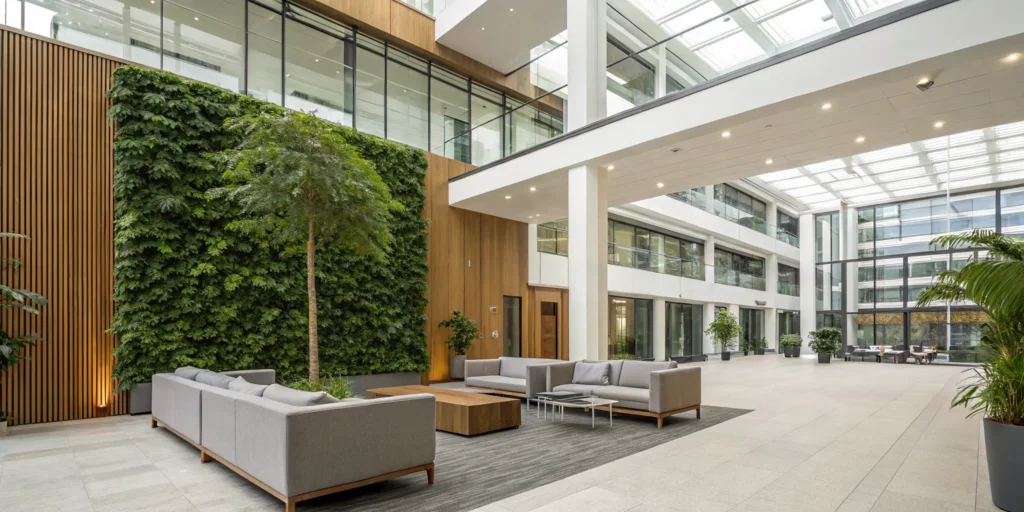
For those of us living in vibrant urban centers like New York or London, the disconnect from the natural world can feel profound. We crave a retreat, a personal sanctuary where we can recharge from the city’s constant energy. This is where biophilic interior design becomes essential. It is a deliberate practice of weaving the calming elements of nature into our homes, creating a powerful antidote to the concrete and steel outside. By thoughtfully incorporating natural light, living greenery, and organic textures, you can transform a city apartment or townhouse into a restorative haven that supports your well-being and feels deeply connected to nature.
Key Takeaways
- Think Beyond Houseplants: Biophilic design is a complete philosophy, not just decoration. It uses natural light, materials, and organic patterns to create a home that actively reduces stress and improves your well-being.
- Layer Natural Elements with Purpose: Create a sophisticated look by making intentional choices. Maximize sunlight with sheer curtains, group plants to form a lush focal point, and introduce textures like wood, stone, and linen for warmth and authenticity.
- Invest in Well-being at Any Budget: This is a timeless investment in your health, not a passing trend. You can start small by using mirrors to amplify light in an apartment or go bigger by choosing sustainable, foundational materials for a renovation.
What Is Biophilic Interior Design?
Have you ever noticed how a walk through a park or a moment spent by the water can instantly clear your head and calm your spirit? That feeling of connection is at the heart of biophilic design. It’s an approach to interior design that seeks to bring that same sense of peace and vitality indoors by strengthening our innate connection to nature. This goes far beyond simply placing a few potted plants in a room. It’s a thoughtful philosophy that uses natural light, materials, patterns, and forms to create environments that are not only beautiful but also deeply restorative.
In a world where we spend so much of our time inside, biophilic design is about intentionally creating a sanctuary that supports our well-being. It’s about designing spaces that feel alive and harmonious. For us at CW DESIGN, this means weaving the textures of stone and wood, the patterns of leaves and water, and the flow of natural light into a cohesive and sophisticated design. Whether it’s a sun-drenched living room in a Tribeca loft or a serene bedroom overlooking the water in Sands Point, the goal is to create a home that feels like a natural extension of you, a place where you can truly relax and recharge.
The Philosophy of Nature-Inspired Design
At its core, biophilic design is guided by the principle of “biophilia,” which literally means “a love of life or living systems.” It’s the idea that we as humans have an inherent need to connect with nature. This philosophy suggests that by thoughtfully incorporating elements of the natural world into our built environments, we can create spaces that genuinely support our mental and emotional health. It’s about designing interiors that don’t just look good, but feel good on a fundamental level. The Biophilic Design Institute explains that this approach greatly affects our happiness by fulfilling that deep-seated need for a connection to the outdoors.
The Science: Why We Need Nature Indoors
This isn’t just a feeling; there’s compelling science behind why we crave nature in our spaces. Studies have shown that interacting with natural elements, even indoors, can have profound effects on our bodies and minds. Research indicates that environments with biophilic features can significantly reduce stress, improve cognitive function, and even help us sleep better. Our brains are simply wired to respond positively to the patterns, textures, and light found in nature. According to the Green Building Alliance, even passive exposure to natural patterns and images can improve memory and attention. It’s a powerful reminder that our surroundings have a direct impact on our well-being.
Key Elements of Biophilic Design
Biophilic design is more than just adding a few potted plants to a room. It’s a holistic approach that weaves various natural elements together to create a cohesive, restorative environment. When we thoughtfully combine these components, we build a space that feels deeply connected to the natural world. Each element plays a unique role, from the light we see to the materials we touch, all working in harmony to support our well-being. At CW DESIGN, we see these elements as the building blocks for creating spaces that are not only beautiful but also deeply nurturing for the people who inhabit them.
Natural Light
Sunlight is the cornerstone of biophilic design. Large windows, skylights, and open floor plans are fantastic for flooding a space with daylight, which helps regulate our internal clocks and lifts our spirits. But it’s not just about direct sun. We can also use lighting strategies that mimic natural light, like using diffuse fixtures to soften brightness or creating intentional shadows to add depth and mystery. Thoughtful lighting design can completely change the ambiance of a room, making it feel more dynamic and alive throughout the day, just as it would outdoors.
Plants and Greenery
Introducing plants is a direct and beautiful way to bring life indoors. The key is to be intentional with placement. Instead of scattering a few small plants around a room, consider grouping them to form a focal point. A cluster of varied plants in a corner or a collection of hanging ferns can create a lush, impactful statement that draws the eye and feels like a small piece of a garden. This approach feels more deliberate and integrated, turning simple greenery into a true design feature that energizes the space.
Natural Materials: Wood, Stone, and Woven Fibers
The materials we choose have a profound effect on how a space feels. Incorporating natural materials like wood, stone, and other earthy elements helps create a warm and inviting atmosphere that feels grounded and authentic. Think of the rich grain of a walnut table, the cool smoothness of a marble countertop, or the soft texture of a wool rug. These materials connect us to the natural world through touch and sight, adding a layer of sensory richness that synthetic materials often lack. They provide a timeless foundation for any design.
Water Features
Water introduces a dynamic and soothing element into our homes. The gentle sound and movement of water can have an incredibly calming effect, helping to reduce stress and create a tranquil sanctuary. This doesn’t have to mean a massive installation. You can incorporate this element through elegant indoor waterfalls, a beautifully designed rock shower, or even accent pieces like lamps that create light patterns mimicking the movement of water. These features add a multisensory layer to your space, making it feel more vibrant and restorative.
Natural Textures, Patterns, and Colors
Nature is full of complex patterns and textures, and bringing these into our homes adds visual interest and depth. Think beyond solid colors and smooth surfaces. You can layer in natural textures with woven fabrics for baskets and rugs, choose furniture with visible wood grain, or select stone with natural veining. These elements, combined with a color palette drawn from nature, like earthy greens, sky blues, and warm ochres, ground the space. This combination of textures and organic patterns makes a room feel richer and more connected to the environment.
The Benefits of Bringing Nature Indoors
Integrating natural elements into your home is about more than just aesthetics; it’s a lifestyle choice with profound, scientifically-backed effects on your mental, creative, and physical health. When we intentionally design our spaces to connect with nature, we create environments that actively support our well-being. It’s about crafting a home that not only looks beautiful but feels restorative, turning your personal space into a true sanctuary where you can recharge and thrive. This approach transforms your home from a simple dwelling into a place that nurtures you on every level.
Reduce Stress and Improve Well-Being
We all know that feeling of calm that washes over us during a walk in the woods or a day at the beach. Biophilic design brings that same restorative power indoors. It’s based on our innate human need to connect with nature, and the results are tangible. Studies show that living and working in spaces with natural elements can significantly lower stress levels and improve your overall sense of well-being. By thoughtfully incorporating these features, your home can become one of those therapeutic interior environments that helps you decompress from the demands of daily life, leading to better sleep and a more balanced state of mind.
Increase Focus and Spark Creativity
A cluttered mind can be a major block to productivity and creativity. Natural environments have a way of clearing away that mental fog, and the same is true for biophilic interiors. By reducing stress and providing gentle, engaging stimuli, these spaces help sharpen your focus. Research has even shown that classrooms using biophilic principles can enhance student creativity. Whether you’re working from a home office, brainstorming a new project, or simply seeking inspiration, surrounding yourself with natural light, plants, and organic textures can help your best ideas flow more freely. It creates a supportive backdrop for deep thinking and innovation.
Enhance Your Health and Air Quality
The health advantages of biophilic design are both direct and indirect. Live plants are well-known for their ability to improve air quality by filtering toxins and releasing oxygen, creating a fresher, healthier atmosphere. But the benefits don’t stop there. Even visual connections to nature, like artwork depicting landscapes or the use of natural materials, can have a positive effect on your mood and energy levels. Choosing wood, stone, and natural fibers over synthetic alternatives also often means fewer volatile organic compounds (VOCs) in your home. This holistic approach contributes to a cleaner, healthier environment where you and your family can breathe easier.
How to Bring Biophilic Design into Your Home
Integrating biophilic principles into your home is about making thoughtful, intentional choices that reconnect your living space with the natural world. It’s more than just adding a few houseplants; it’s about creating an environment that genuinely supports your well-being. You can start small or plan a complete redesign, but every step you take will help craft a home that feels calmer, fresher, and more alive. These actionable strategies will guide you in transforming your space into a personal sanctuary, whether you live in a sprawling estate or a chic city apartment.
Maximize Natural Light
Sunlight is the cornerstone of biophilic design. To make the most of it, assess how light moves through your home during the day. Replace heavy drapes with sheer linen curtains that diffuse light beautifully, creating a soft, ethereal glow. Arrange furniture to leave clear paths from windows into the room, allowing sunlight to reach deeper into your space. In the evening, you can use lighting that mimics natural light, with systems that can shift in color temperature and intensity to align with a natural circadian rhythm. This creates a seamless transition from day to night that feels both intuitive and calming.
Layer in Plants and Greenery
While plants are an obvious addition, their placement is key to achieving a sophisticated look. Instead of scattering individual pots around a room, think like a designer and create intentional green zones. Group several plants of varying heights and textures together in a corner to form a lush focal point that draws the eye. A tall Fiddle Leaf Fig next to a cascading Pothos on a stand can create a dynamic, multi-layered effect. This approach feels more deliberate and turns your greenery into a living art installation, making a much stronger statement than isolated plants.
Select Furniture and Finishes in Natural Materials
The materials you choose for your home have a profound impact on its atmosphere. Ground your space by incorporating furniture and finishes made from natural elements. Think of a solid wood dining table, a stone fireplace surround, or a hand-knotted wool rug. At CW DESIGN, we often restore vintage furniture, celebrating the inherent beauty and history of natural wood. These materials bring an organic texture and warmth that synthetics simply cannot replicate. Even small touches, like linen throw pillows, woven baskets, or a marble tray, can introduce an essential layer of natural texture and authenticity to your decor.
Amplify Light and Space with Mirrors
Mirrors are a designer’s secret weapon for enhancing light and creating an illusion of space. When used strategically, they can also support your biophilic design goals. Place a large, elegantly framed mirror on a wall opposite a window to capture and reflect sunlight, instantly making the room feel brighter and more open. For another clever touch, position a mirror near your plant groupings. This simple trick doubles the visual impact of your greenery, making the space feel more lush and immersive. The soft, curved shapes of many mirrors can also add a gentle, organic form to a room.
Add a Water Feature for Instant Calm
The sound and movement of water have an immediate soothing effect on the mind. Bringing this element indoors can transform the ambiance of your home. For a truly integrated experience, you might consider a custom feature like a minimalist indoor waterfall in an entryway or a tranquil rock wall in a primary bathroom. If you’re looking for a simpler approach, a beautifully crafted tabletop fountain placed on a console table or in a quiet reading nook can provide the same calming auditory benefits. The gentle sound of flowing water helps mask ambient noise and creates a peaceful, meditative atmosphere.
Creating a Biophilic Home on Any Budget
Embracing biophilic design doesn’t require a complete renovation or an unlimited budget. It’s about making intentional choices that strengthen your connection to the natural world from the comfort of your home. Whether you’re looking for simple updates or planning a more significant project, you can weave the principles of nature-inspired design into your space in a way that feels both authentic and accessible.
The key is to focus on impact. Small, thoughtful changes can transform the atmosphere of a room, while strategic investments can create a lasting foundation for a healthier, more serene environment. From adding a few well-chosen plants to incorporating natural materials, there are countless ways to bring the outdoors in. Let’s explore how you can apply these ideas to your home, no matter its size or your budget.
Simple, Budget-Friendly Ideas
At its heart, biophilic design is about inviting nature into your daily life. The easiest way to start is with plants. Fill an empty corner with a large statement plant, like a bird-of-paradise or a Monstera deliciosa, to instantly add life and a sculptural element to the room. Even a few small potted plants on a windowsill or bookshelf can make a difference.
Another simple yet effective technique is to use mirrors. Placing a mirror opposite a window can amplify natural light and reflect the greenery from your plants, making the room feel brighter and more expansive. Mirrors with soft, curved shapes also introduce organic forms that break up the hard lines and angles often found in modern interiors, adding a subtle touch of nature’s fluidity.
Biophilic Design for Apartments and Smaller Spaces
You don’t need a sprawling home to enjoy the benefits of biophilic design. In fact, it can be particularly impactful in apartments and smaller living areas where a connection to nature might feel distant. Think vertically to maximize your space. A living wall, for instance, can become a stunning focal point in a living room or even a bathroom. You can create your own with floating shelves, wall-mounted planters, or a trellis for climbing plants.
For plants that are high up or difficult to reach, consider self-watering pots to simplify maintenance. Integrating greenery into unexpected places, like a home office or kitchen, can also create moments of calm throughout your day. The goal is to infuse your environment with natural elements in a way that feels integrated and effortless, proving that any space can become a sanctuary.
Where to Invest for the Greatest Impact
If you’re ready to make a more significant investment, focus on elements that form the foundation of your space. The long-term benefits, from improved air quality and a calmer mind to greater creativity, make it a worthwhile endeavor. Start with materials. Choosing furniture made from natural wood, incorporating a stone accent wall, or laying down a woven fiber rug introduces textures and patterns that ground your home in the natural world. These elements engage the senses and create a tangible connection to nature.
Another area for investment is in form and structure. When selecting new furniture or planning a renovation, opt for pieces with curved lines and organic shapes. These softer silhouettes mimic the forms found in nature and can make a space feel more welcoming and harmonious. By focusing your investment on these core components, you create a timeless backdrop that supports both your well-being and your aesthetic vision.
Is Biophilic Design Just a Trend?
With any design movement that gains popularity, it’s fair to ask about its staying power. Is biophilic design just another fleeting aesthetic, or is it a foundational principle for creating better spaces? While it may be having a moment in the spotlight, its roots go much deeper than a simple trend. It’s based on the science of human wellness and our inherent connection to the natural world. This isn’t about following a fad; it’s about returning to a way of designing that feels intuitive and right. By understanding what biophilic design truly is, and what it isn’t, you can see why it’s a timeless approach to creating spaces that nurture and inspire.
Debunking Common Myths
It’s easy to think biophilic design is just about scattering a few potted plants around a room. While greenery is a wonderful element, this is one of the most common myths about the practice. True biophilic design is a much deeper philosophy. It’s about creating a holistic connection to the natural world through light, air, materials, and even patterns that mimic nature. Another misconception is that it’s purely for aesthetics. While beautiful, its benefits are more than skin deep. It’s a design approach grounded in improving how we feel and function in a space. Many people assume that biophilic design is only about bringing the outdoors inside, but its advantages for our well-being run much deeper.
Why Biophilic Design Is a Timeless Choice
Unlike trends that come and go with the seasons, biophilic design is rooted in something fundamental: our innate human need to connect with nature. This connection isn’t a fleeting preference; it’s part of our biology. That’s why creating spaces that honor this bond will always feel relevant and restorative. The purposeful integration of nature into our homes and offices has been shown to promote well-being and health, making it a sustainable choice for the future. It’s about crafting environments that support our health and happiness for the long term. A home that makes you feel calm, focused, and connected is a home that will never go out of style.
The Link Between Biophilic Design and Sustainability
Biophilic design is more than just an aesthetic; it’s a philosophy rooted in our innate connection to the natural world. It follows that a design approach centered on celebrating nature would also prioritize protecting it. Sustainability isn’t a separate goal but an inherent part of true biophilic design. When we thoughtfully bring elements of the outdoors inside, we also become more conscious of the resources we use and the impact our choices have on the environment.
This synergy creates spaces that not only feel good but also do good, aligning our personal well-being with the health of the planet. It’s about creating a home that is both a sanctuary for you and a responsible partner to the world outside your windows. By weaving these two concepts together, we can build environments that are restorative, beautiful, and fundamentally respectful of the natural world that inspires them. This approach moves beyond trends to create a lasting, meaningful impact.
Choosing Sustainable Materials
The core of biophilic design involves using materials that come directly from the earth, so choosing them responsibly is a natural next step. This means looking beyond just the appearance of wood, stone, or natural fibers and considering their origin. Opting for reclaimed wood, fast-growing bamboo, or stone sourced from local quarries minimizes your home’s environmental footprint. These materials bring an authentic, grounding texture to a space that synthetics simply can’t replicate. By focusing on sustainable materials, you ensure that the natural beauty you’re bringing indoors hasn’t come at a high environmental cost. This creates a design that is both beautiful and ethical, reflecting a deeper appreciation for nature.
Designing with Environmental Responsibility
A truly biophilic space is designed with the environment in mind from the very beginning. This goes beyond material selection and into the fundamental structure of the design. For instance, maximizing natural light is a key biophilic principle that also reduces reliance on artificial lighting and lowers energy consumption. Thoughtful placement of windows, skylights, and even mirrors can dramatically brighten a room. Similarly, incorporating plants and interior green walls can help improve indoor air quality, reducing the need for electronic air purifiers. It’s a holistic approach where design choices that connect us to nature also support a healthier, more efficient home.
Partner with a Designer for Your Biophilic Space
While you can certainly start incorporating biophilic principles on your own, partnering with an interior designer can transform your vision into a cohesive and truly immersive reality. Creating a space that feels genuinely connected to nature is more than just adding a few plants; it’s about orchestrating a delicate balance of light, texture, form, and material. A designer with a deep understanding of these concepts can help you craft an environment that is not only beautiful but also profoundly restorative. They bring a trained eye to the project, ensuring every element works in harmony to support your well-being.
A skilled designer acts as your guide, helping you select sustainable materials and create layouts that maximize natural light and flow. Their expertise allows them to see the bigger picture, weaving natural patterns and textures throughout your home in a way that feels intentional and sophisticated. This holistic approach is key to the full benefits of biophilic design, which can help you feel calmer and more creative in your daily life. By focusing on how to best connect people with nature within the built environment, a designer ensures your home becomes a true sanctuary.
Ultimately, the right partnership is about more than just aesthetics. It’s a collaboration to create a space that reflects your personal identity and enhances your lifestyle. A designer like Catherine Weinstock brings a unique, multidisciplinary perspective, blending artistry with functionality to design a home that is both timeless and deeply personal. By working with a professional, you can move beyond simply decorating a space and instead create a meaningful environment that nurtures your connection to the natural world for years to come.
Frequently Asked Questions
How is biophilic design different from just adding a lot of plants to my home? That’s a great question because it gets to the heart of the philosophy. While plants are a wonderful part of it, biophilic design is a much more comprehensive approach. It’s about creating a holistic sensory experience that connects you to nature. This includes maximizing natural light, using materials like wood and stone that feel good to the touch, incorporating patterns found in nature, and even adding the soothing sound of a water feature. It’s the thoughtful combination of all these elements that creates a truly restorative environment, rather than just decorating with greenery.
Can my home still look modern and sophisticated with biophilic design? I’m not a fan of rustic styles. Absolutely. Biophilic design is a set of principles, not a specific aesthetic like “rustic” or “bohemian.” These principles can be beautifully integrated into any style, including sleek, modern, and highly sophisticated interiors. For a contemporary look, we might use a polished marble countertop with dramatic veining, furniture with clean lines made from rich walnut, or large, frameless windows to create an uninterrupted view. The goal is to weave natural elements in, not to create a cabin-in-the-woods feel unless that’s what you want.
I live in a city apartment with limited natural light. Can I still use these principles? Yes, you certainly can. While abundant sunlight is ideal, you can work with what you have. A well-placed mirror opposite a window can do wonders to amplify the light you do get. You can also invest in high-quality lighting that mimics the color temperature of natural daylight. Beyond light, you can focus on other key elements. Incorporate natural materials through your furniture and decor, layer in textures with wool and linen textiles, and choose hardy, low-light plants like snake plants or ZZ plants to bring in that touch of green.
What is the best first step to take if I want to try biophilic design without a full renovation? A wonderful place to start is with textiles and materials, as they have a huge impact on the feel of a room. Consider swapping out synthetic materials for natural ones. Replace polyester throw pillows with linen or wool covers, or trade a synthetic rug for one made of jute or wool. Another simple but impactful step is to create a single, intentional “green moment” by grouping three to five plants of varying sizes in a corner. This creates a focal point that feels more deliberate and lush than scattered pots.
Does a biophilic home require a lot of maintenance? It doesn’t have to. While a home filled with exotic plants will naturally require some care, you can make low-maintenance choices. Many beautiful plants, like the cast iron plant, are incredibly resilient. You could also opt for preserved moss art, which offers a stunning green texture with zero upkeep. More importantly, the foundational elements of biophilic design, such as natural light, stone surfaces, wood furniture, and organic patterns, require no more maintenance than any other high-quality interior finish.