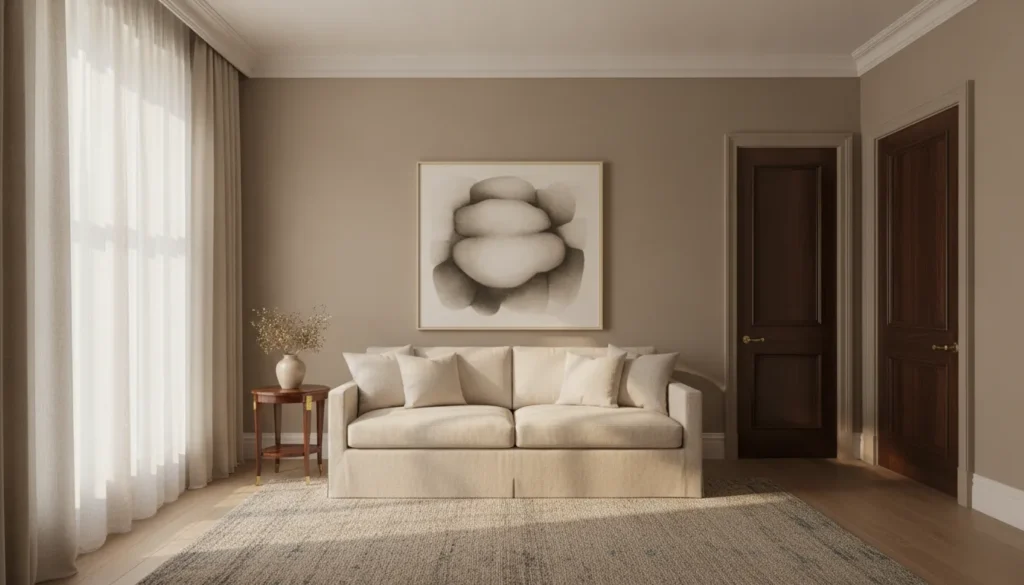
A high-net-worth homeowner weighing a major project is buying a long relationship with one residence, not a package of rooms. Interior design high-net-worth homeowners research often starts with trust: whether a studio can be left with a collection, a household, and a year or more of decisions. The useful question is what that relationship should feel like before any fabric is chosen. A serious client should expect the designer to stand in the house, listen harder than they present, and keep the whole project coherent until the last piece is placed.
CW DESIGN takes a small number of whole-home projects and sees each one in person. The studio’s approach starts with the art and the architecture already there, then builds the rooms around how the client actually lives. That is the standard a high-net-worth homeowner should use to judge any firm, including this one.
If you are weighing a serious whole-home project, the next step is a conversation about the property and the collection. Discuss an on-site interior design commission with CW DESIGN.
How high-net-worth homeowners approach a major project
Most homeowners in this position do not start by asking for a mood board. They start because the house no longer matches the life in it. A collection has outgrown the walls. A townhouse renovation has left the rooms feeling borrowed. An apartment is beautiful and still wrong for the way the family uses Tuesday night. The project is a correction of the whole house, not a refresh of one room.
The first meeting should test fit, not close a sale. A useful first visit covers four things, and a studio that skips them is telling you how the rest of the year will go.
- The designer walks the property and talks about what the rooms already do well, not only what they would change.
- The conversation starts with the collection and daily life, before any talk of a look.
- The homeowner hears who will actually lead the work, and who will be in the house.
- Both sides can say no. Limited room for new work is a condition of attention, not a tactic.
Catherine Weinstock will not design a house she has not visited. Light, ceiling height, and the path from the street to the family rooms cannot be judged from photographs. That on-site requirement is the first expectation to set. A remote proposal can be polished and still be wrong for the room.
Homeowners who already know they want the art to lead the house can read how an art-first interior is planned. That is a design method. This article is about the relationship around it.
What exacting clients should expect from the relationship
An exacting client is not difficult. They have a clear standard and they notice when it slips. The relationship should make that standard easier to hold, not turn every decision into a performance. Five expectations separate a serious engagement from a decorative one.
| Expectation | What it looks like in practice | What should concern you |
|---|---|---|
| One point of judgment | The same designer leads from the first visit through installation. | A senior visit, then a rotating team you have not met. |
| The house comes first | Proposals respond to the property, the collection, and how you live. | A signature look applied to every client. |
| Plain scope | You know what is included, what is not, and what still depends on the site. | A vague promise that everything will be handled. |
| Discretion | Household routines, art, and vendors stay out of public conversation. | Your project used as content before you have agreed. |
| A finish line you can see | Installation includes editing, not only delivery. | Boxes arrive and the designer is already on the next job. |
Scope deserves a plain conversation, and it deserves one early. Every house is different, and the level of materials, goods, and services changes the work. CW DESIGN does not publish fees, because a number given before the property is understood is a guess. A homeowner should expect a clear conversation about scope instead of a rate card.
The legal shape of that engagement, the stages from brief to installation, and the client’s role along the way are covered in what an interior design commission includes. Duration is its own question. How long a whole-home project takes depends on the building, the approvals, and the making, and it should not be folded into a relationship guide.
How a designer earns trust before any scheme is shown
Trust with an exacting client is not a feeling produced by a good presentation. It is a series of small proofs that the designer can hold a standard when nobody is watching. The proofs start before a scheme exists.
The first proof is attention to what is already in the house. A collector can tell within one visit whether the designer is looking at the art or looking past it toward a new sofa. Scale, light, and the relationship between works are the test. If those are waved off, later drawings will wave them off too.
The second proof is a refusal. A designer who will not take a project that needs a different kind of firm is safer than one who says yes to every brief. CW DESIGN is built for a few large, art-oriented commissions a year, the kind that run for a year or more. A homeowner who wants a fast furnishing of one room is better served elsewhere. Saying that out loud is part of the fit.
The third proof is who is in the room. On a boutique engagement the person who made the promise should still be the person resolving a problem at installation. Firms that win on a principal’s name and then hand the house to a team the client has never met create a trust gap that no mood board closes. Readers comparing studio models can use the guide to boutique firms in New York for that structural difference. It is a choosing question, not the relationship itself.
The fourth proof is discretion about sources. CW DESIGN works with artisans, and those relationships stay private unless a specific reference is approved for a specific project. A homeowner should expect the same restraint about their own household. Names, collections, and the way a family lives are not marketing material.
Industry guidance for studios that serve ultra-high-net-worth clients makes the same point from the trade side. Relationship, confidentiality, and a proven record of delivery matter more than a pretty proposal (SBID on building trust with ultra-high-net-worth clients). The homeowner’s version of that test is simple. Did this person protect the last house they were trusted with, and can they show the rooms?
How interior design high-net-worth homeowners should judge the result
The outcome of interior design for high-net-worth homeowners is not a photograph. It is a house that still makes sense on an ordinary Wednesday, and still makes sense five years later. A homeowner can judge that result without a design vocabulary.
The collection should look as if it belongs to the architecture, not as if it were hung after the decorating was done. Public rooms should be complete enough for a guest, and private rooms should be better than the rooms guests see, because that is where the life is. Furniture should be made or restored for the room it sits in. Nothing important should depend on a trend that will date the house.
That standard is the same one behind CW DESIGN’s timeless interior design philosophy: materials, proportion, and craft chosen to last, with the collection as the starting point rather than the last purchase. The outcome is a residence the owner does not feel the need to redo when the next style arrives.
There is a second outcome that is easy to skip. The household should be able to run. A dinner can be served. A work of art can be moved. A child can cross the house without the rooms feeling staged. If the result only works when the photographer is there, the relationship failed even if the pictures are good.
Seeing finished work is part of judging this. CW DESIGN’s projects show how a whole residence is held together, which is more useful than a single styled corner.
Where privacy sits inside a serious commission
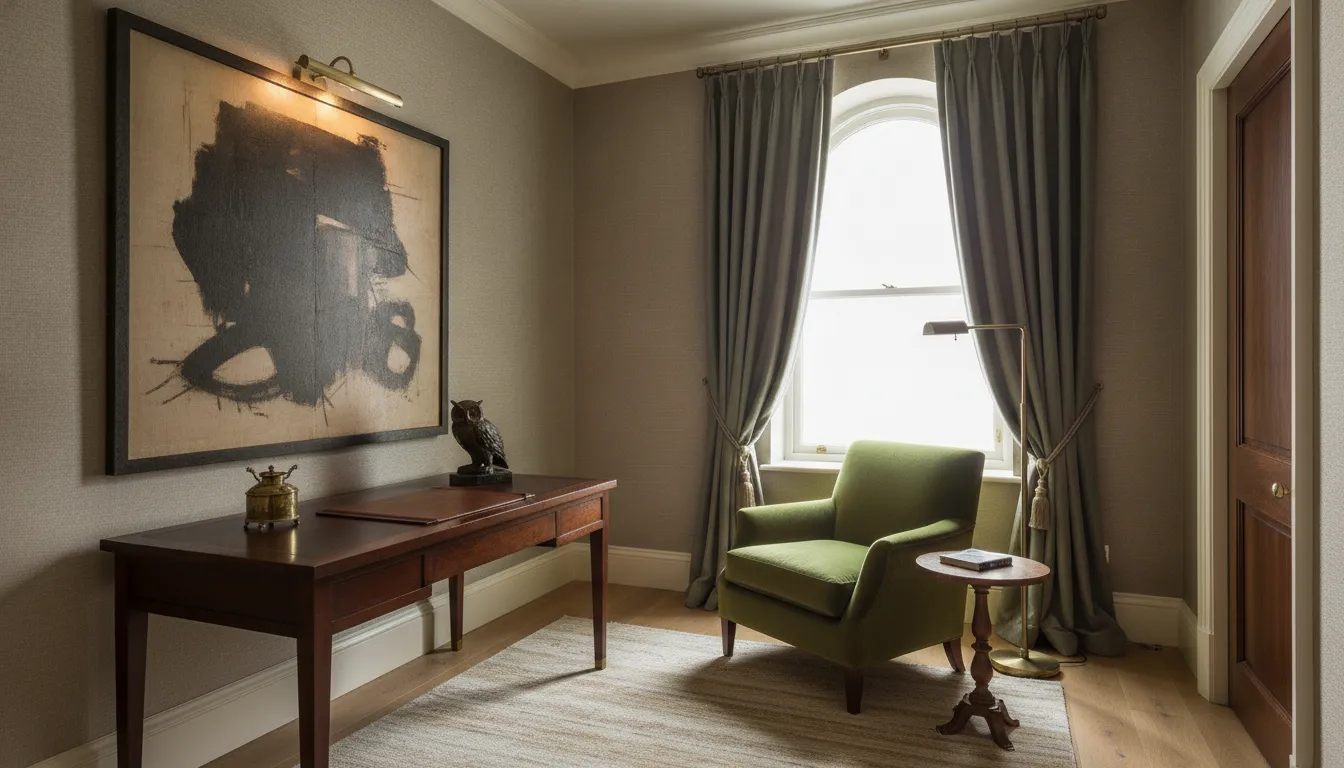
Privacy is one expectation inside this relationship, not the whole project. A high-net-worth house often has to hold family life, guests, staff, and a collection at once. If those lives share every room, the house feels watched even when it is beautiful. A homeowner should expect the designer to notice that, and to plan for it while the rest of the house is being decided.
In practice that means a public sequence that can hold a dinner without opening onto bedrooms, and a service path that does not cross the room where the family sits. It means a study door that actually closes. It also means choosing which works are for guests and which are for daily life. The placement standard does not drop in the private rooms. The audience changes.
This is a supporting decision, made with the rest of the commission. It is not a separate security system, and it is not a reason to hide the collection. A homeowner who wants only a privacy plan, with no design relationship around it, is asking for a different project.
A long design relationship versus a one-room transaction
A transaction sells a result and leaves. A relationship stays through the decisions that are boring and the ones that are hard. High-net-worth work almost always needs the second, because the house, the collection, and the household change while the project is open.
- A transaction can furnish a room from a catalogue. A relationship designs the room around a specific painting, a specific light, and a specific habit.
- A transaction ends at delivery. A relationship includes the edit after the furniture arrives, when something that looked right on paper is wrong in the room.
- A transaction optimizes for speed. A relationship accepts that custom work and a whole house take the time they take.
- A transaction can be handed to whoever is free. A relationship has a person who still knows why an earlier decision was made.
The practical difference shows up in how conflict is handled. On a long project someone will disagree about a finish, a delay, or a work of art that does not fit the wall everyone expected. The homeowner should expect that disagreement to be discussed against the original aim of the house, not smoothed over with a new option. Catherine Weinstock’s training in interior design, furniture restoration, and fine art is what that judgment rests on. It is also why the work stays on site.
None of this requires the homeowner to become a project manager. It requires them to stay the client: clear about how they live, willing to look at the house in person, and unwilling to accept a result that only works in a photograph.
When the fit is clear, the commission can be discussed properly, on the property. Request a conversation about a whole-home commission with CW DESIGN.
Frequently Asked Questions
What should a high-net-worth homeowner expect from an interior designer?
Expect one person to lead the work from the first visit through installation, and expect that person to have stood in the house. The proposal should start from the collection and daily life, not from a signature look. Scope should be explained in plain language. The finished rooms should work on an ordinary day, not only in a photograph.
How does a designer build trust with an exacting client?
Trust is built by proofs, not by a presentation. The designer looks carefully at the art already in the house and says no to a poor fit. The same lead stays on the project, and the household and any makers stay private. A pretty scheme that ignores those tests is not evidence of trust.
How is this different from a standard decorating project?
A decorating project can be a single room, a shorter timeline, and a result chosen largely from existing products. Interior design for a high-net-worth homeowner is usually the whole residence, made around a collection and a household, and it stays open through custom work and installation. The stages of that engagement are a separate subject from the relationship described here.
Should privacy be part of the design relationship?
Yes, as one part of it. Family, guests, staff, and the collection should not be forced through the same rooms. A serious designer plans the public sequence and the private rooms while the rest of the house is being decided. Privacy alone is not a full design commission.
Does CW DESIGN work remotely for homeowners outside New York?
No. The studio will travel for an interesting project, and past work has reached beyond New York, but the design itself is done on site. Catherine Weinstock visits the property before taking it on. A remote or virtual engagement is not offered.