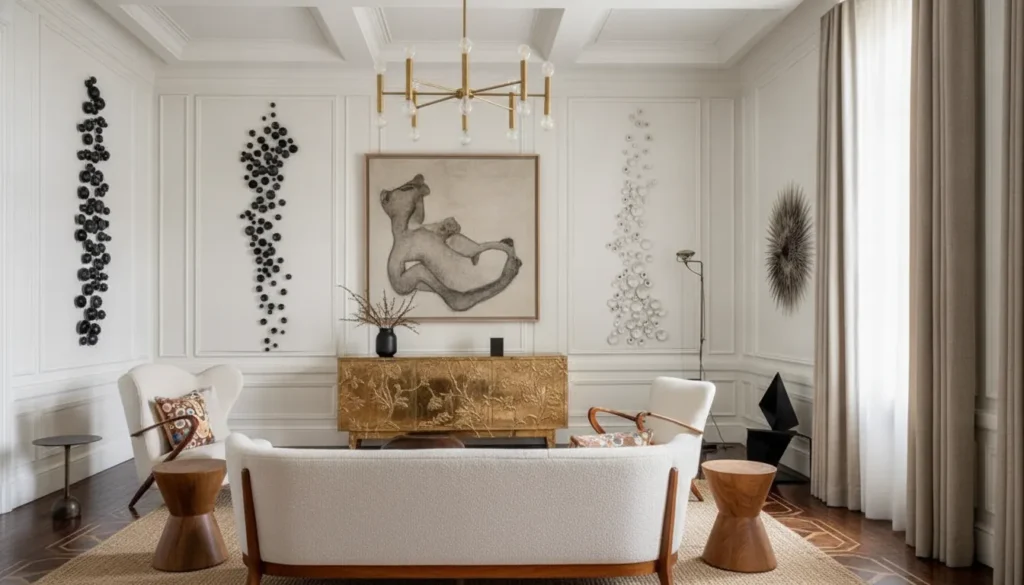
Art-oriented interior design begins with a different question: not which furniture should fill a room, but how should a collector’s eye move through the home? When art is central to a commission, the collection informs the architecture, atmosphere, circulation, materials, and pace of discovery. The result is not a gallery with domestic life added afterward. It is a personal residence in which art, craft, and daily living belong to one thoughtful composition. This collection-first perspective also connects to CW DESIGN’s timeless interior design philosophy, where enduring quality is shaped around the client’s art and life.
Discuss an art-oriented interior design commission with CW DESIGN
What art-oriented interior design means as a service category
Art-oriented interior design is a service approach for clients whose collections, connoisseurship, and way of living should shape the design brief from the beginning. It is broader than selecting artwork for a finished room and more considered than placing a few paintings above finished furniture. The designer studies the collection, the residence, and the collector’s intentions together, then develops a whole-home direction in which each decision supports the larger relationship between art and life.
That relationship can affect questions that might otherwise be treated separately. Which rooms should hold the most important works? Where should a sculpture be encountered from the entry, a staircase, or a seated position? How should a material palette create a quiet setting without becoming neutral or anonymous? Where should a custom cabinet, restored piece, or artisan-made light fixture sit so it contributes to the composition without competing with the art?
The answers are specific to the collection and the people who live with it. A residence with contemporary paintings may call for one kind of rhythm and restraint. A home containing works on paper, sculpture, historic furniture, or pieces gathered over decades may require another. Art-oriented design does not impose a visual formula. It creates a framework in which the collection can remain distinctive while the home remains warm, useful, and unmistakably personal.
This service category is also defined by scope. Serious art-led projects often involve the entire apartment or home, not a single decorative room. Architecture, lighting, furnishings, restoration, fabrication, installation, and the movement of people through the residence may need to be considered as one commission. The work is therefore best suited to collectors seeking a deeply curated, long-term engagement rather than a fast layer of decoration.
How a designer who understands fine art approaches a commission differently
A designer who understands fine art does not need to turn a residence into a museum. The deeper distinction is the quality of attention brought to the collection. The designer looks at scale, medium, condition, provenance where relevant to the brief, visual relationships, and the emotional significance of the works. Just as importantly, the designer listens for what the collection says about the collector’s history, curiosity, and habits.
The collection is studied before the room is filled
In a conventional sequence, the layout and furnishings may be substantially decided before art enters the conversation. In an art-oriented commission, that sequence is reversed. The collection becomes an early source of information. It can reveal the proportions that a room needs, the areas that should remain visually quiet, the surfaces that require care, and the sightlines that will make the experience of moving through the home feel deliberate.
This does not mean every work must be given the same prominence. A sophisticated collection has its own hierarchy, and the residence should allow that hierarchy to be felt. One work may anchor a principal room. Another may reward a closer encounter in a passage or study. A group may be understood only when two spaces are seen together. The designer’s role is to make those relationships possible without turning the home into a didactic display.
Architecture, furnishings, and art are coordinated early
When the art is considered early, design decisions become more precise. Wall construction, door positions, built-in storage, window treatments, electrical planning, and lighting coordination can be developed with the works in mind. Furniture can be kept at a proportion that protects sightlines. Finishes can be selected for their texture and depth rather than their ability to follow a current trend.
The same principle applies to custom and restored pieces. A cabinet may provide useful storage while reinforcing the character of a painting. A restored table may carry a history that gives the room greater resonance. An artisan commission may be designed to sit in conversation with a sculpture rather than compete with it. The goal is not visual sameness. It is a coherent relationship among objects with different histories and materials.
Daily life remains part of the composition
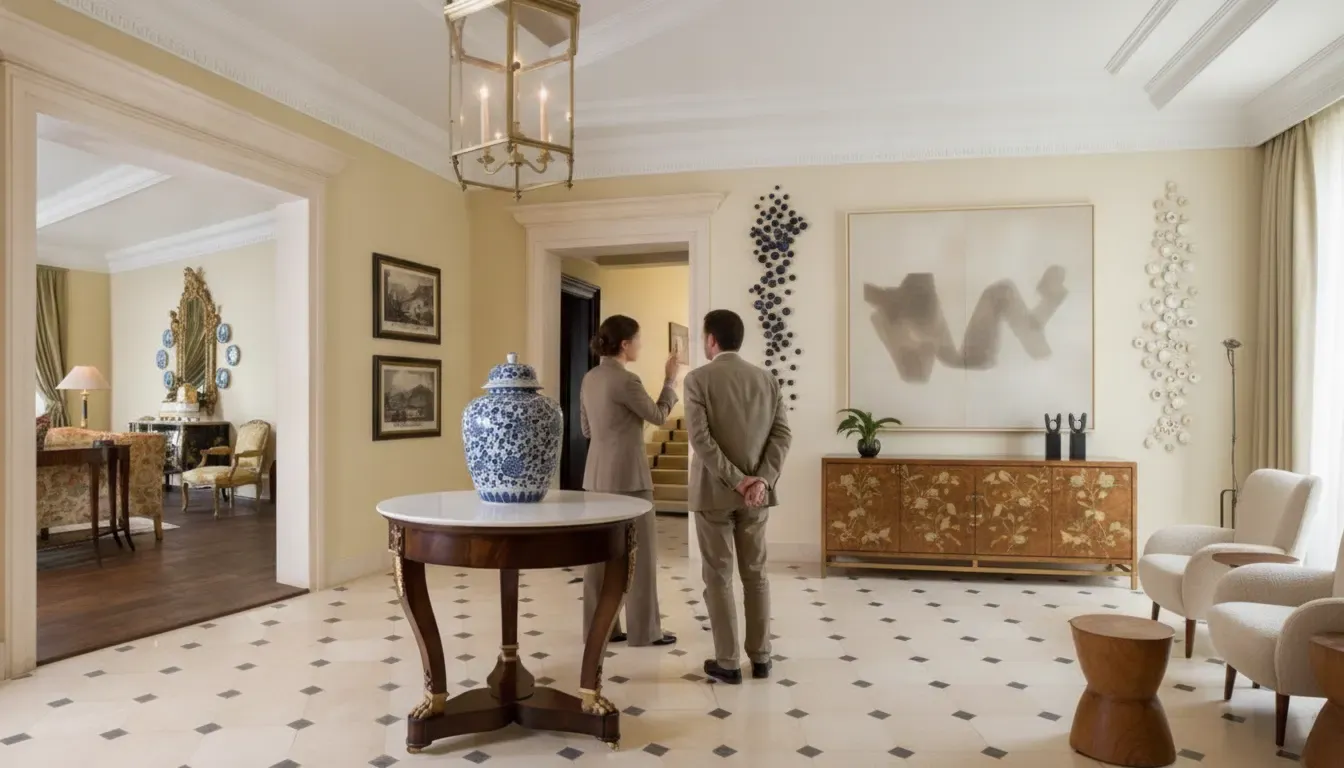
A private home must support meals, conversation, rest, guests, work, and moments of solitude. Art-oriented interior design respects those uses rather than treating them as interference. The designer considers how a room feels when it is occupied, how views unfold at different heights, and how the collection can be encountered naturally over time. The home should feel lived in, not staged for a single photograph.
This is where art knowledge and residential judgment meet. A collector may want the intensity of a gallery in one setting and the softness of a domestic room in another. A designer’s responsibility is to understand the distinction and build transitions between them. The strongest result gives the art authority while preserving comfort, warmth, and the pleasure of being at home.
How the collector’s aesthetic becomes the design brief
The collector’s aesthetic is more than a list of favorite colors or artists. It includes the pace at which the client wants to experience a space, the tension they enjoy between old and new, the materials that feel meaningful, and the stories they want their home to hold. Those preferences become useful design direction when they are translated into decisions about proportion, sequence, texture, light, and function.
From preference to principle
An effective brief moves beyond statements such as “I want a sophisticated home.” It asks what sophistication means to this collector. Does it mean restraint around a powerful painting? A layered room where historic and contemporary pieces meet? A sense of surprise as one passes from a formal entry into a more intimate room? Does the client prefer a quiet background, or do they want furniture and art to engage in a more animated dialogue?
The designer can then test those ideas against the residence. A preference for contrast may become a relationship between a dark floor and pale walls, an antique object and a contemporary work, or a tailored architectural line and an expressive textile. A preference for calm may lead to fewer, better materials and a more measured sequence of views. The design brief becomes a set of principles that can guide hundreds of choices without flattening the home into a formula.
Questions that clarify an art-led brief
- Which works are essential to the experience of the home, and which can move or rotate over time?
- What kinds of dialogue does the collector value between artworks, objects, architecture, and furnishings?
- How should the home balance private viewing, entertaining, family life, and quiet daily rituals?
- Which materials, periods, makers, and forms feel connected to the collector’s history?
- Where should the residence offer visual surprise, and where should it offer rest?
These questions are not a questionnaire to complete once and file away. They become part of an ongoing conversation during design development, sourcing, fabrication, and installation. A collection can also change, and a good brief leaves room for future acquisitions, loans, relocations, and new relationships among the works.
Request a private conversation about a collection-first residence
Why art-oriented design requires multidisciplinary training
Art-oriented interior design draws on more than one discipline. The designer needs residential planning and material judgment, but also an informed relationship to fine art, furniture, restoration, fabrication, and the practical realities of bringing valuable or delicate objects into a home. These areas do not replace one another. They make the design conversation more exact.
Catherine Weinstock’s training across interior design, furniture restoration, and fine arts informs the way CW DESIGN approaches this work. That combination encourages close looking. It supports an appreciation for how an object was made, how it has aged, what makes it compelling, and how it might sit within a room without losing its character. European study and relationships with master artisans further support a practice grounded in craftsmanship rather than fast-moving decoration.
Multidisciplinary training also helps the designer ask better questions of the wider project team. Architects, galleries, conservators, fabricators, lighting specialists, installers, and contractors may all contribute to an art-oriented residence. The interior designer must understand enough of each conversation to protect the design intent and keep the home coherent as the work moves from concept to completion.
The aim is not to claim expertise in every specialist field. It is to know when a question requires another expert, to coordinate that expertise carefully, and to keep the collector’s experience at the center. This is one reason a whole-home art-led commission rewards patience, clear communication, and a design practice capable of sustained attention.
How to identify a designer whose work is genuinely oriented around art
The phrase art-oriented can describe a genuine service model, or it can simply be a flattering description applied to a portfolio with attractive paintings. A collector evaluating a designer should look for evidence in the process, not only in finished photographs.
Questions worth asking before a commission
- At what point in the process does the designer study the collection?
- Can the designer explain how a specific artwork affected the plan, palette, materials, or circulation of a project?
- How does the practice coordinate with galleries, conservators, installers, architects, and craftspeople when needed?
- Does the designer discuss the experience of living with the collection, rather than only its visual presentation?
- Can the practice show how its work remains personal and timeless instead of following a recognizable trend package?
- Will the principal designer remain engaged in the important decisions of a whole-home commission?
The answers should be concrete. A designer may describe a collection-first process, but the portfolio and conversation should show how that process changes outcomes. Look for rooms where art has shaped the architecture and atmosphere, yet the result still feels like a residence. Look for thoughtful transitions, considered materials, and evidence that the work was made for a particular client rather than assembled from a repeatable template.
The importance of fit and capacity
Art-oriented work is personal and collaborative. The collector is not handing over a style brief and receiving a finished image. The designer needs to understand the client’s eye, routines, references, and expectations of quality. The client also needs to understand how the studio works, where decisions are made, and whether the practice has the capacity to give the project sustained attention.
CW DESIGN is intentionally selective about engagements. That limited capacity supports a model centered on serious, art-oriented projects requiring detail and curation. For a collector considering a large apartment or whole-home commission, the right fit is not the firm with the most formulaic output. It is the practice whose judgment, training, collaborators, and working rhythm can support the residence for the duration of the work.
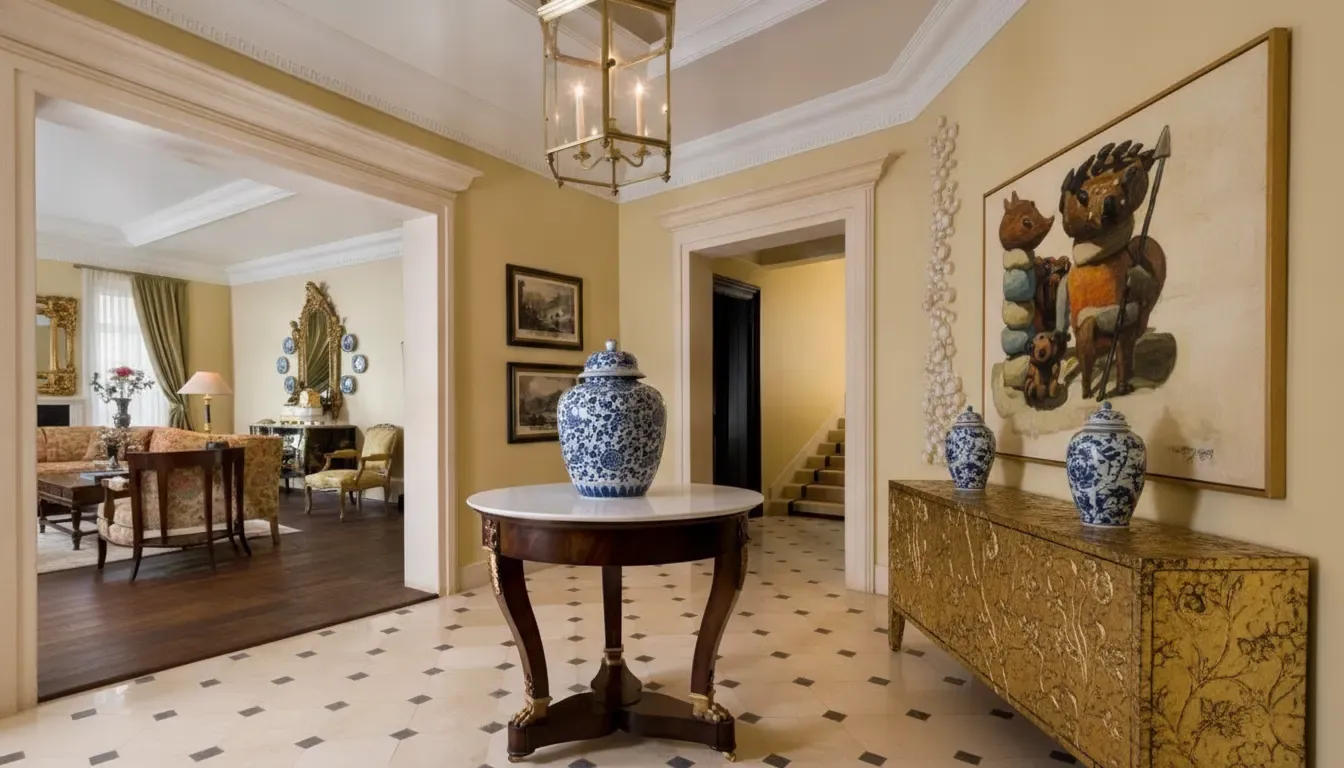
Frequently Asked Questions
Contact CW DESIGN to explore an art-oriented interior design commission
What is art-oriented interior design?
Art-oriented interior design is a collection-first approach in which a client’s art, aesthetic, and way of living inform the residence from the earliest stages. Architecture, circulation, lighting, furnishings, materials, and installation are coordinated so the home supports the collection without becoming a sterile gallery.
How is art-oriented design different from adding art at the end?
When art is added at the end, the room may already have fixed walls, lighting, furniture, and sightlines. An art-oriented commission considers the collection earlier, allowing the design to respond to scale, medium, relationships among works, and the collector’s preferred experience of the home.
Does an art-oriented home need to look like a museum?
No. The purpose is to create a residence, not a public gallery. A successful art-oriented home makes room for comfort, conversation, entertaining, and daily life while giving the collection thoughtful presence and meaningful relationships throughout the space.
What should a collector ask an interior designer?
Ask how the designer studies the collection, how art affects the plan and material palette, which specialists are involved when needed, and how the practice balances display with daily living. Review whether the portfolio shows individual judgment rather than a repeated decorative formula.
Why does multidisciplinary training matter?
Fine-art understanding, interior planning, furniture knowledge, restoration awareness, and craft coordination help a designer make more informed decisions. The disciplines work together to create a home in which artworks, architecture, objects, and daily life remain in conversation.
For a broader look at how enduring quality, bespoke materials, and a collection-first point of view support a home across generations, read CW DESIGN’s timeless interior design philosophy. To understand the studio’s wider working approach, explore the CW DESIGN approach or learn about Catherine Weinstock.
Pingback: Antique Furniture Restoration New York: Heritage Guide – CW DESIGN