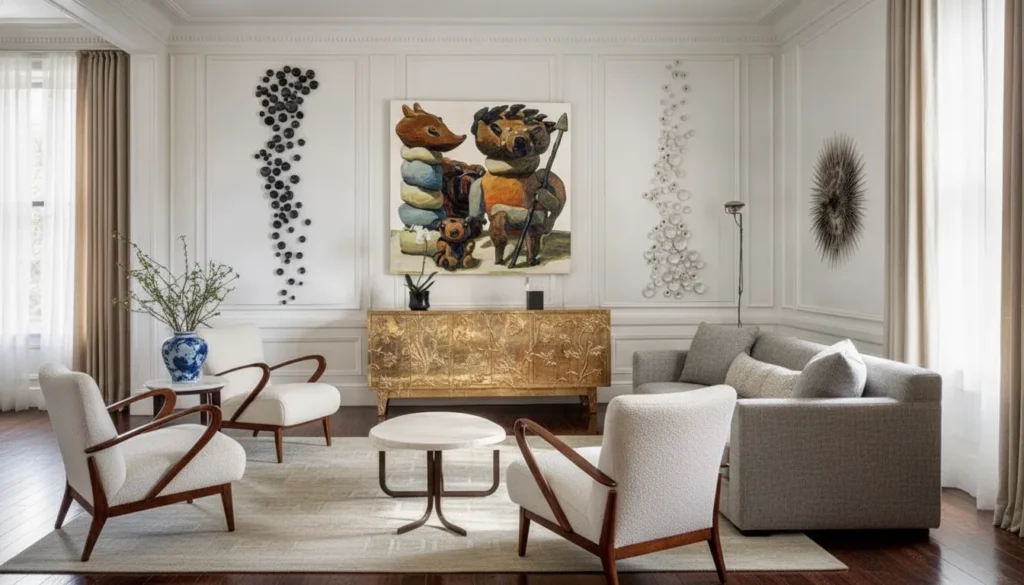
For a complex New York residence, the most important distinction between a boutique practice and a larger studio is not size alone. It is how the firm organizes creative direction, communication, specialist collaboration, and responsibility across a project in which architecture, furnishings, and art must belong together.
For clients comparing boutique interior design firms new york, the right choice depends on project fit. Consider who will lead the work and how decisions will be made. Then assess whether the firm’s expertise and operating model support a bespoke whole-home engagement.
CW DESIGN approaches residential work through discovery, collection-first thinking, custom fabrication, renovation coordination, and installation. That model offers a useful lens for understanding what a boutique firm may do differently while keeping the comparison grounded in the needs of the commission rather than a simple small-versus-large verdict.
Discuss your potential bespoke project with CW DESIGN through the contact page.
What Makes a Boutique Design Firm Different from a Large Studio?
The distinction between a boutique practice and a large studio is primarily an operating model, not a simple measure of quality. A boutique firm may place the principal closer to discovery, creative direction, and key decisions, while a larger studio may distribute responsibility across a broader team. Either structure can be appropriate. The important question is whether the way the firm works matches the complexity, scale, and level of personal involvement your project requires.
For a residence shaped by an art collection, inherited furniture, architectural work, and custom fabrication. Ask who will interpret the brief and who will remain accountable as decisions move from concept to installation. At CW DESIGN, Catherine Weinstock’s multidisciplinary background in interior design, furniture restoration, and fine arts informs an approach in which creative direction and material judgment are closely connected. That is one documented model, not a universal definition of boutique design.
| Consideration | Boutique practice | Large studio |
|---|---|---|
| Decision ownership | Often concentrated among the principal and a close senior team. | May be shared across principals, project leaders, and specialist departments. |
| Principal involvement | May extend directly through discovery and major creative decisions. | May vary by project, with the principal overseeing a wider organization. |
| Collaborators | Specialists may be assembled according to the commission’s needs. | Broader in-house or established team resources may be available. |
| Communication | Can follow a more direct path, depending on the firm’s structure. | May pass through defined project-management and departmental channels. |
| Best-fit conditions | May suit clients who value close creative continuity and a focused relationship. | May suit projects that require a broader coordinated team or departmental resources. |
These differences should prompt precise questions rather than assumptions. Who leads the first conversation? Who approves the relationship between artwork, architecture, and furnishings? Which decisions remain with the principal, and which are delegated? How are outside architects, artisans, contractors, and fabricators coordinated? A firm of any size should be able to explain its structure clearly. The right choice is the one whose decision-making, communication, and capabilities align with the work itself.
Why Can Continuity Matter in a Complex Bespoke Commission?
Continuity is worth examining when a project involves more than selecting furnishings. A whole-home commission may bring together an existing art collection, architectural decisions, restored or antique furniture, custom fabrication, lighting, and the practical demands of installation. In that setting, a client should understand who will hold the creative thread, make decisions, and communicate the reasoning behind them from one phase to the next.
One useful question is how directly the principal or creative lead will remain involved. Will the person who understands the client’s habits, personal narrative, and collection also guide the major design decisions later in the process? The answer may differ among boutique interior design firms in New York and larger studios, and firm size alone does not settle the question. The important issue is whether the proposed structure gives the project a clear point of creative accountability.
Begin with the client’s narrative and collection
Discovery should move beyond a preferred color palette or a collection of reference images. For an art-oriented home, the designer needs to understand why particular works matter, how they relate to one another, and how the client wants to live among them. CW DESIGN describes an art-centric approach in which artwork is not placed at the end of a project. It can establish the direction for proportion, materiality, light, circulation, and the relationships between pieces throughout the home. Ask how that understanding will be recorded and carried into later drawings, sourcing, and installation decisions.
Test the handoff between design and delivery
Custom work and renovation coordination introduce additional points where continuity matters. A client can ask who will translate the design into specifications, coordinate with architects and fabricators. Review materials, resolve site questions, and protect the original intent when conditions change. The documented CW DESIGN model extends from concept through sourcing, fabrication coordination, and final installation. Its scope of a whole-home commission offers useful context for the number of decisions that may need to stay aligned.
Communication is part of that alignment, not an administrative detail. Before engaging a firm, clarify the regular points of contact, how decisions are documented, which collaborators will participate, and how on-site coordination is handled. A larger studio may be the right fit when a project calls for broader departmental resources or a substantial coordinated team. A boutique practice may suit a client who values a more concentrated creative relationship. The sound choice depends on the project’s complexity, the firm’s capabilities, and the accountability structure presented at the outset.

What Is the Trade-Off Between Capacity and Exclusivity?
Selective capacity can shape the practical experience of an interior design engagement, but it should be understood as a question of fit rather than a badge of superiority. CW DESIGN’s contact page notes that it has “limited room for engagements.” For a prospective client. That statement is useful context: the right project may depend on timing, scope, and whether the practice has the attention available for the work being considered.
Timing is part of the conversation
A bespoke residential commission may involve discovery, design development, sourcing, custom fabrication, renovation coordination, and installation. A major renovation can extend over multiple years, although that duration does not apply to every project. Before moving forward, ask how the proposed start window relates to the firm’s current commitments. What decisions need to happen first, and whether the expected pace suits the property’s needs. An honest discussion about availability is more useful than assuming that a selective practice can begin immediately.
Scope affects the level of attention required
Capacity is not only a matter of calendar space. It also relates to the complexity of the commission. A whole-home project involving an existing art collection, antique or collectible furniture, custom furnishings, architectural coordination, and installation may require sustained communication across many decisions. A smaller or more focused brief may call for a different operating rhythm. The relevant question is whether the design firm’s way of working can accommodate the project’s actual depth, not whether the firm is boutique or large in name.
Ask what exclusivity means in practice
Prospective clients should clarify who will lead the creative work, who will make day-to-day decisions, how communication will be handled, and which collaborators will be involved. They should also ask whether the firm works on-site, how existing artwork and furnishings enter the discovery process, and what happens if the scope changes. These questions establish expectations without presuming guaranteed access or a particular outcome.
For some clients, limited room for engagements may align with a desire for a carefully considered, highly personal commission. For others, a larger studio’s broader team structure may better match the project’s timing or organizational requirements. The sound decision comes from comparing the project’s demands with the firm’s availability, leadership model, and capacity to sustain the work from concept through completion.
How Do You Choose a Boutique Interior Design Firm in New York for Your Project?
The right firm is not determined by size alone. It is determined by whether the practice can understand the character of your home, take responsibility for the decisions that matter, and coordinate the expertise your project requires. For an art-filled loft, townhouse, or full apartment renovation, assess the working relationship as carefully as the portfolio.
- Can the firm define the scope your property actually requires? Ask whether the engagement extends beyond selecting furnishings. A substantial New York project may involve layouts, lighting, cabinetry, finishes, sourcing, renovation coordination, fabrication, and installation. Ask who handles each responsibility, which outside professionals are involved, and where the designer’s role begins and ends. A firm’s answer should reflect your property’s existing conditions and ambitions, not a generic package.
- How will your art collection shape the design? If artwork, antiques, or collectible furniture are central to your life, ask when they enter the process. The strongest fit will discuss how scale, sightlines, light, circulation, materials, and the relationships among individual works influence the rooms. CW DESIGN describes an art-centric approach to design in which artwork is considered at the beginning rather than added after the interiors are resolved.
- What custom work or restoration does the project call for? Ask how the firm evaluates existing furniture, develops bespoke pieces, and works with craftspeople or fabricators. Clarify who reviews drawings, samples, finishes, and shop work. This is especially important when the project depends on proportion, materiality, or the careful adaptation of an heirloom rather than off-the-shelf solutions.
- Who owns decisions during renovation and installation? Identify the person responsible for translating the design into action and coordinating with architects, engineers, contractors, conservators, and other collaborators. Effective coordination and communication are essential when multiple parties share responsibility. A documented example of this kind of complexity is the Brooklyn townhouse renovation, which included systems upgrades, facade restoration, a structural extension, skylight integration, and landmark-preservation coordination.
- Will the design team be present where the work is happening? Ask how site visits, field decisions, installation, and final placement are handled. For a practice that works on-site, presence is part of understanding the architecture and the way the rooms develop. Also ask which decisions remain with the principal, which are delegated, and how you will be informed when conditions change.
- Does the firm’s communication model suit your decision-making style? Establish how recommendations are presented, how approvals are recorded, and how questions move between you, the design team, and collaborators. Review a relevant project such as the Tribeca loft project, then ask what aspects of its scale or complexity resemble your own. The goal is not to find the largest or smallest firm, but the one whose process, expertise, and availability align with the commission.
What Should You Expect from a Boutique New York Design Engagement?
The first stage is an inquiry about the property, the people who will live there, the character of the commission, and the kind of guidance it requires. Fit matters. A serious conversation should clarify whether the project involves an apartment, townhouse, loft, or larger residence. Whether existing art, antiques, or furniture will shape the work, and who needs to participate in decisions. It should also establish who will lead the design and how communication will be handled.
Discovery is conducted on-site. CW DESIGN does not offer remote interior design. Visiting the space allows the designer to understand its proportions, light, architecture, circulation, existing conditions, and the relationship between the rooms and the collection. That firsthand understanding informs the concept rather than treating the home as a set of photographs or measurements.
From concept to a resolved interior
Once the direction is established, concept development may address layouts, architectural character, materials, lighting, furnishings, and the placement of art. The design is then developed through considered sourcing, including vintage or antique pieces, bespoke furnishings, finishes, and objects selected for their relationship to the whole. Where a project calls for it, custom fabrication and furniture restoration become part of the design conversation.
Architectural coordination is another important expectation. A boutique practice may work with architects, engineers, contractors, fabricators, conservators, and other specialists rather than performing every technical role itself. Clear responsibilities and communication keep the creative intention connected to the practical work of renovation. In New York, the documented scope of interior design can include layouts, specifications, furniture, fixtures, cabinetry, and lighting, while architecture and engineering remain distinct professional disciplines. New York’s service guidance describes these boundaries.
The final phases bring the design into the home through procurement, coordination, placement, and installation. The level of involvement should be discussed at the outset, including how the designer will manage details as pieces arrive and how the completed rooms will be resolved. A large-scale residential project illustrates how bespoke elements can be coordinated across an extensive interior without reducing the work to a single decorating pass.
Duration is project-specific. A focused furnishing engagement and a substantial renovation do not follow the same calendar, and major renovations may extend over multiple years. The appropriate expectation is a scope-led plan shaped by the property, decisions, fabrication, construction, and installation, not a generic promise about how long every boutique engagement should take.
Discuss your potential bespoke project with CW DESIGN through the contact page.
Frequently Asked Questions
Is a boutique interior design firm suitable for a complex New York renovation?
It can be, when the practice has relevant experience, dependable collaborators, and a clear way to coordinate design, architecture, fabrication, and installation. The important question is not firm size alone, but whether the team can take responsibility for the project’s actual complexity.
How does a boutique firm differ from a larger interior design studio?
The difference usually concerns operating model, decision paths, and who leads the work day to day. Ask whether the principal remains directly involved, who approves design decisions, and how communication moves between the client, consultants, vendors, and site team. A larger studio may also be the right fit when a project requires broader departmental resources.
What should New York clients ask about a firm’s capacity?
Ask how many active commissions the relevant design team is managing, who will be available during key decisions, and whether the proposed schedule matches the project’s scope. For a long renovation or art-led commission, continuity and realistic availability matter as much as creative alignment.
How can I assess whether a boutique firm understands an art-led home?
Discuss how the designer studies the collection, architecture, furnishings, and daily life together. Ask how existing works, antiques, custom pieces, conservation needs, and installation will influence the design from the beginning. The answer should describe a practical discovery and coordination process, not simply promise that art will be added later.
A bespoke New York residence benefits from a considered conversation about the home, the collection, the scope of work, and the kind of creative continuity the commission requires. If the approach described here feels aligned with your expectations for on-site design and thoughtful collaboration, you can begin by sharing the essentials of your project.
Pingback: Interior Design High-Net-Worth Homeowners Guide – CW DESIGN