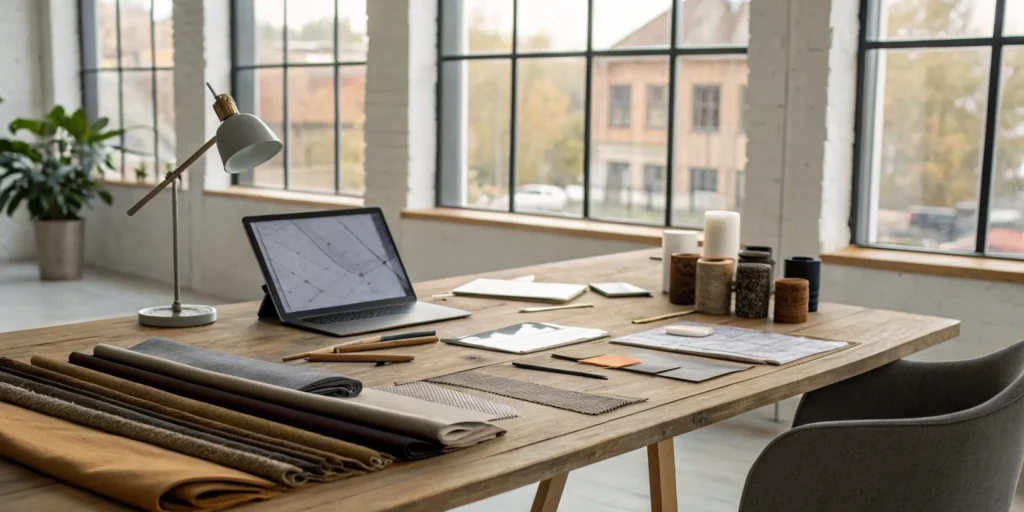
We’ve all been there. You find a sofa you love, but it’s two inches too long for the wall. Or you need a bookcase for an awkward corner, but nothing off the shelf fits the unique dimensions. These frustrations are why custom furniture exists. It’s the definitive solution for creating a space that feels intentional and perfectly resolved. Instead of compromising your vision to fit what’s available, you can commission a piece designed to the exact millimeter for your room. This is where the search for a ‘custom furniture maker near me’ becomes so powerful. It connects you with a problem-solver, an artisan who can craft a beautiful, functional piece that not only fits your space but enhances it, turning a design challenge into a stunning feature.
Key Takeaways
- View Custom Furniture as an Investment, Not an Expense: The higher initial cost provides lasting value through superior materials, a perfect fit for your space, and a design that is uniquely yours. You are paying for a future heirloom, not a temporary solution.
- Choose Your Maker as a Creative Partner: Finding the right artisan is about more than just their portfolio; it’s about finding a collaborator. Prioritize clear communication and proven craftsmanship, and lean on your interior designer for trusted referrals.
- Your Vision Drives the Process: The best custom pieces come from a true partnership. Be prepared to share your ideas, functional needs, and budget openly so your designer can translate them into a beautiful, tangible result.
Why Invest in Custom Furniture?
Choosing furniture for your home is about more than just filling a room; it’s about curating an environment that tells your story. While retail options are plentiful, they often require you to compromise on size, material, or style. Investing in custom furniture, however, allows you to create pieces that are a true reflection of your taste and a perfect fit for your space. It’s a collaboration between your vision, your designer’s expertise, and an artisan’s skill, resulting in something truly one-of-a-kind.
This approach moves beyond simple decoration and into the realm of personal expression, ensuring your home is not only beautiful but also deeply and authentically yours. Instead of settling for a piece that is “good enough,” you can commission something that is exactly right. This is where true luxury lies: in the details, the craftsmanship, and the story behind the object. When you invest in a custom piece, you are not just buying an item; you are commissioning a work of art that will become an integral part of your life and home for years to come. It’s a statement of quality, individuality, and thoughtful design.
Create a Truly Personal Piece
Custom furniture transforms your home from a well-decorated space into a deeply personal sanctuary. Instead of choosing from a catalog, you get to be part of the creative process, ensuring the final piece is imbued with your personality. It’s an opportunity to create something that doesn’t just fit your room, but fits your life. By blending traditional craftsmanship with modern techniques, artisans can bring any vision to life, whether it’s a dining table that will host generations of family dinners or a chair that perfectly captures your aesthetic. This approach aligns with our philosophy of weaving together diverse elements to create environments that are both timeless and distinctly yours.
Choose Quality Materials and Craftsmanship
One of the most compelling reasons to opt for custom furniture is the exceptional quality. Unlike mass-produced items that often prioritize cost over durability, bespoke pieces are built to last. You have complete control over the materials, from selecting the perfect slab of marble or a specific wood grain to choosing fabrics and finishes that stand the test of time. According to Stacie Edwards Design, “Custom furniture is made with high-quality craftsmanship and more durable materials.” This commitment to quality means you’re not just buying a piece of furniture; you’re investing in a future heirloom that carries both functional and sentimental value.
Get a Perfect Fit for Your Space
Have you ever found a piece of furniture you loved, only to realize it’s a few inches too wide or too short for your room? Custom furniture eliminates this problem entirely. As the design firm Walsh Blanc notes, a key advantage is its ability to fit seamlessly into your space. Whether you’re working with the grand proportions of a Tribeca loft or the unique architectural details of a historic Brooklyn brownstone, a custom piece is designed to your exact specifications. This ensures every curve, line, and dimension is in perfect harmony with its surroundings, creating a balanced and cohesive look that feels intentional and effortlessly elegant.
Support Sustainable, Thoughtful Design
Choosing custom furniture is also a more sustainable and conscious way to furnish your home. It’s a direct move away from the “fast furniture” industry, which contributes to waste and deforestation. When you commission a piece, you can insist on using responsibly sourced materials, such as reclaimed wood or timber from certified forests. For example, some makers are committed to responsible forestry and use wood from sustainable sources. By investing in a single, high-quality piece that will last for decades, you are making a thoughtful choice that minimizes your environmental impact and supports the tradition of skilled craftsmanship.
Common Myths About Custom Furniture
The idea of a piece of furniture made just for you is exciting, but a few common misconceptions can hold people back from exploring it. If you’ve ever hesitated to commission a piece because of worries about cost, timelines, or exclusivity, let’s clear the air. Understanding the truth behind these myths is the first step toward creating a home that is uniquely and beautifully yours. The process is about collaboration and artistry, resulting in something that tells your story.
Myth: “It’s always more expensive.”
Let’s get this one out of the way first. Many people hear “custom” and immediately think “expensive.” While a bespoke piece is an investment, it doesn’t automatically come with an outrageous price tag. The final cost is a direct reflection of the materials you choose, the complexity of the design, and the artisan’s skill. You can often work with a designer to create a piece that fits your budget. Think of it less as an expense and more as a value proposition; you’re paying for superior quality and a perfect fit that you simply can’t find in a big-box store.
Myth: “The wait time is too long.”
Patience is a virtue, but no one wants to wait forever for a sofa. Another common worry is that ordering custom furniture means staring at an empty space for months on end. While it’s true that good craftsmanship takes time, the wait is often more reasonable than you might think. A skilled maker can often complete a project in a manageable timeframe, depending on their workload and how intricate your design is. This process ensures every detail is perfect, resulting in a piece built to last for generations, not just a season. The wait is part of creating something truly special.
Myth: “It’s only for ultra-luxury homes.”
This might be the biggest myth of all. Custom furniture isn’t reserved for sprawling mansions or penthouse apartments; it’s for anyone who values a home that truly reflects their personality and lifestyle. The beauty of custom work is its adaptability. A piece can be designed to fit a variety of budgets and styles, making it an accessible form of personal expression. Whether you need a uniquely shaped bookcase for a cozy Brooklyn brownstone or a statement dining table for your Tribeca loft, the goal is to create something that perfectly suits your space. It’s less about extravagance and more about thoughtful, personal design.
How to Find the Right Furniture Maker
Finding the right artisan to bring your vision to life is just as important as the design itself. It’s a search for a creative partner, someone whose skill and sensibility align with your own. The process is a rewarding mix of digital discovery and trusted, personal connections. Whether you’re commissioning a single statement piece or a full suite of furniture, these steps will help you find a maker who can translate your ideas into a beautiful, tangible reality. Think of it as the beginning of a collaboration that will result in a piece you’ll cherish for years to come.
Start Your Search Online
The internet is a fantastic starting point for casting a wide net. Begin with specific search terms like “bespoke furniture maker Brooklyn” or “custom dining table London” to find local artisans. As you browse their websites and social media profiles, you’ll get an immediate sense of their aesthetic and style. The global customized furniture market is expanding, which means there is a rich and diverse pool of talented makers to discover. Don’t just look at photos of finished pieces; pay attention to their process, the materials they favor, and the stories they tell about their work. This initial online exploration helps you create a shortlist of potential partners.
Consult Design Communities and Directories
Once you have a general idea of what you’re looking for, specialized online platforms can help you refine your search. Websites like Houzz and 1stDibs are curated directories where you can browse portfolios, read client reviews, and connect directly with furniture makers. These communities are valuable for seeing a maker’s work in the context of real homes. They can also help you set a realistic budget, as data shows the average cost for custom furniture can vary widely based on complexity and materials. Use these platforms to compare different styles and gather inspiration for your own piece.
Ask Your Interior Designer for a Referral
This is often the most direct and reliable path to finding an exceptional furniture maker. An experienced interior designer cultivates a network of trusted artisans and craftspeople over many years. At CW DESIGN, we know their strengths, their specialties, and their commitment to quality firsthand. A designer can match you with a maker whose skills are perfectly suited to your project’s unique requirements. One of the key advantages of custom furniture is its ability to fit your space perfectly, and a designer’s referral ensures you’re working with someone who can deliver that seamless result. This connection saves you time and provides peace of mind.
What to Look For in a Furniture Maker
Once you have a shortlist of potential furniture makers, the real work begins. Finding the right artisan is about more than just admiring their portfolio; it’s about finding a creative partner who understands your vision and has the skill to bring it to life. This is a collaborative process, and you want to ensure the person you choose is not only a talented craftsperson but also a great communicator and a reliable professional. Think of it as hiring a key member of your personal design team.
Before you commit, it’s important to do your homework. A beautiful piece of furniture is an investment that should last a lifetime, so you want to feel confident in your choice. This means looking closely at their past work, understanding their creative process, and clarifying all the practical details upfront. By asking the right questions and knowing what to look for, you can find a maker who will create a piece that is not only beautiful but also a perfect reflection of your style and home. Let’s walk through the key areas to focus on during your evaluation.
Review Their Portfolio and Style
A furniture maker’s portfolio is their visual resume, and it’s the best place to start your assessment. As you browse their work, pay attention to their overall aesthetic. Does it lean modern, traditional, or somewhere in between? Each artisan has a unique point of view, so look for a style that resonates with you and complements your existing space. While you want to see a high level of quality across all their projects, you also want to find a maker whose creative voice aligns with your own. A great partnership starts with a shared vision, and their portfolio will tell you if you’re on the same page. Our own design philosophy at CW DESIGN is built on a multidisciplinary approach, weaving together diverse elements to create something truly unique.
Assess Their Craftsmanship and Experience
True craftsmanship is in the details. Beyond the overall design, look closely at the construction and finish of the pieces in their portfolio. Are the lines clean? Do the joints look seamless? The quality of the materials and the skill of the maker are what transform a good design into an heirloom piece. An experienced artisan will not only have a mastery of their craft but will also be able to guide you in selecting the best materials for your project. Don’t hesitate to ask about their experience, their techniques, and the types of woodworking joints they prefer. Their answers will reveal their passion and expertise, giving you confidence in their ability to deliver exceptional quality.
Understand Their Process and Communication
Creating a custom piece of furniture is a journey, and you want a guide you can trust. A great furniture maker will have a clear, transparent process and will be an excellent communicator every step of the way. Ask them to walk you through their typical workflow, from the initial concept and sketches to the final delivery. How do they handle client feedback and revisions? How often can you expect updates? The goal is to understand how they work and to ensure it aligns with your expectations. A successful project depends on a strong partnership, and that foundation is built on clear, consistent communication and collaboration.
Clarify Timelines and Project Management
Handcrafted furniture takes time, and it’s important to have realistic expectations from the start. Many sought-after artisans book projects months in advance. When you first connect, ask about their current lead time and what a realistic timeline for your specific piece would be. A professional maker should be able to provide a clear schedule with key milestones, such as design approval and completion dates. It’s also wise to discuss how they handle project management, including any potential delays. Getting these details in writing helps ensure everyone is on the same page and that your project progresses smoothly, much like any other home renovation project.
Know the Green Flags (and Red Flags)
As you speak with different makers, pay attention to your intuition. A great potential partner will show genuine enthusiasm for your project, answer your questions thoroughly, and be transparent about their pricing and process. These are all green flags. They should be proud to share testimonials or show you their workshop. On the other hand, be cautious of red flags like vague answers, high-pressure sales tactics, or a reluctance to provide clear details. If communication feels difficult from the beginning, it’s unlikely to improve. A true professional will help you understand the value in their work, demystifying the idea that custom always means an astronomical cost and instead focusing on the quality and longevity you receive.
What Does Custom Furniture Cost?
Let’s talk about one of the most practical questions when commissioning a bespoke piece: the price. Thinking about custom furniture as a simple purchase is a bit like comparing a fine art painting to a poster print. You are not just buying an object; you are investing in a collaborative design process, unparalleled craftsmanship, and a piece that will live in your home for generations. The cost reflects the skill of the artisan, the quality of the materials, and the time it takes to create something truly unique to you and your space.
While the price tag is higher than off-the-shelf options, the value is in the longevity and perfect fit. A custom piece is designed to solve a specific problem, whether that’s fitting an unusual architectural nook or creating a dining table that perfectly accommodates your family. The final cost can vary widely, but understanding what goes into the price helps you see the full picture. It’s a story of materials, artistry, and function coming together. When you work with a design partner, they can help you manage these factors to create a piece that honors both your vision and your budget.
Typical Price Ranges by Piece
Pinpointing an exact price for custom work is tricky because every project is different. However, looking at general averages can give you a starting point. Studies show the cost for a custom piece often begins around $1,200 and can go up to $4,500 or much more, depending on the item. A small, handcrafted side table will naturally fall on the lower end of the spectrum, while a large, intricate bookcase or a ten-person dining table made from rare wood will command a higher price. Think of these numbers not as fixed costs but as a broad framework to help you begin the conversation with a furniture maker or your interior designer.
Factors That Influence the Final Price
Several key elements determine the final cost of your furniture. The most significant is the choice of materials. Solid hardwoods like walnut and white oak are more expensive than veneers, just as imported marble or hand-forged metal will impact the budget. The complexity of the design also plays a huge role. A piece with intricate joinery, detailed carvings, or curved surfaces requires more time and a higher level of skill than a simple, linear design. Finally, the overall size and the specific finishes, from hand-applied oils to high-gloss lacquers, contribute to the total investment required to create a piece that fits your space perfectly.
How to Budget for a Custom Piece
When planning for a custom piece, it helps to think of it as a long-term investment in your home. Unlike mass-produced items that may need replacing after a few years, a well-made bespoke piece is built to last a lifetime. The best first step is to be open with your designer or artisan about your budget. A transparent conversation allows them to guide you toward materials and design details that align with your financial goals without compromising on quality. A skilled design partner can be your greatest asset here, helping you balance aesthetics and cost to ensure the final result is something you absolutely love.
Bringing Your Vision to Life with a Design Partner
Finding the right artisan is the first step. The next, and arguably most exciting, is the process of working together to turn your idea into a beautiful, tangible piece of furniture. This isn’t a simple purchase; it’s a creative partnership. A great furniture maker or designer acts as both a guide and a collaborator, translating your personal style and functional needs into a work of art that will live in your home for years to come. The goal is to create something that feels uniquely yours because, in every sense, it is.
The Collaborative Design Process
The journey to a custom piece is a conversation. You bring the vision, lifestyle needs, and personal taste; your design partner brings the expertise in materials, construction, and aesthetics. A skilled maker will invite you to be an active participant, from reviewing initial sketches to feeling the texture of wood samples and selecting the final hardware. This collaborative spirit is where a designer with a multidisciplinary background truly shines, weaving together different elements to create a cohesive result. It’s a process built on trust and shared creativity, ensuring the piece not only meets your practical requirements but also captures the exact feeling you want for your space.
From Concept to Creation
So, what does this partnership look like in practice? It typically begins with an in-depth consultation to discuss your goals. From there, your designer will develop initial concepts, often through sketches or digital renderings, to give you a visual starting point. Once a direction is chosen, you’ll move into selecting the specific materials, finishes, and details that will make the piece your own. Clear communication is vital here. Don’t hesitate to ask questions and provide honest feedback. This ensures the final product not only meets your expectations but also fits seamlessly into your space, creating a sense of harmony with your existing decor.
Frequently Asked Questions
Is custom furniture a better investment than high-end retail furniture? Think of it this way: high-end retail furniture offers you a beautiful, well-made product, but a custom piece offers you a story and a perfect solution. While both can be investments in quality, a bespoke piece is crafted to your exact dimensions, material preferences, and personal style. You are paying for longevity and a seamless fit that you simply cannot get off a showroom floor. It becomes an heirloom, not just an item in a room.
I have a general idea for a piece but no design skills. Where do I even begin? This is the perfect place to start. You don’t need to have a complete blueprint in your head. The first step is simply a conversation with a design partner. Your role is to share your vision, your needs for the piece, and the overall feeling of your space. A skilled designer will then translate those ideas into initial sketches and concepts, guiding you through material options and functional details to create a design that is both beautiful and uniquely yours.
Should I work directly with a furniture maker or go through my interior designer? While you can certainly work directly with a maker, involving your interior designer adds a valuable layer of expertise and project management. Your designer acts as your advocate, ensuring the piece not only meets your standards but also fits perfectly within the broader design of your home. They have established relationships with trusted artisans and can manage the entire process, from vetting the right craftsperson to overseeing the final installation.
How can I be sure a custom piece will actually look good in my home once it’s finished? A professional design process is built to remove all the guesswork. You will never be asked to approve a final piece based on imagination alone. Your design partner will provide detailed sketches, digital renderings that place the piece in your room, and physical samples of materials like wood, stone, and fabric. This allows you to see and feel the components, ensuring you are completely confident in how the scale, style, and finishes will come together.
What happens if I’m not happy with the design or the final piece? A strong collaborative process is designed to prevent this from happening. There are multiple approval stages built into the journey, from the initial concept sketches to the final selection of materials. A reputable designer or maker will not move forward until you are completely satisfied with the plans. Open communication is key, so you should always feel comfortable providing honest feedback. This ensures the final result is something you absolutely love.