A truly exceptional space does more than just look good; it tells a story. It reflects your history, your passions, and the life you want to live within its walls. While many people can choose nice furniture, it takes a skilled professional to weave those pieces into a meaningful narrative. An interior decorator with a diverse creative background specializes in this art form. They look beyond trends to create environments with depth and character. By sourcing unique objects, commissioning custom pieces, and curating fine art, they transform a room from simply decorated to deeply personal, crafting a sophisticated sanctuary that is an authentic extension of you.
Key Takeaways
- Translate Your Style into a Plan: A decorator acts as your creative guide, focusing on the aesthetic details that make a space feel like home. They handle everything from furniture layouts and color schemes to sourcing unique art and accessories.
- Gain Insider Access and Savings: Professionals provide entry to an exclusive world of trade-only furniture and materials. They also pass along trade discounts, which can often offset a significant portion of their design fees.
- Find the Right Creative Partner: Look beyond the portfolio to find a decorator whose communication style and process fit your needs. Ask direct questions about their fees, experience, and collaboration style to ensure a successful partnership.
What Does an Interior Decorator Do?
An interior decorator is your creative partner, the expert who translates your personal style into a functional and beautiful living space. Their role is to refine your vision and handle the aesthetic details that make a house feel like a home. They focus on the surface-level elements of a room: the color palette, furniture, lighting, fabrics, and accessories. Think of them as the conductor of your home’s visual symphony, ensuring every piece works in harmony to create a cohesive and inviting atmosphere.
A great decorator does more than just pick out pretty things. They bring a trained eye to every decision, considering scale, proportion, and flow to make a space feel just right. They help you avoid common decorating mistakes, like buying a sofa that’s too large for your living room or choosing a paint color that looks completely different on the wall than it did on the swatch. By managing the selection and placement of all furnishings and decor, they save you time and ensure the final result is a polished, sophisticated reflection of you.
Plan Your Space and Arrange Furniture
One of the first things a decorator does is help you map out your space. They work with you to create a furniture layout that is both practical for your lifestyle and visually balanced. This involves more than just deciding where the couch goes; it’s about creating conversation areas, ensuring easy movement through the room, and maximizing functionality. They’ll take precise measurements and help you visualize how different arrangements will feel, preventing the costly error of purchasing pieces that don’t fit the scale or purpose of your room. This foundational plan becomes the roadmap for every other design choice.
Select Colors and Materials
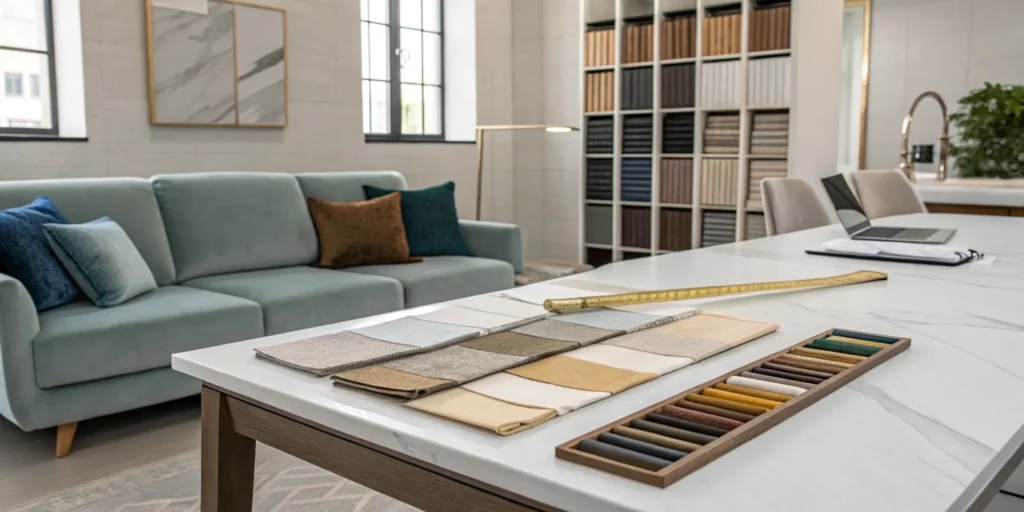
A decorator helps you build a cohesive color story and material palette that flows throughout your space. They have a deep understanding of color theory and how different hues can impact the mood of a room. More importantly, they provide access to an exclusive world of resources. Many of the most beautiful fabrics, wall coverings, and finishes are available only to the trade. Working with a professional allows you to explore these unique materials, giving your home a custom look that you can’t find in retail stores. They layer textures and tones to add depth and character, turning a simple room into a rich, sensory experience.
Source Furniture and Style Your Space
Finding the perfect pieces is a decorator’s specialty. They have a vast network of vendors, from high-end retailers and online shops to exclusive trade showrooms and antique dealers. This allows them to source furniture that perfectly fits your style and budget. Often, they can share their trade discounts with you, which can lead to significant savings. Beyond sourcing, a decorator with a multidisciplinary background may also offer services like furniture restoration, breathing new life into a cherished heirloom or customizing a vintage find to create a truly one-of-a-kind statement piece for your home.
Curate Art and Accessories
The final layer of any design is the art and accessories that infuse it with personality. A decorator acts as a curator, helping you select pieces that tell your story. This goes far beyond hanging a few pictures; it’s about finding works that resonate with you and integrating them thoughtfully into the design. With a global perspective, a decorator can connect you with artisans from around the world to source unique sculptures, textiles, and objects. This ability to weave fine art into the environment is what elevates a well-decorated room into a truly personal and sophisticated sanctuary. They handle the final styling, ensuring every vase, book, and cushion is perfectly placed.
Interior Decorator vs. Interior Designer: What’s the Difference?
You’ve likely heard the terms “interior decorator” and “interior designer” used interchangeably, but they represent distinct roles with different skill sets. Think of it this way: an interior designer builds the functional canvas, while an interior decorator paints the picture on it. The key difference lies in what they create. Designers shape the interior space itself, while decorators focus on furnishing and adorning it.
An interior designer’s work often involves spatial planning, structural changes, and technical knowledge. They typically have formal education in fields like architecture and design, allowing them to reconfigure floor plans, manage lighting and electrical plans, and ensure everything complies with building codes. They are involved from the ground up, making sure a room is not only beautiful but also functional, safe, and built to last. Their expertise is in the bones of the building.
An interior decorator, on the other hand, steps in to handle the aesthetics. Their focus is on the surface-level finishes that bring a room to life. This includes selecting color palettes, sourcing furniture, choosing textiles, and curating art and accessories. A decorator’s job is to translate your personal style into a cohesive and visually stunning environment, working within the existing structure of the space.
Ultimately, the professional you need depends on the scope of your project. If you’re planning a gut renovation or building from scratch, a designer’s expertise is essential. If your space is structurally sound but needs a complete aesthetic refresh, a decorator is your go-to. However, many modern firms, especially those with a multidisciplinary background, blend these roles seamlessly. They bring a designer’s technical skill and a decorator’s artistic eye to every project, offering a holistic approach that considers both form and function from start to finish.
What Services Can You Expect from an Interior Decorator?
When you partner with an interior decorator, you’re hiring a creative expert to handle the aesthetic details of your space. Their primary role is to work with the existing structure of a room and fill it with furniture, accessories, and finishes that reflect your personal style. Think of them as the conductor of your home’s visual symphony, ensuring every element, from the color palette to the texture of a throw pillow, works in perfect harmony.
A decorator’s services are flexible and can be tailored to your specific needs. You might bring them in for a single-room refresh or to furnish an entire residence from top to bottom. They help you translate your ideas into a tangible reality, introducing you to new design concepts while steering you away from expensive missteps, like choosing a sofa that’s too large for the living room or a paint color that clashes with the natural light. With a multidisciplinary approach, a great decorator blends artistry with practicality, creating a space that is not only beautiful but also deeply personal and livable.
Decorating Your Home
For residential projects, a decorator’s main goal is to make your house feel like a home. They start by listening to you, learning about your lifestyle, your tastes, and how you want to feel in each room. From there, they help you make key decisions on everything from paint colors and wallpaper to furniture and lighting. They are experts at space planning, ensuring your furniture arrangement is both functional and visually pleasing. A decorator helps you create a cohesive flow throughout your home, so each room feels connected yet distinct, ultimately crafting a space that is a true reflection of you and your family.
Styling a Commercial Space
Decorating isn’t just for homes. In a commercial setting, like a boutique hotel, a corporate office, or a high-end retail store, a decorator’s expertise is used to shape the customer or employee experience. The objective is to create an environment that communicates a brand’s identity and values. This involves selecting furnishings, art, and decor that establish a specific mood, whether it’s luxurious and exclusive or creative and collaborative. For commercial spaces, styling is a strategic tool that can make a brand more memorable and an environment more inviting, encouraging clients to return and employees to feel inspired.
Restoring Furniture and Sourcing Custom Pieces
One of the most valuable services a decorator offers is their ability to find the perfect pieces for your space. They have a network of trusted vendors, from wholesale showrooms to local artisans, and can often provide access to trade-only discounts. Beyond just shopping, a skilled decorator can commission custom furniture or restore a beloved heirloom, weaving your personal history into the design. This service is about more than just filling a room; it’s about curating a collection of objects that tell a story and give your space a unique character that can’t be replicated.
Developing a Concept and Visual Plan
Before any furniture is ordered or a single wall is painted, a decorator develops a comprehensive concept and visual plan. This is the roadmap for the entire project. It often includes mood boards, color palettes, fabric swatches, and detailed furniture layouts to give you a clear picture of the final look. This step is crucial for ensuring everyone is aligned and that the design is cohesive. It also provides access to a curated selection of to-the-trade-only furnishings and materials that aren’t available to the general public, giving your space an exclusive, polished feel.
How Much Does It Cost to Hire an Interior Decorator?
Understanding the cost of hiring an interior decorator is a key step in planning your project. While it’s an investment, working with a professional is about more than just aesthetics; it’s about creating a functional, cohesive space that reflects your identity and saves you from making costly mistakes. The final price tag can vary quite a bit, as it depends on the project’s complexity, the decorator’s experience, and their specific pricing model. Most professionals structure their fees in one of three ways: a flat fee, an hourly rate, or a percentage of the total project cost. Knowing how these work will help you find a decorator whose services align with your budget and goals.
Breaking Down Pricing: Flat Fees, Hourly Rates, and Percentages
The most common pricing structures you’ll encounter are flat fees, hourly rates, and percentage-based fees. A flat fee covers the entire scope of the design service and is agreed upon upfront, which is ideal for projects with a clear beginning and end. For smaller tasks or consultations, decorators often charge an hourly rate. While national averages can give you a baseline, a seasoned decorator working on a complex project will likely have a higher rate. For large-scale projects involving purchasing and management, some decorators charge a percentage of the total cost of furniture and materials. This model ensures their fee is proportional to the project’s scale. A clear breakdown of interior designer costs can help you anticipate what to expect.
What Factors Influence the Final Cost?
Several key factors will influence your final investment. The most significant is the scope of your project. Decorating a single room will naturally cost less than a full-home transformation that includes custom furniture and art curation. The decorator’s experience and reputation also play a major role. A designer with a distinguished portfolio and a unique creative background, like our founder Catherine Weinstock, brings a depth of knowledge and artistry that is reflected in their fees. Your location matters, too, as rates in major cities like New York or London are typically higher. Finally, the level of service you require, from a simple design concept to full-service project management, will determine the overall cost.
How Trade Discounts Affect Your Budget
One of the most valuable, and often misunderstood, aspects of working with a decorator is their access to trade discounts. Professionals build relationships with showrooms, artisans, and vendors, allowing them to purchase furniture, lighting, and textiles at prices unavailable to the public. A great decorator passes these savings on to you, which can often offset a significant portion of their design fees. This isn’t just about saving money; it’s about gaining access. These trade-only sources are where you’ll find the truly unique, high-quality pieces that make a space feel bespoke and curated. This exclusive access ensures your home won’t look like it came from a catalog and instead reflects a sophisticated, personal style.
Common Myths About Hiring an Interior Decorator
The idea of hiring an interior decorator can feel intimidating, partly because of a few persistent myths floating around. These misconceptions often paint a picture of an expensive, rigid process reserved for a select few. But the reality is quite different. A great decorator is a creative partner who works to bring your vision to life, no matter the scale of your project. Let’s clear up some of the most common myths so you can feel confident about seeking professional guidance for your space.
“They’ll ignore my personal style.”
This is probably the biggest fear people have, and it’s completely understandable. You want your home to feel like you, not like a page from a decorator’s portfolio. The truth is, a professional’s primary goal is to understand and interpret your unique taste. They are experts at asking the right questions to draw out your preferences, even the ones you can’t quite articulate. A collaborative approach is fundamental to the process. Think of them as a guide who helps refine your vision and translate it into a cohesive, functional, and beautiful space that is a true reflection of your identity.
“It’s only for huge projects.”
Another common belief is that you can only call a decorator if you’re renovating an entire house or designing a commercial property from the ground up. While decorators certainly handle large-scale jobs, their expertise is valuable for a wide range of projects. Perhaps you just need help styling a single room, sourcing the perfect piece of furniture, or curating an art collection for a specific wall. Many decorators offer services tailored to smaller scopes, allowing you to get professional input exactly where you need it most without committing to a massive overhaul.
“It’s too expensive for anyone but the super-rich.”
While professional decorating is an investment in your home, it’s not an expense reserved only for the ultra-wealthy. In fact, hiring a decorator can often save you money in the long run by helping you avoid costly mistakes, like buying furniture that’s the wrong scale for a room. Professionals also provide access to trade-only discounts on furniture and materials that aren’t available to the public. Many decorators can work within various budgets, offering different pricing structures to fit your financial comfort zone and ensure you get the most value from your investment.
Is Hiring a Professional Decorator Worth It?
Deciding whether to hire a professional decorator is a common crossroads for anyone looking to create a beautiful space. The appeal of a DIY project is undeniable; it promises creative control and potential savings. However, the reality of sourcing, planning, and executing a design can quickly become overwhelming. Bringing in a professional isn’t just about outsourcing the work; it’s about investing in a seamless process and a superior outcome. A great decorator acts as your creative partner, project manager, and industry insider all in one.
They bring a trained eye to your project, ensuring every choice, from the color palette to the furniture placement, contributes to a cohesive and intentional design. More than that, they manage the countless logistical details, from coordinating with vendors to overseeing installations, saving you from the stress of project management. While it might seem like an added expense, a decorator can prevent costly mistakes, like ordering a sofa that won’t fit through the door or choosing materials that don’t stand the test of time. Ultimately, hiring a professional is worth it when you value your time, desire a polished result, and want to create a space that not only looks stunning but also truly enhances your life and adds to your property’s value.
Gain Access to Exclusive Resources and Artisans
One of the most significant advantages of working with a professional is gaining entry into a world of exclusive resources. Decorators and designers spend years building relationships with vendors, artisans, and craftspeople, giving them access to “to-the-trade-only” items that aren’t available to the general public. This means you get a curated selection of unique furniture, custom fabrics, and one-of-a-kind accessories that you simply can’t find in retail stores. As one expert notes, hiring a professional gives you access to a large selection of furnishings you wouldn’t otherwise see. This insider access allows for a truly bespoke space that reflects your personality, rather than a room assembled from mass-market pieces.
Achieve a Cohesive, Polished Result
A professional decorator has the training and experience to see the bigger picture. While you might select individual pieces you love, a decorator knows how to weave them together into a harmonious and polished whole. They consider scale, proportion, color theory, and lighting to create a balanced environment where every element feels intentional. This expertise is the difference between a room that is simply furnished and one that is thoughtfully designed. While DIY can be satisfying, hiring a professional guarantees quality and efficiency, ensuring your final space is not only beautiful but also functional and cohesive. They translate your vision into a tangible, livable reality that feels both personal and professionally executed.
Save Time and Avoid Costly Mistakes
Your time is valuable, and a decorating project can consume a surprising amount of it. From researching products and vetting vendors to managing orders and scheduling deliveries, the logistics can be a full-time job. A professional decorator handles all of this for you, streamlining the process and freeing you from the administrative burden. Furthermore, their expertise helps you avoid expensive errors. They know which materials are durable, which measurements are critical, and how to create a realistic budget from the start. As one industry professional points out, hiring an expert saves real time, keeps your budget predictable, and significantly reduces the stress associated with a large-scale project.
Add Long-Term Value to Your Property
A well-designed interior is more than just an aesthetic upgrade; it’s a strategic investment in your property. Whether it’s your primary residence or a development project, professional decorating can significantly increase its market appeal and financial value. A thoughtfully designed space is more attractive to potential buyers and can justify a higher asking price. Decorators understand how to make choices that have a lasting impact, from timeless finishes to functional layouts that appeal to a sophisticated clientele. By understanding how to best approach the project, you can make decisions that are ultimately adding value to your home. This long-term return on investment makes hiring a professional a wise financial decision, not just a creative one.
How to Choose the Right Interior Decorator
Selecting an interior decorator is one of the most important decisions you’ll make for your home or commercial space. This is more than a transaction; it’s the start of a creative partnership. The right professional will not only translate your vision into a beautiful, functional environment but also manage the process smoothly from concept to completion. To find the perfect fit, you need to look beyond a pretty portfolio and consider their experience, creative approach, and communication style. Taking the time to vet your options thoroughly ensures the final result is a space that truly feels like your own.
Find a Style Match by Reviewing Portfolios
Your home should be a reflection of you, so finding a decorator whose aesthetic aligns with yours is the first step. Spend time carefully reviewing their portfolios. Look for consistency in quality and an approach that resonates with your personal taste. Do you gravitate toward clean, contemporary lines, or are you drawn to rich, layered interiors that blend classic and modern elements? A decorator’s past projects are the best indicator of their creative voice. While a great decorator can adapt to different styles, their portfolio reveals their core strengths and the kind of atmosphere they naturally create. Find someone whose work excites you and makes you feel understood.
Verify Their Experience with Your Project’s Scope
Every project has unique demands, whether it’s a full-scale renovation of a Tribeca loft or styling a commercial space in London. It’s crucial to choose a decorator who has proven experience with projects of a similar scale and complexity to yours. Ask about their background with high-end residential properties, historic restorations, or new developments, depending on your needs. An experienced professional will not only have the right creative vision but also the practical knowledge to handle logistical challenges, manage budgets effectively, and coordinate with architects and contractors. This expertise is what separates a good outcome from a truly exceptional one, ensuring your project is managed with confidence and precision.
Look for a Diverse Creative Background
A decorator with a varied background often brings a richer, more nuanced perspective to a project. Someone with experience in fine art, furniture design, or architecture sees a space through a unique lens, weaving together different disciplines to create something truly original. This multidisciplinary approach often translates into access to a global network of artisans, exclusive furnishings, and custom solutions you wouldn’t find otherwise. They can commission a bespoke piece of furniture or source art that perfectly completes a room because their creative toolkit is simply bigger. This depth of knowledge adds layers of sophistication and personality to your space, making it feel curated rather than just decorated.
Prioritize Clear Communication and Transparency
A successful design project is built on a foundation of trust and clear communication. From the very first meeting, your decorator should be a transparent partner, listening to your ideas and clearly explaining their process. You should feel comfortable asking questions and offering feedback at every stage. A great decorator will set clear expectations for timelines, budgets, and decision-making, ensuring there are no surprises along the way. This collaborative spirit is key. You are inviting someone into your personal space, so it’s essential to find a professional whose communication style makes you feel heard, respected, and confident in their ability to bring your vision to life.
Key Questions to Ask Before You Hire
Choosing an interior decorator is about more than just admiring their portfolio. It’s about finding a creative partner who understands your vision and can manage the complex process of bringing it to life. Before you commit, it’s essential to have a candid conversation to ensure your expectations align. Asking the right questions upfront sets the stage for a smooth, transparent, and enjoyable collaboration. Think of this initial discussion not as an interview, but as the first step in building a relationship based on trust and clear communication. These questions will help you understand their approach and determine if they are the right fit for you and your project.
Ask About Their Process and Timeline
Every successful project begins with a clear plan. Ask a potential decorator to walk you through their step-by-step process, from the initial consultation to the final installation. A seasoned professional should be able to outline their phases of work, whether that involves concept development, sourcing, and project management. Understanding this roadmap helps you know what to expect and when. It also gives you insight into how they handle communication, approvals, and potential challenges. A well-defined process is a strong indicator of professionalism and shows that the decorator is equipped to guide your project to completion on a realistic project timeline.
Clarify the Budget and Pricing Structure
A conversation about money should happen early and be completely transparent. Ask how the decorator structures their fees, as there are several common models. Some charge a flat fee for the entire project, others work on an hourly rate, and many use a percentage of the total project cost. It’s important to understand what is included in their fee and what will be billed separately, such as furniture, materials, and contractor services. A clear understanding of the pricing structure ensures there are no surprises and allows you to align the project scope with your financial expectations from the very beginning.
Inquire About Sourcing and Vendor Access
One of the greatest advantages of working with a professional decorator is their access to an exclusive world of resources. Ask about their relationships with artisans, furniture makers, and fabric houses. A well-connected decorator can source unique, to-the-trade-only pieces that you simply can’t find in retail stores. This access allows for a truly bespoke design that reflects quality and individuality. At CW DESIGN, our multidisciplinary approach and global network of artisans are central to how we create one-of-a-kind environments, blending fine art with functional design to craft a space that is uniquely yours.
Discuss Your Involvement and Collaboration Style
The relationship between a client and a decorator is a partnership. Before you begin, it’s helpful to discuss how you envision your role in the process. Are you someone who wants to be involved in every detail, or do you prefer to hand over the reins after establishing the overall vision? There is no right or wrong way to collaborate, but it’s crucial that your decorator’s working style complements your own. A great decorator will be flexible, but clarifying your desired level of involvement ensures a harmonious and productive relationship where your voice is heard and your vision is expertly executed.
Where to Find a Great Interior Decorator
Finding the right interior decorator is the first step in transforming your space into a true reflection of your vision. Think of this search not as a task, but as the beginning of a creative partnership. The ideal professional will not only understand your aesthetic but will also bring their own expertise and artistic perspective to the project. While a decorator’s portfolio gives you a glimpse into their style, finding the perfect match requires a bit more research.
The best approach combines modern convenience with trusted, traditional methods. You can start by exploring curated online directories to gather inspiration and create a shortlist of potential candidates. At the same time, don’t underestimate the power of a personal recommendation from someone you trust. Once you have a few names, you can begin the vetting process to ensure you find a decorator who has the experience, resources, and collaborative spirit to bring your project to life. This thoughtful approach will help you find a true partner for your design journey.
Check Online Platforms and Design Directories
Online platforms are an excellent starting point for discovering talent. Websites like Houzz serve as comprehensive design directories, allowing you to browse the portfolios of decorators in your area and around the world. You can filter your search by project type, room, and style, which makes it easy to find professionals whose work resonates with you. These platforms consolidate everything you need for an initial review, from project photos to client testimonials. Use them to get a feel for the current design landscape and to build a list of decorators whose work catches your eye. It’s a streamlined way to survey your options before you start reaching out.
Ask for Referrals and Look at Design Publications
Some of the best connections come from a trusted recommendation. Ask friends, family, or professional colleagues if they have worked with an interior decorator they loved. A personal referral gives you insight into not just the final result, but also the working relationship and process. Beyond your personal network, turn to premier design publications. Magazines and websites are treasure troves of curated talent. For example, the annual Architectural Digest AD100 list features the world’s most influential designers and architects. Seeing a decorator’s work featured in a respected publication is a strong indicator of their quality and standing in the industry.
Vet Your Top Candidates
Once you have a shortlist, it’s time to look beyond the beautiful photos. A great portfolio is important, but you also need to confirm that a decorator’s expertise aligns with your specific needs. Do you need someone with experience in historic restorations, commercial spaces, or art curation? Read client reviews carefully to get a sense of their professionalism, communication style, and ability to manage a project from start to finish. Look for a decorator who not only has a strong aesthetic but also brings a unique perspective or multidisciplinary background to their work. This deeper vetting process ensures you find a professional who can deliver a polished result and a positive experience.
Frequently Asked Questions
Will a decorator impose their style on my home? Not at all. A professional decorator’s job is to act as an interpreter for your personal style, not to replace it with their own. They are skilled at listening and asking questions to understand what you love, how you live, and how you want your home to feel. The entire process is a partnership, where they use their expertise to refine your vision and create a space that is a sophisticated, polished version of you.
How can hiring a decorator save me money if I’m paying for their service? It seems counterintuitive, but a decorator’s expertise can be a significant financial advantage. They help you avoid expensive missteps, like buying furniture that doesn’t fit the room’s scale or choosing materials that won’t last. Plus, decorators have access to trade-only discounts on furniture, fabrics, and lighting that are not available to the public. These savings can often offset a large portion of their design fees, giving you a better result for a similar overall cost.
What’s the real difference between a decorator and an interior designer? Think of it this way: an interior designer works on the bones of a space, while a decorator dresses it. A designer can change the structure of a room, like moving walls, reconfiguring layouts, and handling technical plans for lighting and plumbing. A decorator works within the existing structure to handle all the aesthetic layers, including furniture, color palettes, textiles, and art. Many firms, however, blend these skills to offer a complete service.
Can I hire a decorator for a small project, like styling a single room? Absolutely. While decorators handle large, full-home projects, their services are flexible and can be tailored to your specific needs. Many professionals are happy to take on smaller-scale jobs, whether you need help furnishing a single living room, sourcing a few key pieces of art, or simply developing a cohesive color scheme. It’s a great way to get professional guidance exactly where you need it most.
What should I do to prepare for my first consultation with a decorator? The best way to prepare is to think about your vision and your lifestyle. Gather images of rooms and styles you love from magazines or online platforms to help communicate your taste. It’s also helpful to consider how you use the space, what works for you now, and what doesn’t. Don’t worry about having all the answers; just come with an open mind. A great decorator will guide the conversation to get all the information they need.