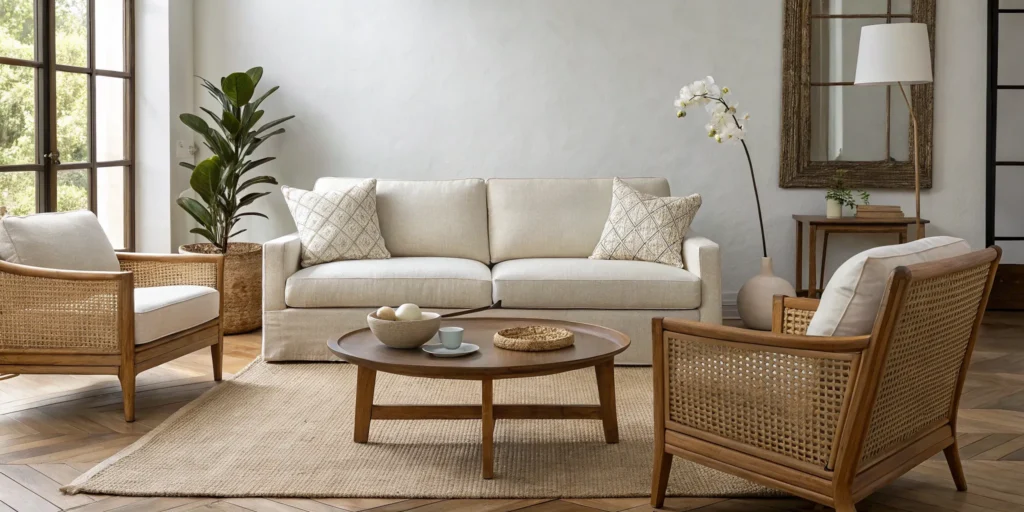
Your home is a mirror, reflecting your life, your aspirations, and your inner state. When something in your space feels off, it can subtly affect your entire well-being. This is the central philosophy of Feng Shui: that by harmonizing our external environment, we can positively influence our internal world. It’s a practice that empowers you to become an active participant in shaping your surroundings, turning your home into a powerful tool for personal growth and contentment. By learning the fundamentals of feng shui interior design, you can begin to make small, intentional adjustments that create a significant shift in your home’s energy. This guide will show you how to cultivate a space that not only looks beautiful but also nurtures your spirit and aligns with your goals.
Key Takeaways
- Prioritize How Your Space Feels: Feng Shui is a design philosophy focused on creating a supportive environment. It uses intentional choices about layout and decor to improve a room’s energy, ensuring your home feels as good as it looks.
- Start with Two Foundational Actions: The most impactful first steps are simple. Begin by clearing clutter to allow positive energy to move freely, then arrange your bed and desk in the commanding position to foster a sense of security and control.
- Adapt the Principles to Your Personal Style: Feng Shui is not a rigid decorating style but a flexible framework. You can apply its core concepts, like balancing the five elements, to any aesthetic, using the art and furniture you already love to create a harmonious home that reflects you.
What Is Feng Shui in Interior Design?
Feng Shui is an ancient practice that offers a unique lens through which to view our homes. Instead of seeing rooms as just collections of furniture and decor, Feng Shui teaches us to see them as dynamic environments that influence our well-being. It’s a design philosophy centered on creating balance and harmony by optimizing the flow of energy within a space. By making intentional choices about layout, color, and materials, you can craft a home that not only looks beautiful but also feels supportive, calm, and full of life. This approach allows us to connect with our surroundings on a deeper level, turning our homes into true sanctuaries that nurture our personal and professional lives.
Understanding Qi: The Concept of Energy Flow
At the heart of Feng Shui is the concept of “qi” (pronounced “chee”), which translates to life force energy. This is the invisible energy that flows through everything in the universe, including your home. The goal of Feng Shui is to arrange your space so that qi can move freely and smoothly, much like a gentle stream. When a room has good qi flow, it feels vibrant, welcoming, and peaceful. This is why an ancient Chinese practice has remained so relevant.
If energy gets blocked by clutter or poor furniture placement, it can become stagnant, making a space feel heavy or draining. Conversely, if qi rushes too quickly through a long, straight hallway, it can create a sense of unease. Feng Shui provides a map for guiding this energy, ensuring it circulates in a way that positively supports your health, relationships, and overall happiness.
Feng Shui vs. Conventional Design: A New Perspective
While traditional interior design focuses on aesthetics and functionality, Feng Shui adds a crucial third dimension: energy. It helps us understand how our environment affects our emotions and state of mind. For instance, you may instinctively feel stressed in a messy room, and Feng Shui explains this by identifying the clutter as a block to positive energy flow. The practice is fundamentally about creating harmony between people and their physical surroundings.
A common myth is that a Feng Shui home must be filled with Asian-inspired decor. In reality, Feng Shui is not a decorating style but a set of principles that can be applied to any aesthetic, whether it’s minimalist, contemporary, or classic. It’s less about the specific items you own and more about their placement and the intention behind them. It’s a way to ensure your home is a true reflection of the life you want to live.
The Core Principles of Feng Shui
At its heart, Feng Shui is about creating a home that supports and nurtures you. It’s an ancient Chinese art of arranging your space to harmonize with the natural world, promoting a flow of positive energy, or “chi.” Think of it less as a rigid set of rules and more as a guide to designing with intention. While conventional design often focuses on aesthetics and trends, Feng Shui goes deeper, asking how a space makes you feel and how it can contribute to your well-being. It’s about creating an environment that is not only visually stunning but also energetically balanced, a true sanctuary from the outside world.
The central idea is that your home is a reflection of your life. By making thoughtful adjustments to your surroundings, you can influence the flow of energy and, in turn, invite positive changes into your personal and professional life. This practice isn’t about superstition; it’s about the psychology of space and recognizing how our environment impacts our mood, productivity, and overall happiness. By understanding a few core principles, you can begin to demystify the process and transform your home into a place that feels balanced, peaceful, and perfectly aligned with your goals. These foundational ideas are the building blocks for a home that feels deeply right.
The Commanding Position
The commanding position is one of the most fundamental concepts in Feng Shui, and it’s all about feeling secure in your own space. This principle suggests placing the most important pieces of furniture, like your bed, desk, or stove, in a spot where you can see the entrance to the room without being directly in line with the doorway. This arrangement gives you a clear view of anyone or anything that might enter, which subconsciously puts your mind at ease. It’s an instinctual need for safety that, when met, allows you to fully relax or focus. By adopting this layout, you create a sense of control and stability in the rooms where you rest, work, and gather.
The Five Elements
Feng Shui uses a system of five elements to describe the different types of energy that make up our world and our homes: wood, fire, earth, metal, and water. Each element has unique qualities, colors, and shapes associated with it. Wood represents growth and creativity, while fire signifies passion and energy. Earth brings stability, metal provides clarity, and water relates to wisdom and flow. The goal isn’t to fill a room with just one, but to create harmony by balancing them. A room with too much fire energy might feel chaotic, while one with too much water could feel somber. A thoughtful mix creates a space that feels complete and supportive.
The Bagua Map
The Bagua map is an energy grid that helps you see your home in a new light. This tool divides your floor plan into nine distinct areas, with each section corresponding to a specific aspect of your life, such as wealth and prosperity, love and marriage, or career and life path. By overlaying this map on your home (or even a single room), you can identify which physical spaces are connected to your personal goals. For example, you might find that your career area is cluttered or that your relationship corner feels neglected. The Bagua map empowers you to make intentional changes in your environment to support the areas of your life you want to improve.
Yin and Yang Balance
You’ve likely heard of yin and yang, the two opposing yet complementary forces that shape the universe. In design, this principle is about balancing different types of energy to create a dynamic and comfortable space. Yin represents quiet, soft, and restorative energy, characterized by cool colors, plush fabrics, and low lighting. It’s the energy you want in a bedroom or a meditation corner. Yang is the opposite: active, bright, and social energy, found in vibrant colors, hard surfaces, and ample light. This energy is perfect for a home office, kitchen, or living room. A well-designed home doesn’t choose one over the other; it creates a beautiful and functional balance between them.
Clearing Clutter for Chi Flow
Before you move a single piece of furniture or add any new decor, the first step in Feng Shui is always to clear the clutter. Positive energy, or chi, needs to flow freely through your home, and clutter acts like a dam, stopping it in its tracks. A messy, disorganized space can make you feel stuck, overwhelmed, and drained. Think about how you feel when you walk into a tidy, open room versus a cramped and cluttered one. By removing items you no longer need or love, you’re not just cleaning your house; you’re creating space for fresh, positive energy to circulate. This simple act can have a profound impact on your mindset and well-being, making it one of the most powerful Feng Shui interior design principles.
Does Feng Shui Really Work?
It’s a fair question. For many, Feng Shui can seem like a mix of ancient mysticism and superstition. But when you look past the more esoteric rules, you find a practice deeply rooted in the idea that our homes are a reflection of our lives. At its heart, Feng Shui is a powerful tool for intentional design. It’s about consciously shaping your environment to support the life you want to live, creating spaces that not only look beautiful but feel genuinely good to be in. It’s a philosophy that aligns perfectly with creating a bespoke home that is both a work of art and a functional sanctuary.
Think of it less as a rigid set of rules and more as a guide to understanding the connection between your space and your well-being. It gives us a framework for arranging our homes in a way that promotes balance, peace, and productivity. Whether you believe in the flow of energy or not, the principles often lead to design choices that are simply more thoughtful, functional, and harmonious. It’s about creating a sanctuary that nurtures you, and that’s a concept that resonates whether you’re in a Tribeca loft or a London townhouse. The goal is to make your home an active participant in your happiness and success, a principle we hold dear in every project.
The Psychology of Intentional Design
At its core, Feng Shui is about the psychology of space. It helps us articulate how our surroundings affect our feelings and gives us a method for making positive changes. For example, the principle of keeping an entryway clear and uncluttered isn’t just about energy flow; it’s about creating a welcoming first impression that sets a calm tone for the entire home. A cluttered entrance can instantly trigger feelings of stress and chaos. By consciously designing our spaces, we are essentially programming our environment to support our mental and emotional state. It’s a practical way to ensure your home is a source of comfort and stability, not another source of stress.
Why Feng Shui Resonates Globally
The desire for a home that supports our well-being is universal, which is why Feng Shui principles have been adopted worldwide. The central goal is to harmonize the flow of Qi, or life force energy, to support your health, relationships, and prosperity. As our lives become busier, the need for a personal sanctuary has grown stronger. People are looking for more than just aesthetics; they want a home that feels restorative and aligned with their personal goals. Feng Shui provides a timeless blueprint for creating that very environment, making it as relevant in a modern Dubai penthouse as it was in ancient China.
Adapting Feng Shui to Your Personal Style
A common misconception is that a Feng Shui home must look a certain way, often filled with specific Asian-inspired decor. This couldn’t be further from the truth. Feng Shui is not about a specific decorating style; it’s a set of principles that can be applied to any aesthetic, from sleek minimalism to layered traditionalism. It’s about the placement of your furniture, the flow of traffic, and the balance of materials. You can create a harmonious space using the art and objects you already love. The practice is meant to be deeply personal, allowing you to weave its principles into a design that reflects your unique identity and taste.
A Room-by-Room Guide to Feng Shui
Applying Feng Shui principles doesn’t mean you have to completely overhaul your home overnight. The best approach is to move through your space with intention, making small adjustments that create a significant impact on the overall energy and feel of your environment. By focusing on one room at a time, you can thoughtfully cultivate a home that supports your well-being, fosters connection, and reflects a sense of balanced harmony. This room-by-room guide offers practical steps to get you started on creating a more mindful and supportive living space.
The Entryway: Crafting a First Impression
Think of your entryway as the first hello your home offers to you and your guests. It’s where energy, or qi, first enters your space, so you want to make it as welcoming as possible. A cluttered or dark entryway can create a sense of stagnation right at the threshold. Start by clearing away any unnecessary items like piles of shoes or mail. Then, focus on lighting. Using warm, inviting lights creates an atmosphere that feels open and encourages a positive energy flow. A beautiful piece of art or a mirror (placed on a wall perpendicular to the door, not opposite it) can also make the space feel more expansive and bright.
The Living Room: Encouraging Connection
Your living room is the heart of your home, a place for relaxation and social connection. The layout of your furniture plays a huge role in how this energy circulates. To foster easy conversation, arrange seats so they face each other, creating a comfortable and inclusive grouping. Try to avoid placing the back of your main sofa directly toward the entrance of the room. When you can’t see who is entering, it can create a subtle sense of unease. Instead, aim for a layout where the main seating piece has a clear view of the door, making the entire room feel more secure and inviting.
The Bedroom: Creating a Restful Sanctuary
The primary purpose of your bedroom is rest and rejuvenation, and its layout should reflect that. The most important element is the placement of your bed. For the most restorative sleep, place your bed in the “command position.” This means you can see the door from your bed, but you are not directly in line with it. This strategic placement provides a sense of security, allowing your nervous system to fully relax. Keep technology and work-related items out of the bedroom to maintain its identity as a peaceful sanctuary dedicated solely to rest and intimacy.
The Kitchen: Designing for Nourishment
The kitchen is a symbol of health and abundance, and its design can support your well-being. In Feng Shui, the stove represents your wealth and resources, so keeping it clean and in good working order is essential. It’s also a fire element. The sink, with its flowing water, is a water element. To maintain balance, it’s best if the stove and sink are not placed directly opposite each other, as this can create a clash of energies. A simple fix can be placing a wood element, like a small plant or a wooden cutting board, between them to mediate the energy.
The Home Office: Fostering Focus and Success
Whether you work from home full-time or just need a space for managing household tasks, creating a supportive home office is key. Just like in the bedroom, the command position is vital here. Position your desk so that you can see the door without being directly in front of it. This allows you to feel more in control of your environment and your work, which can greatly enhance your focus and productivity. A well-organized, clutter-free desk and good lighting will also help you maintain clarity and a sense of purpose while you work.
The Bathroom: Managing Energy and Calm
Bathrooms can be tricky spaces in Feng Shui because of the presence of drains, which can represent energy flowing away. The key is to manage this flow and create a sense of calm. Always keep the toilet lid down when not in use and ensure the door is closed to prevent positive energy from escaping the rest of the home. Maintaining a clean, bright, and spa-like atmosphere with good ventilation helps counteract any negative energy. Adding plants that thrive in humidity or incorporating earthy elements like stone and wood can also help ground the space and make it feel more serene.
Selecting Decor with Feng Shui in Mind
Choosing the right decor is about more than just aesthetics; it’s about curating an atmosphere. In Feng Shui, every object, color, and material contributes to the energy of your home. By selecting pieces with intention, you can create a space that not only looks beautiful but also feels supportive and balanced. This is where we move from simply decorating a room to mindfully composing an environment. It’s a subtle shift that can have a profound impact on how you experience your home, turning it into a true sanctuary that nurtures your well-being and reflects your aspirations. As we blend artistry with function, these principles guide us in making choices that resonate on a deeper level.
Aligning Colors with the Five Elements
Color is one of the simplest yet most powerful tools for shifting the energy in a room. Feng Shui organizes color through the Five Elements: Wood, Fire, Earth, Metal, and Water. Each element corresponds to specific colors and energies that can be used to enhance different areas of your home, as defined by the Bagua map. For example, the Wood element, associated with growth and vitality, is represented by greens and browns. The Fire element uses reds and oranges to invite passion and energy. Earth tones like beige and yellow bring stability, while Metal’s whites and grays encourage clarity. Finally, the Water element uses black and dark blue to support wisdom and flow. By thoughtfully layering these colors, you can create a balanced and harmonious environment.
Using Mirrors, Plants, and Natural Materials
Bringing elements of the natural world indoors is fundamental to good Feng Shui. Live plants and fresh flowers introduce vibrant life force, or chi, into your space while also purifying the air. Incorporating natural materials like wood, stone, and linen helps ground the energy of a room, fostering a sense of calm and connection to nature. Mirrors are another key tool, used to amplify natural light and create an illusion of spaciousness. When placing a mirror, be intentional about what it reflects. A mirror should always reflect something beautiful, like a piece of art or a view of the garden, never clutter or the front door, which can push energy away. This practice of biophilic design connects us to the outdoors and enhances our well-being.
Decor to Reconsider for a Harmonious Space
Just as some decor can enhance chi, other items can hinder it. The most significant obstacle to good energy flow is clutter. A tidy, organized space allows energy to move freely, so it’s important to let go of anything you don’t use or love. Feng Shui principles also suggest avoiding dried flowers, as they are thought to represent stagnant energy. Similarly, sharp or prickly plants like cacti can introduce a harsh quality to a room’s atmosphere. It’s also commonly advised to avoid placing a large mirror directly facing your bed, as the active energy it reflects can disrupt restful sleep. However, remember that your connection to your home is personal. If a specific rule doesn’t feel right to you, it’s okay to follow your own intuition.
Common Feng Shui Mistakes to Avoid
Applying Feng Shui is often about what you remove, not just what you add. Even the most beautifully designed space can feel off if certain elements are blocking positive energy flow. By addressing a few common missteps, you can create a home that feels as good as it looks. Here are some key mistakes to watch for as you refine your space.
Obstructing Natural Light and Airflow
Natural light is a powerful source of positive energy, or Qi. When a room is dark or stuffy, the energy can become stagnant. A frequent mistake is using heavy, dark window treatments that block sunlight and make a space feel smaller and heavier. Instead, opt for sheer curtains or blinds that you can easily adjust throughout the day. You can also use mirrors to amplify the light you do have. The goal is to let your home breathe and invite as much bright, vibrant energy inside as possible.
Neglecting the Entryway
Your front entrance is the mouth of Qi, where all energy enters your home. It’s crucial to make this area feel welcoming. A common oversight is allowing clutter to accumulate near the door or having a door that doesn’t open fully. This can symbolically block opportunities from entering your life. Make sure your entryway is clear, well-lit, and inviting. A clean doormat and a smoothly opening door signal that your home is ready to receive positive energy. This first impression sets the tone for your entire home, reflecting the care and intention we value in every design project.
Placing Mirrors Incorrectly
Mirrors are powerful tools in Feng Shui, but their placement is everything. One of the most common errors is hanging a mirror directly opposite the front door. This placement can push good energy right back out before it has a chance to circulate through your home. A better approach is to place mirrors on a wall perpendicular to the entrance to help draw energy further into the space. Mirrors should always reflect something beautiful, like a piece of art or a view of your garden, to multiply that positive imagery and energy throughout the room.
Keeping Broken or Damaged Items
Holding onto broken or unused items creates stagnant energy. This includes everything from chipped dishes and burned-out lightbulbs to furniture that is beyond repair. These objects represent neglect and can weigh down the energy of your home. Make it a practice to regularly edit your belongings. Fix anything that’s broken, like a squeaky door or a leaky faucet. In Feng Shui, a leaking faucet is often said to symbolize a drain on your finances. A home filled with well-maintained, loved objects supports a feeling of abundance and well-being.
How to Begin Your Feng Shui Practice
Getting started with Feng Shui doesn’t require a complete overhaul of your home. Instead, it begins with a series of small, intentional adjustments that can have a profound impact on how your space feels and functions. By focusing on a few key principles, you can begin to cultivate a more balanced and supportive environment. These foundational steps are practical, accessible, and can be adapted to any home or design style, laying the groundwork for a space that truly nurtures your well-being.
Start with a Clutter Audit
The first, most impactful step in any Feng Shui practice is to clear the clutter. Think of your home as a vessel for energy, or Qi. When rooms are filled with unnecessary items, that energy becomes stagnant and heavy. According to Architectural Digest, clutter can block energy flow and make you feel stuck in life. A clutter audit isn’t about achieving stark minimalism; it’s about making intentional choices. Start small by tackling one drawer, one closet, or one corner of a room. The goal is to create physical and visual space, allowing positive energy to move freely. This simple act of tidying up can immediately make a room feel lighter, more open, and more supportive of your well-being.
Establish the Commanding Position
The commanding position is a core principle that places you in the best spot to handle whatever comes your way. It’s about arranging key pieces of furniture, like your bed, desk, or stove, so you have a clear view of the room’s entrance without being directly in line with it. Ideally, you should also have a solid wall behind you for support. This layout fosters a sense of security and control over your environment. If your room’s architecture makes this arrangement difficult, don’t worry. As noted by The Interior Design Institute, you can place a mirror to reflect the doorway, effectively giving you a view of the entrance and restoring that feeling of command.
Introduce the Five Elements
A harmonious space feels balanced, and in Feng Shui, this is achieved by incorporating the five elements: Wood, Fire, Earth, Metal, and Water. Each element carries a unique energy, and blending them creates a complete and nurturing environment. Wood represents growth and vitality (think wooden furniture or plants). Fire brings passion and energy (candles, warm lighting). Earth provides stability and grounding (ceramics, stone). Metal offers clarity and precision (metal frames, sculptures). Finally, Water symbolizes wisdom and flow (mirrors, dark colors). The key is to create a thoughtful mix. A room with too much Fire might feel overwhelming, while one lacking Wood could feel lifeless. A guide from Sansa Interiors can help you find the right balance.
Choose Decor with Intention
Feng Shui is not about following a rigid set of aesthetic rules; it’s about creating a home that reflects and supports you. Every object in your space carries its own energy, so it’s important to choose decor with intention. Select pieces that you truly love and that resonate with the feeling you want to cultivate in each room. Color is a powerful tool here. Warm tones like reds and oranges can bring energy to social spaces, while cool blues and greens promote calm in restful areas. You can integrate the five elements into any design style, from contemporary to classic. The goal is to build a balanced, personal sanctuary that feels both beautiful and energetically aligned, as explained by Hoppler Design & Build.
When to Partner with an Interior Designer
While anyone can begin applying basic Feng Shui principles, partnering with an interior designer helps integrate them into a cohesive and sophisticated vision for your home. A designer’s role is to translate your goals, including the desire for a balanced environment, into a space that is both beautiful and deeply personal. We can help you weave Feng Shui concepts into your home’s aesthetic so the result feels harmonious and authentically you, not like you’re just following a set of rules.
Many Feng Shui ideas are rooted in practical, common-sense design, like ensuring clear pathways for easy movement and maximizing natural light. A designer helps you achieve this while making elevated choices about furniture placement, scale, and materials that align with your personal style. We help you interpret complex concepts like the Bagua map and the five elements, translating them into tangible choices that support your well-being. This approach shows a deeper consideration for how a space will not only look but also feel.
For those deeply committed to the practice, a designer can also collaborate with a dedicated Feng Shui consultant to create a detailed energy map for your home, ensuring every decision is made with purpose. Ultimately, an interior designer acts as your trusted guide, balancing ancient wisdom with contemporary style to create a sanctuary that is a true reflection of you. Discuss your project with CW DESIGN.
Frequently Asked Questions
Do I have to decorate my home with Asian-inspired items for it to have good Feng Shui? Not at all. This is one of the biggest myths about Feng Shui. Think of it as a set of guiding principles for placement and energy flow, not a specific decorating style. These concepts can be applied to any aesthetic you love, whether it’s sleek and modern, classic and traditional, or anything in between. The focus is on creating balance and harmony using the items you already own and cherish, ensuring your home is a true reflection of your personal taste.
I’m interested but feel a bit overwhelmed. What is the single most important thing I can do to start? The best and most impactful place to begin is by clearing clutter. Before you think about moving furniture or buying new decor, take some time to edit your belongings. Clutter creates stagnant energy and can make a space feel heavy and stressful. By simply clearing surfaces and letting go of items you no longer need or love, you create space for positive energy to circulate freely. This one step can dramatically change how your home feels.
My room’s layout makes it impossible to put my bed in the commanding position. What should I do? This is a very common challenge, so don’t worry. The goal of the commanding position is to give you a sense of security by allowing you to see the door. If you can’t physically move your bed, you can use a “cure.” Place a well-positioned mirror so that when you are in bed, you can see the reflection of the doorway. This simple adjustment gives your subconscious mind the visual information it needs to feel secure, allowing you to fully relax.
How does Feng Shui differ from just good, thoughtful interior design? While thoughtful interior design focuses on creating a space that is functional and aesthetically pleasing, Feng Shui adds a third, deeper dimension: the energetic impact of your environment. It asks how your home makes you feel and how it can actively support your well-being, relationships, and goals. It’s a practice of intentionality, where every choice, from furniture placement to color selection, is made to cultivate a specific, positive feeling in your home.
Is it okay to break some of the rules? For example, I love my dried flower arrangement. Absolutely. While Feng Shui offers powerful guidelines, your home should ultimately be a place that brings you joy. The principles are meant to support you, not restrict you. If a particular item, like a dried flower arrangement you adore, brings you happiness, that positive personal connection is also a form of good energy. The goal is to create a space that feels right and supportive to you, so it’s always best to balance the principles with your own intuition.