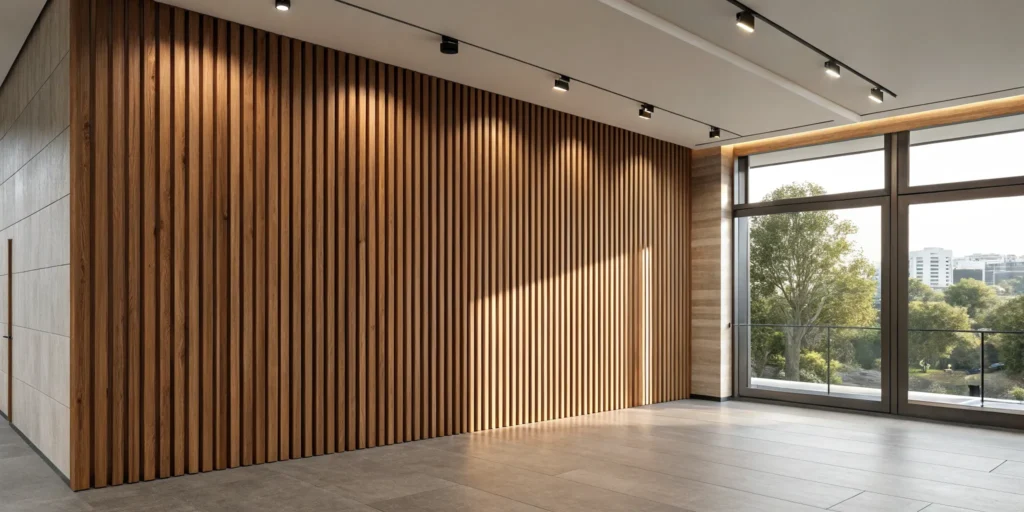
For those who appreciate true craftsmanship, a bespoke wood wall is the ultimate expression of sophisticated design. It moves beyond a simple decorative finish to become an integral piece of your home’s architecture. This is where design becomes personal. A custom wood wall, created in collaboration with skilled artisans, can be tailored to the exact proportions of your space, whether it’s a grand lobby in Dubai or an intimate study in a Brooklyn brownstone. It’s a feature that signals an investment in quality and a commitment to creating a one-of-a-kind environment. This article explores the possibilities of a custom wood wall, from sourcing unique materials to partnering with a designer to ensure the final installation is a true work of art that defines your property.
Key Takeaways
- Embrace Both Form and Function: A wood wall does more than add visual warmth; it improves a room’s acoustics by reducing echo, creating a calmer and more sophisticated environment that enhances how your space feels, not just how it looks.
- Customize with Key Details: The final impact of your wood wall lies in the details. Make intentional choices about the wood’s tone, its finish, and the orientation of the planks to create a look that is perfectly tailored to your room’s architecture and style.
- Invest in a Polished Result: To achieve a truly high-end look, professional installation is essential. After installation, use strategic lighting to highlight the wood’s natural texture and partner with a designer to ensure the wall feels like a seamless, integrated piece of art.
What Is a Wood Wall?
At its most basic, a wood wall is an interior surface covered with wood. But in the world of design, it’s so much more than that. Think of it as a tool for adding instant warmth, texture, and architectural character to a room. A wood wall can transform a flat, uninspired surface into a dynamic focal point, much like a large-scale piece of art. It’s a design choice that feels both grounded in nature and incredibly sophisticated, capable of making a space feel cozier, more expansive, or more dramatic, depending on the execution.
This isn’t just about following a trend. While wooden wall treatments are certainly popular, their ability to infuse a room with timeless style is what gives them lasting power. The application can range from a single accent wall behind a bed or sofa to a full room wrapped in rich, warm panels. These installations can be crafted from a variety of materials, including solid wood, engineered products, and reclaimed timber, each offering a distinct personality. The versatility of wood wall paneling allows it to complement nearly any aesthetic, from the sleek and modern lines of a Tribeca loft to the classic elegance of a London townhouse. It’s a foundational element that can define the entire mood of your home.
Wood Wall Styles to Consider
Choosing a wood wall is about more than just picking a material; it’s about selecting a style that defines the character of your space. From the clean, linear look of modern slats to the rich history embedded in reclaimed planks, the right wood wall treatment can transform a room from simple to stunning. The style you choose will set the tone, whether you’re aiming for a cozy, rustic feel or a sleek, contemporary statement. As we explore the options, think about the architectural language of your home and the atmosphere you want to create. Each style offers a unique texture, pattern, and personality, giving you a versatile palette to design a truly bespoke interior.
Slat Walls
Slat walls are defined by their clean, linear pattern of vertical or horizontal wood strips. This style brings a distinctly modern and architectural feel to any room, creating a sense of rhythm and texture that is both subtle and impactful. The parallel lines can make a room feel taller or wider, depending on their orientation. Beyond their visual appeal, many slat walls are designed as luxury acoustic panels that absorb sound, making them a functional choice for living rooms, home offices, or media rooms where sound quality is important. The result is a space that feels calm, sophisticated, and thoughtfully designed.
Panel Walls
Wood paneling offers a more classic and structured look, perfect for adding a sense of gravitas and architectural detail. Unlike slats, panels typically cover the wall in larger, solid sections, which can be flat, raised, or arranged in geometric patterns like board and batten. This style is incredibly versatile; a wall of dark walnut panels can create a moody, intimate library, while white-painted panels can lend a bright, traditional feel to a dining room. You can find everything from solid wood to wood veneer panels, allowing for a range of finishes that can complement any design scheme, from formal to transitional.
Shiplap and Tongue-and-Groove
Often grouped together, shiplap and tongue-and-groove are classic methods for creating a textured wood wall. Shiplap boards overlap with a distinctive channel, a look often associated with coastal or modern farmhouse aesthetics. Tongue-and-groove boards interlock for a tighter, more seamless finish that feels polished and refined. While both can add rustic charm, they can also be adapted for contemporary spaces. Imagine shiplap painted a deep charcoal for a dramatic accent wall or a clear-finished tongue-and-groove ceiling to add warmth. Understanding the pros and cons of wood paneling will help you decide which is the best fit for your project’s goals.
Reclaimed Wood
For a wall that tells a story, nothing compares to reclaimed wood. Sourced from old barns, factories, and other historic structures, each plank carries a unique history, complete with nail holes, weathering, and a rich patina that can’t be replicated. This style brings unparalleled warmth and character to a space, creating an instant focal point. You can arrange reclaimed wood planks at varying depths to create compelling shadow lines and texture, turning your wall into a piece of art. It’s a perfect choice for adding a touch of rustic soul to an otherwise modern interior or for creating a cozy, lived-in atmosphere.
3D and Acoustic Panels
If you’re looking for a truly contemporary statement, 3D and acoustic panels offer a fusion of art and function. 3D panels feature sculptural, geometric patterns that play with light and shadow, adding dynamic movement and a futuristic feel to a wall. They turn a flat surface into a captivating feature. Acoustic panels serve a dual purpose: they introduce the warmth and texture of wood while being specifically engineered to absorb sound and reduce echo. This makes them an excellent choice for home theaters, open-plan living areas, or commercial spaces where controlling ambient noise is key to creating a comfortable environment.
What Are the Best Woods for Wall Treatments?
Choosing the right wood for your wall is a lot like selecting the perfect piece of art. It sets the tone for the entire room. The type of wood you select will influence everything from the color palette to the overall mood, so it’s worth taking the time to understand your options. Each species has its own unique character, defined by its color, grain, and texture. Your decision will likely come down to three key factors: the aesthetic you want to achieve, the demands of the space, and your budget.
Some woods, like walnut, bring an immediate sense of drama and luxury with their deep, rich tones. Others, like pine or maple, offer a lighter, more serene feeling that can make a space feel open and airy. Beyond looks, you’ll also want to consider durability. Hardwoods are generally more resistant to dings and scratches, making them a smart choice for busy households or commercial spaces. Softwoods, while often more budget-friendly, might be better suited for quieter areas. As we explore some of the best options, think about the story you want your walls to tell.
Walnut
If you’re looking for a touch of timeless elegance, walnut is an exceptional choice. Known for its strength and durability, walnut brings a sense of warmth and sophistication to any interior. Its color ranges from a light, pale brown to a deep, dark chocolate, often with beautiful purple or gray undertones. What truly sets it apart are its distinctive grain patterns, which can be straight, wavy, or swirled, adding incredible visual interest.
Because of its luxurious feel, walnut is perfect for creating a focal point. Think of it for a statement wall in a formal dining room, a sophisticated home office, or behind the headboard in a primary bedroom. It pairs beautifully with rich textiles, metallic accents, and ambient lighting to create a space that feels both grand and inviting.
Oak
Oak is a classic for a reason. It’s strong, durable, and incredibly versatile, making it one of the most popular choices for interior finishes. You’ll typically find two main varieties: red oak, which has warmer, pinkish undertones, and white oak, which is cooler and more neutral. Both types feature stunning grain patterns that can range from straight and uniform to a beautiful, arching cathedral grain.
This wood’s inherent character adds texture and a sense of history to a room. Because oak also possesses a natural resistance to decay, it’s an ideal choice for both aesthetic and functional applications. Its durability makes it a great fit for high-traffic areas like hallways and living rooms, where it can stand up to daily life while adding a layer of organic beauty.
Cedar
Cedar is a wonderful option, especially for spaces where moisture is a concern. It’s well-loved for its rich, reddish-brown tones and its distinct, pleasant aroma. More importantly, cedar has a natural resistance to moisture and decay, which makes it a uniquely practical choice for certain rooms in the home. While you might associate it with outdoor siding or closets, it can be a stunning and functional addition to your interior design.
Consider using cedar to create a spa-like atmosphere in a bathroom or to line a walk-in closet. Its ability to handle humidity without warping or rotting means you can bring the warmth of wood into areas where it might otherwise be risky. The beautiful color and texture are just a bonus.
Pine
Pine is a fantastic softwood that offers a bright, casual aesthetic at an accessible price point. It’s typically light in color, ranging from a pale yellow to a reddish-brown, and is known for its prominent knots and straight grain. These features give pine a rustic charm that works perfectly in modern farmhouse, Scandinavian, or coastal designs. Because it’s lightweight and easy to work with, it’s a popular choice for versatile wall treatments like shiplap or tongue-and-groove paneling.
While it’s not as hard as oak or walnut, its softer nature isn’t necessarily a drawback. It can be easily stained to achieve a deeper color or painted to match your decor perfectly, giving you incredible flexibility. Pine is ideal for creating a cozy, relaxed atmosphere in bedrooms, family rooms, or entryways.
Maple
For a clean, contemporary look, maple is an excellent contender. This hardwood is known for its light, creamy color and subtle, uniform grain. Unlike oak or pine, maple’s grain is very fine, which gives it a smooth and consistent appearance that feels modern and refined. This understated elegance allows it to blend seamlessly into minimalist or contemporary interiors without overwhelming the space.
Beyond its sleek look, maple is favored for its dense structure, which resists scratches and dents. This durability makes it a practical choice for high-traffic areas like hallways, kitchens, or even commercial settings. It also takes stain beautifully, so you can customize its light tone to a richer hue while still maintaining its signature smooth finish.
Why Choose a Wood Wall for Your Interior?
A wood wall is so much more than a design trend; it’s a foundational choice that can completely redefine a room. Beyond its visual appeal, incorporating wood brings a sense of permanence and character that few other materials can match. It connects us to the natural world, creating an environment that feels both grounded and sophisticated. Whether you’re aiming for a cozy, rustic retreat or a sleek, modern statement, a wood feature wall serves as a powerful anchor. It’s a versatile element that works as a stunning backdrop for art, adds functional benefits like sound absorption, and introduces a layer of texture that makes a space feel curated and complete. It’s an investment in creating a home that is not just beautiful, but also deeply personal and welcoming.
Add Warmth and Visual Depth
There’s an inherent warmth to wood that instantly makes a room feel more inviting. Its natural grain and texture introduce a layer of visual depth that painted drywall simply can’t replicate. Wood feature walls draw the eye, creating a focal point that adds character and dimension to your space. This is a key principle of biophilic design, which focuses on connecting our indoor environments with nature to improve well-being. By bringing an organic element indoors, you create a sense of calm and comfort. The variety of available materials and finishes allows you to customize the look, whether you prefer the rich, dark tones of walnut for a dramatic effect or the light, airy feel of maple for a more subtle statement.
Improve Acoustics and Insulation
A wood wall does more than just look beautiful; it also enhances the comfort of your room by improving its acoustics. Wood is a naturally porous material that absorbs sound waves, which helps to reduce echo and ambient noise. This makes it an excellent choice for spaces where sound quality is important, such as a home office, a media room, or even a bustling open-plan living area. The result is a quieter, more intimate atmosphere where conversations are clearer and distractions are minimized. In addition to its acoustic benefits, wood also provides a degree of natural insulation, helping to keep your space warmer in the winter and cooler in the summer.
Ensure Durability and Longevity
When you invest in a wood wall, you’re choosing a material known for its strength and longevity. Unlike wallpaper or paint that may need refreshing every few years, a well-crafted wood wall is a timeless feature that can last for generations. Hardwoods like oak and maple are particularly resilient, offering a natural resistance to wear and tear that makes them ideal for high-traffic areas. The durability of different wood species is often measured by the Janka hardness test, which helps you select a material that can stand up to daily life. This enduring quality ensures your design remains beautiful and intact for years to come, making it a wise and lasting investment in your home.
Make a Sustainable Design Choice
Choosing wood for your interior can also be a responsible, eco-friendly decision. When you opt for reclaimed timber or wood sourced from responsibly managed forests, you are making a sustainable choice that minimizes environmental impact. Look for materials certified by the Forest Stewardship Council (FSC), which guarantees the wood comes from forests that are managed to preserve biological diversity and benefit the lives of local people and workers. Using reclaimed wood not only prevents old materials from ending up in a landfill but also brings a unique history and character into your home. This approach allows you to create a stunning, personalized space while supporting a healthier planet.
Design Inspiration: Wood Walls by Room
A wood wall can transform any room, but the style and application should be tailored to the space’s function and desired atmosphere. From a cozy bedroom retreat to a striking hotel lobby, the right wood treatment can serve as the perfect foundation for your design. Let’s look at how you can incorporate this feature throughout a property.
For the Living Room
The living room is the heart of the home, a place for both relaxation and entertaining. A wood accent wall can create a sophisticated focal point, drawing the eye and adding a layer of warmth that painted drywall simply can’t match. Imagine a floor-to-ceiling walnut panel wall behind a minimalist fireplace or a wall of reclaimed oak that provides a rich, textured backdrop for your art collection. These wood wall paneling designs add dimension and character, making a large space feel more intimate and a smaller one feel more considered. It’s a technique that grounds the room’s decor and establishes a clear sense of style.
For the Bedroom
Your bedroom should be a sanctuary, and a wood wall is one of the best ways to create a calm, restorative environment. Installing a wood feature wall behind the headboard instantly anchors the bed and adds architectural interest. For a classic and elegant look, consider board-and-batten paneling that extends to the ceiling; the vertical lines can create an illusion of height, making the room feel more spacious and grand. Lighter woods like maple or painted pine can keep the space feeling airy, while darker tones like walnut create a cozy, enveloping mood. These wood paneling ideas can turn a simple bedroom into a bespoke retreat.
For the Home Office
In a space dedicated to focus and productivity, a wood wall can introduce natural warmth and texture, preventing the room from feeling sterile. A thoughtfully designed wood wall can make your home office feel like a distinguished study. Consider a custom installation with integrated shelving for a look that is both beautiful and functional. You can customize the design by mixing different wood tones or applying a unique whitewashed finish to create a stunning focal point that inspires creativity. This approach moves beyond simple decor, turning a functional wall into a piece of built-in furniture that defines the character of your workspace.
For the Dining Room
The dining room is all about atmosphere. A wood wall can set the perfect mood for everything from intimate family dinners to formal entertaining. For a dramatic effect, dark wood panels can create a sophisticated and moody ambiance, especially when paired with strategic lighting. Alternatively, you can use colored wall panels in lighter tones or even painted wood to create subtle shadow effects that add depth and visual interest to the space. A wood wall serves as a dynamic backdrop, enhancing the dining experience and making every meal feel like a special occasion.
For the Bathroom
Bringing wood into the bathroom can transform it from a purely functional space into a spa-like oasis. While moisture is a consideration, proper sealing and ventilation make it entirely possible to enjoy the warmth of wood. Beadboard or wainscoting, especially when coated in a durable, warm white paint, adds a stylish, classic edge that feels both clean and cozy. This approach is a popular choice for powder rooms and primary bathrooms alike, where the texture of the wood provides a beautiful contrast to smooth tile and porcelain fixtures. It’s a simple detail that adds a touch of bespoke luxury.
For Commercial and Hospitality Spaces
For developers and business owners, a wood wall is a powerful tool for brand expression. In a hotel lobby, restaurant, or boutique, a custom wood installation makes an immediate and lasting impression on guests. The versatility of wood allows it to fit any aesthetic, from the clean, vertical lines of a minimalist slat wall in a corporate headquarters to the rugged charm of reclaimed timber in a rustic lodge. Designers are constantly finding new ways to incorporate wood wall designs to create memorable experiences, proving that this timeless material can be adapted for even the most modern and innovative spaces.
How to Choose the Right Wood Wall
Selecting the perfect wood wall is a thoughtful process that goes far beyond simply picking a material. It’s an artful decision that balances the architecture of your space, your personal aesthetic, and the atmosphere you want to create. A wood feature wall can serve as a quiet, textural backdrop or a dramatic focal point, and the right choice will feel seamlessly integrated into your home’s design story. As we guide our clients, we focus on a few key principles to ensure the final result is both beautiful and intentional.
Thinking about these elements ahead of time helps create a cohesive vision. Consider how the wood will interact with the room’s existing light, colors, and furnishings. Do you want it to blend in or stand out? Are you aiming for a rustic, organic feel or a sleek, modern statement? Answering these questions will help you refine your options. From the grand scale of the panels to the subtle tone of the grain, every detail contributes to the overall impact. We’ll walk through the most important considerations to help you make a choice that feels authentic to your style and enhances your space for years to come.
Consider Scale, Proportion, and Orientation
The way you apply wood to a wall can dramatically alter the perception of a room. The direction of the planks or panels is your first major decision. Installing wood vertically draws the eye upward, creating a sense of height and grandeur, which is perfect for rooms with standard or low ceilings. Horizontal installation, on the other hand, can make a space feel wider and more expansive. The scale of the individual planks or panels should also be in proportion to the room itself. Wide planks might overwhelm a small room, while thin slats could get lost in a large, open-plan space. Adding a wood accent wall is a wonderful design technique for introducing texture and dimension to your home.
Match the Wood Tone to Your Palette
Wood comes in an incredible spectrum of colors, from the pale, creamy hues of maple to the deep, rich tones of walnut. The right choice will harmonize with your room’s overall color palette. For a serene and cohesive look, select a wood that shares similar undertones with your wall color and furnishings. To create a bold, dynamic contrast, you might pair a dark wood wall with a light, airy room. These wood grain panels are available in so many materials and finishes, allowing you to find the perfect match that complements the natural warmth and texture of the wood while fitting into your design scheme.
Select Your Finish: Raw, Stained, or Painted
The finish you choose for your wood wall determines its final look and feel. An unfinished or raw wood wall offers a beautifully organic and textural quality, celebrating the material in its most natural state. A stain is perfect for enhancing the wood’s natural grain while allowing you to customize the color to be slightly warmer, cooler, or deeper. For a more contemporary or transitional look, you can paint the wood. This approach preserves the texture and pattern of the paneling while allowing it to blend with other walls or serve as a block of solid color. By making informed choices about the finish, you can achieve your desired look and ensure its durability.
Think About Sustainability
A commitment to beautiful design can and should go hand-in-hand with environmental responsibility. When selecting wood for your wall, consider its origin. Look for materials that are sustainably harvested or reclaimed. Woods with a Forest Stewardship Council (FSC) certification, for example, come from responsibly managed forests that provide environmental, social, and economic benefits. Another beautiful option is using reclaimed wood, which brings a rich history and unique character to your space that new materials simply can’t replicate. Many suppliers now offer stunning sustainable wall panels, ensuring your design choice is one you can feel good about.
What Does the Installation Process Involve?
Bringing a wood wall design to life is where artistry meets precision. While the type of wood and finish you choose are key decisions, the installation itself is what ensures a flawless, lasting result. A thoughtfully executed installation transforms raw materials into a seamless architectural feature that feels integral to your home. From preparing the surface to planning the final layout, each step requires careful attention to detail. Understanding this process helps you appreciate the craftsmanship involved and ensures your new wood wall lives up to its full potential as a stunning focal point in your space.
Preparing Your Space and Materials
A perfect finish begins with a perfect foundation. Before any wood paneling is installed, the wall itself must be clean, dry, and completely smooth. Any imperfections on the surface can translate to the final installation, so this preparatory step is crucial for a professional look. Depending on the type of wood wall you’ve chosen, the installation method will vary. Lighter peel-and-stick panels often come with pre-applied adhesive, while heavier solid wood planks or custom panels may require a combination of construction adhesive and concealed nails to ensure a secure and permanent hold.
Planning the Layout
This is where the true artistry of installation shines. A wood wall is more than just a surface covering; it’s a composition. We meticulously plan the layout to create a sense of rhythm and flow that complements the room’s architecture. For example, reclaimed wood planks can be set at slightly different depths to create subtle shadows where they meet, adding incredible texture and dimension. This technique turns a flat wall into a dynamic feature, showcasing the natural beauty and unique character of the wood in a way that feels both intentional and organic.
Choosing Professional Installation vs. DIY
While some modular systems, especially peel-and-stick panels, are designed for a straightforward DIY project, achieving a truly high-end, bespoke look often requires a professional’s touch. For intricate patterns, book-matched veneers, or heavy reclaimed timbers, professional installation is essential. An experienced team not only has the right tools but also the foresight to handle unexpected challenges, like uneven walls or complex cuts around outlets and windows. Partnering with a design firm ensures every plank is perfectly placed, guaranteeing a result that reflects the quality and sophistication of your vision.
Finishing and Maintaining Your Wall
Once your wood wall is installed, the final step is to protect it so its beauty endures for years to come. Depending on the wood and its location, a protective finish or sealant may be applied. To maintain its luster, it’s best to keep the wood dry and clean it with a soft, dust-free cloth. For woods in high-moisture areas or those exposed to direct sunlight, an annual application of a quality waterproof sealer can prevent damage. Taking these simple maintenance steps will preserve your wall as a timeless and valuable feature of your home.
Budgeting for Your Wood Wall
Creating a budget for your wood wall is about more than just numbers; it’s about making intentional choices to bring your vision to life. A well-planned budget acts as a roadmap, guiding your material selections and design decisions to ensure the final result is a perfect reflection of your style and home. Understanding the key elements that influence cost will help you invest wisely in a feature that adds lasting value and beauty.
Key Cost Factors
The most significant factor in your budget is the wood itself. Your choice of material, from solid hardwoods like walnut to engineered options, will set the foundation for the project’s cost. The complexity of the design also plays a major role. For example, a wall with intricate, custom-milled 3D panels will require a different level of investment than a classic shiplap installation. Finally, the finish you select, whether a natural oil, a rich stain, or a custom paint color, will add to the final tally. Each of these decisions contributes to the unique character and durability of your wood wall.
Where to Invest for the Greatest Impact
To make the most of your investment, focus on creating a strong focal point. A wood wall has the power to completely transform a space, so placing it in a high-impact area, like behind a bed in the primary suite or as the backdrop for your living room, ensures it gets the attention it deserves. Investing in a single, beautifully executed accent wall often delivers more character and architectural interest than spreading a smaller budget across multiple, less-impressive features. This approach adds a sense of grandeur and texture, turning a simple surface into a central piece of your home’s design.
Balancing Quality and Price
When it comes to a permanent feature like a wood wall, prioritizing quality is always a smart decision. Opting for durable hardwoods like oak or maple ensures your wall can handle daily life while aging gracefully. These materials have a dense structure that naturally resists the minor scratches and dents that can easily mar a painted surface. While premium woods may have a higher initial cost, their longevity and timeless appeal provide superior long-term value. This focus on quality materials means you are investing in a lasting element of your home, not just a temporary trend.
How to Style Your New Wood Wall
A wood wall is a beautiful statement on its own, but the right styling is what makes it feel truly intentional and integrated into your home. Think of the wall as your canvas. How you light it, what you place on it, and the textures you pair it with will define its character and complete the room’s story. The goal is to create a harmonious dialogue between the wood and its surroundings, turning a simple architectural feature into a captivating focal point. Let’s walk through how to use lighting and decor to bring your wood wall to life.
Lighting Your Wood Wall
Lighting is your most powerful tool for shaping the mood of your wood wall. Instead of just flooding it with light, think about creating layers and highlighting its unique features. Placing lights close to the wall, a technique called grazing, casts dramatic shadows that accentuate the texture of reclaimed planks or 3D panels. For a softer effect, washing the wall with light from a distance creates an even glow that showcases the wood’s natural color and grain. Even the wood itself can play with light. For instance, light-toned wood wall designs with planks set at varying depths will create subtle, shifting shadows throughout the day, adding a quiet sense of dynamism to the space.
Styling with Art, Shelving, and Texture
Once your lighting is set, you can layer in decorative elements. A wood wall serves as a rich, organic backdrop for art. A large, contemporary painting can create a stunning contrast against rustic shiplap, while a collection of smaller, framed pieces can feel personal and curated. At CW DESIGN, we often integrate fine arts to create this exact kind of dialogue between art and architecture. Floating shelves are another great option. They break up the visual expanse of the wood while offering a functional space for books, sculptures, or cherished objects. Remember that a wood wall is a powerful textural element, so use it as a foundation to build upon with other materials like sleek metal, polished glass, or plush fabrics to create a sophisticated, layered interior.
Partnering with an Interior Designer
While a wood wall is a stunning feature on its own, bringing your vision to life requires more than just selecting the right materials. Collaborating with an interior designer transforms the process from a construction project into a creative partnership. A designer acts as your expert guide, ensuring your new wood wall integrates flawlessly with your home’s architecture, your personal style, and the overall feeling you want to create in the space. They bring a trained eye for proportion and a deep understanding of how texture, light, and color interact to produce a cohesive and sophisticated result.
A designer’s role extends far beyond aesthetics. They serve as your advocate and project manager, handling the complex logistics that can be overwhelming to manage alone. This includes sourcing high-quality materials, vetting and coordinating with skilled installers, and overseeing the project from the first sketch to the final reveal. This streamlined process not only saves you valuable time but also helps prevent costly errors, ensuring the execution is as flawless as the concept. With a professional managing the details, you can focus on the excitement of watching your space transform.
Perhaps the most significant benefit is the access a designer provides. Esteemed designers cultivate relationships with a global network of master artisans and exclusive suppliers. This means your project can feature unique woods, custom finishes, and a level of craftsmanship that simply isn’t available otherwise. This type of collaboration with artisans allows for the creation of a truly bespoke installation that is less of a wall treatment and more of a commissioned piece of art. By leveraging a designer’s expertise and connections, you ensure your wood wall is a personal, meaningful, and exceptional addition to your home.
Frequently Asked Questions
Will a wood wall make my room feel dark or small? This is a common concern, but a wood wall can actually make a room feel more expansive and inviting when chosen thoughtfully. The key is to consider the wood’s tone, the room’s natural light, and the orientation of the panels. Lighter woods like maple, pine, or white oak naturally create a bright, airy feeling. If you love a darker wood like walnut, you can balance it with light-colored furnishings, reflective surfaces, and strategic lighting to keep the space from feeling heavy. Also, installing planks vertically can draw the eye upward, creating an illusion of height.
Can I really use wood in a bathroom or kitchen? Absolutely. While you do need to be mindful of moisture, you can certainly bring the warmth of wood into these spaces. The trick is to choose the right material and ensure it’s properly sealed. Woods like cedar have a natural resistance to moisture, making them a great choice for a spa-like bathroom. For a classic look, painted wood paneling like beadboard or wainscoting, coated in a durable, moisture-resistant paint, holds up beautifully. Proper ventilation in the room is also essential to protect your investment.
How do I decide between a modern slat wall and a more classic panel style? Your choice should be guided by your home’s architecture and the atmosphere you want to create. Slat walls, with their clean, linear pattern, feel distinctly modern and can add a subtle, rhythmic texture to a room. They are perfect for contemporary spaces or for adding an architectural touch to a minimalist design. Classic paneling, like board and batten or raised panels, offers a more traditional and structured look that adds a sense of history and formality. Think about whether you want to complement your home’s existing character or introduce a contrasting modern element.
Is a wood wall difficult to care for? Not at all. A well-finished wood wall is surprisingly low-maintenance, especially compared to painted drywall that shows scuffs and requires touch-ups. For general upkeep, a simple dusting with a soft, dry cloth is usually all that’s needed. For hardwoods like oak or walnut, the durable finish protects the surface from daily life. The most important thing is to address any spills quickly and avoid using harsh chemical cleaners. With minimal care, your wood wall will age gracefully and look beautiful for many years.
With so many options, where do I even begin the selection process? Starting can feel like the hardest part, but you can simplify it by focusing on three things: the room’s purpose, your existing color palette, and your personal style. First, think about the mood you want to set. Is it a cozy bedroom sanctuary or a dramatic dining room? Next, look at the colors already in your space and decide if you want a wood tone that blends in or creates a bold contrast. Finally, consider your home’s overall aesthetic. Answering these questions will help you narrow down the options and create a clear vision for a wall that feels like a natural extension of your home.