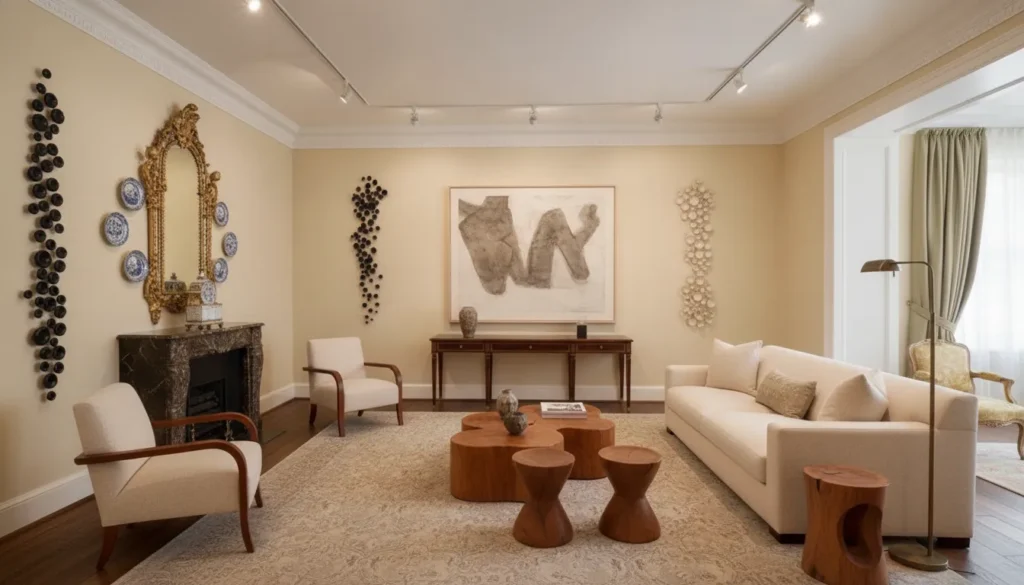
For a serious private collection, the right interior designer does more than place art on finished walls. The designer must understand how proportion, natural light, materials, circulation, and furnishings can support the collection while preserving the character of the home. The best work begins with the art and the collector, then develops into a discreet, livable interior.
Contact CW DESIGN to discuss an on-site conversation about your collection.
The best interior designers for private art collections treat artwork as the starting point for a bespoke, whole-home scheme. They combine collection-aware judgment with documented training, conservation-minded coordination, and an on-site process that understands the residence before proposing a direction.
CW DESIGN calls this an Art-First Design: Creating Interiors Around Your Art Collection. A collection is not an accessory added at the end. It is a central influence on the rooms, thresholds, lighting, furnishings, and atmosphere around it.
What makes an interior designer qualified to work with a significant private collection?
A qualified designer connects the collection, the architecture, and daily life in one brief. The designer should understand scale, light, circulation, materials, installation, and the limits of interior design expertise, then coordinate with conservators, art advisors, or installers when specialized guidance is required.
A qualified designer needs more than a refined eye or a portfolio of attractive rooms. Significant collections bring together works with different scales, mediums, histories, and display requirements. The designer must be able to consider the art, architecture, daily life, and long-term care of the residence as one connected brief.
Collection-first judgment begins on site
An on-site visit reveals qualities that plans and photographs cannot fully convey. The changing direction of light, the proportions of the walls, and the relationship between rooms all affect how a work is experienced. A designer can also understand the atmosphere the collector wants to create, rather than treating the home as a neutral container.
This may lead to a quiet room around a demanding work, a carefully framed sightline between spaces, or furnishings that establish balance without competing with the collection. The goal is not to turn a residence into a commercial gallery. It is to make the art feel integral to a home that remains comfortable, personal, and sophisticated.
Art-care awareness informs design decisions
An interior designer does not replace a conservator, registrar, or art advisor. The designer should, however, recognize when lighting, framing, window treatments, wall construction, handling, or nearby materials have implications for preservation. The Library of Congress collection-care guidance identifies appropriate matting and framing and limiting light exposure as important considerations.
The New York State Museum’s home collection resources likewise address textiles, art objects, prints, photographs, lighting, and pests. A strong designer brings these questions into the conversation early and coordinates with the appropriate specialist when technical expertise is needed.
Which credentials and experience distinguish a collection specialist?
The strongest credentials are those that improve judgment about interiors, objects, materials, and collaboration. Collectors should look for documented training, relevant experience, and a process that shows the designer can coordinate a collection with the architecture and the demands of a complete residence.
Credentials matter when they deepen practical judgment. Collectors should look for a designer whose training and experience extend beyond surface styling into objects, materials, construction, artistic context, and the coordination required by a complete residence. The most useful evidence is not a list of labels. It is the way the designer explains decisions and responds to the collection.
Look for multidisciplinary understanding
Catherine Weinstock’s documented background combines Interior Design, Furniture Restoration, and Fine Arts, supported by years of study in Europe. That combination creates a valuable lens for a collection-led commission. It allows the conversation to include the proportion of a room and the character of a frame. It also considers the relationship between an artwork and a restored or bespoke piece of furniture, plus the way a sequence of spaces is experienced.
This background does not replace a conservator, curator, or art advisor. It helps the designer understand when those specialists should be involved and how their requirements fit within a larger design direction. For a collector, that distinction is important. The designer should be an informed coordinator, not someone making unsupported claims about conservation or provenance.
Experience should be visible in the questions asked
A collection specialist should want to understand the actual property and the actual collection. Ask what the designer needs to see before developing recommendations. Ask how the team studies scale, light, sightlines, circulation, installation routes, and the way the household lives. Patience before specification is often a stronger sign of experience than a rapid presentation of finishes.
For a whole-home or entire-apartment commission, experience also means creating continuity without making every room identical. Furniture, finishes, lighting, and thresholds should support daily life while giving the collection a coherent presence. Review the firm’s documented multidisciplinary approach and look for a clear connection between its training, process, and completed work.
How should you evaluate a designer’s approach to art integration?
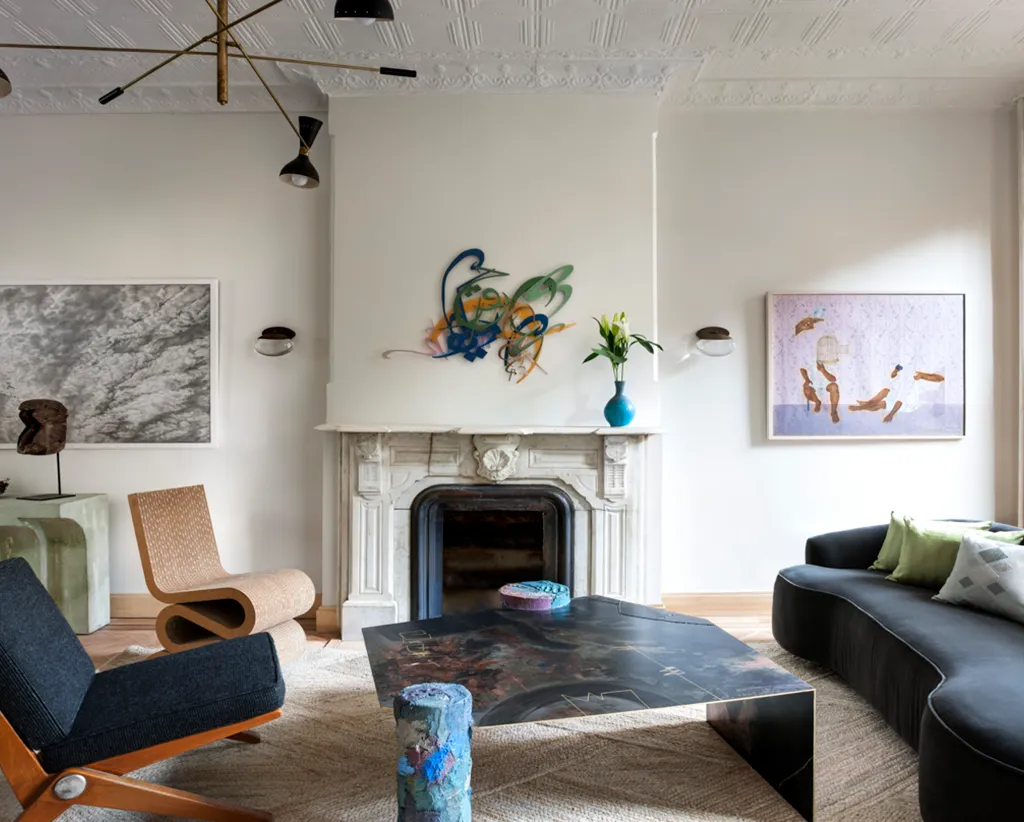
Evaluate whether the designer can explain how the collection will influence proportion, circulation, lighting, materials, and furnishings before the room scheme is fixed. A thoughtful process respects the art’s meaning and care requirements while creating a warm, livable home rather than a generic gallery.
When comparing the best interior designers for private art collections, study the sequence of decisions. Does the work appear to shape the rooms, or does it seem to have been added after the interiors were already resolved? CW DESIGN’s project portfolio is one place to examine how timeless motifs, craftsmanship, and individual client identity can coexist.
| Evaluate | What to look for |
|---|---|
| Collection understanding | Strong: the designer discusses relationships, scale, medium, and meaning before proposing a room scheme. Weak: artwork is treated as interchangeable decoration or a final styling layer. |
| Preservation awareness | Strong: light, framing, materials, handling, and placement are considered together. Weak: display choices are proposed without discussing potential risks or specialist input. |
| Whole-home judgment | Strong: rooms, thresholds, furnishings, and sightlines form one discreet, livable experience. Weak: each room is styled independently, without a relationship to the collection or architecture. |
Provenance is another useful test of seriousness. Yale’s provenance research guide explains why a work’s history and ownership records matter. A designer need not conduct that research personally, but should respect the context supplied by the collector’s trusted advisors and allow it to inform presentation.
What questions should you ask a prospective designer?
Ask where the collection enters the process, whether the designer will visit the property, how conservation-aware decisions are coordinated, and whether the practice can manage the commission. The answers should reveal listening, restraint, collaboration, and respect for the collector’s knowledge.
- Where does the collection enter your design process? Look for a clear explanation of how artwork influences proportion, sightlines, palette, circulation, and the character of each room.
- Will you visit the property before developing recommendations? An on-site visit allows the designer to understand natural light, architectural scale, existing conditions, routes for moving work, and the way rooms are used.
- How do you account for conservation-aware decisions? Ask about lighting, framing, installation, handling, and the point at which the designer coordinates with a conservator or other specialist.
- How will you collaborate with my art advisor, curator, architect, or installer? A thoughtful designer should clarify responsibilities and keep aesthetic decisions aligned with technical requirements.
- What scope suits your way of working? Discuss whether the designer is prepared for a single room, an entire apartment, a house, or a longer-running whole-home commission.
- How will decisions and revisions be communicated? Ask who will be your principal contact and when you will review drawings, samples, placements, and revisions.
These questions distinguish a designer who can place art attractively from one prepared to build a considered setting around a collection.
Why does a collection-first brief matter in an art-collector commission?
A collection-first brief records the art, architecture, household, practical requirements, and desired atmosphere before isolated design choices are made. It gives a whole-home commission a coherent direction and helps every specialist work toward the same result.
A collection-first brief is more than a list of rooms, colors, or furniture references. It records what must be understood before design decisions are made. That includes the character of the collection, the architecture, the client’s habits, the property’s practical requirements, and the atmosphere the home should create around the work.
From individual works to whole-home curation
A private collection rarely belongs to one room alone. Paintings, sculpture, works on paper, furniture, and objects may require different settings, yet they should participate in one larger sequence. The brief helps identify where a work should command attention, where a quieter transition is appropriate, and how thresholds and everyday movement affect the experience.
This perspective is especially valuable when the commission encompasses an entire home or apartment. Instead of treating every room as a separate assignment, the designer can develop a continuous language of scale, craftsmanship, color, and restraint. The result should support the art without making the residence feel like a commercial gallery.
Craftsmanship and pace shape the result
CW DESIGN prioritizes a limited number of substantial commissions rather than a high-volume, trend-driven model. That deliberate pace gives a complex interior room for observation, sourcing, coordination, and refinement. Global artisan collaborations, including work associated with Francesco Perini, Patrick Naggar, and Gallery Fumi, can add bespoke elements that belong specifically to the architecture and the collector.
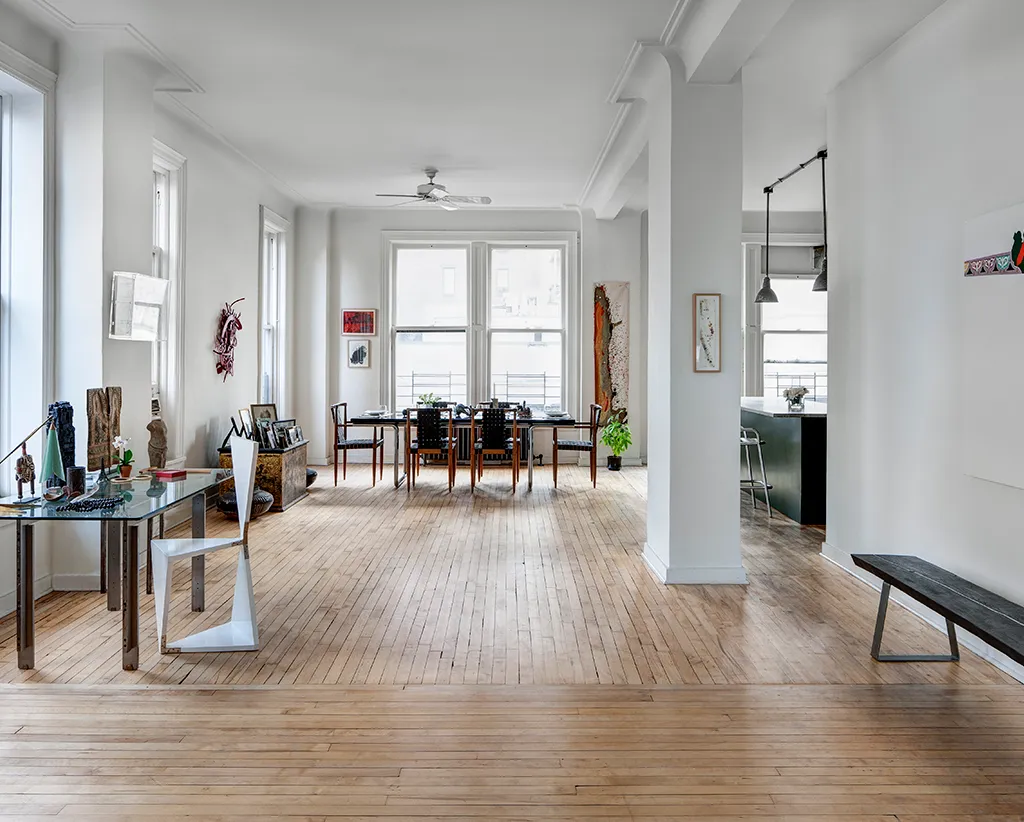
For collectors considering the best interior designers for private art collections, the brief is a useful test of fit. A strong designer wants to understand the whole commission before proposing isolated solutions, then connects artistic intent with the practical realities of living well among important work.
How do you choose among the best interior designers for private art collections?
Choose the designer whose process, training, aesthetic, scope, and on-site commitment align with both the collection and the life of the home. The best fit is the practice that can translate the collector’s knowledge into a coherent, timeless, and carefully coordinated residence.
For a New York collector, fit begins with the way a designer observes the art, the architecture, and the life that will unfold around both. Review work for proportion, material quality, restraint, and individual thought. Ask whether the designer can articulate how the collection will shape the entire residence, not only one entertaining room.
CW DESIGN is New York-focused and works on site, with a perspective shaped by projects in Brooklyn, Tribeca, Sands Point, New Jersey, London, and Dubai. The relevant question is whether the designer will visit the property, understand its character, and remain engaged for the level of detail the commission requires. Visit the CW DESIGN home page to understand the firm’s broader positioning.
Speak with CW DESIGN about a collection-first New York residence.
Contact CW DESIGN to discuss your collection-first project before commissioning.
Frequently Asked Questions
What should I ask before commissioning an interior designer for an art-filled home?
Ask how the designer studies your collection, assesses the architecture in person, coordinates installation, and collaborates with your art advisor, curator, conservator, or architect. Clarify whether the process suits a single room or a complete residence.
Does a private art collection change the interior design process?
Yes. A collection-first process begins with artwork rather than treating it as a final decorative layer. Scale, medium, sightlines, circulation, lighting, wall construction, and the character of each room should inform the design.
How can interior design support the care of artwork at home?
Design should account for framing, matting, light exposure, environmental conditions, handling, and installation. The designer should coordinate with conservators or other specialists whenever a collection’s requirements go beyond interior design expertise.
What credentials matter when choosing a designer for a private collection?
Look for relevant training and experience across interiors, objects, materials, and art. Catherine Weinstock’s documented training spans Interior Design, Furniture Restoration, and Fine Arts. This supports a broader understanding of both room and collection.
Is a New York designer suitable for a collection located elsewhere?
That depends on the designer’s working model and willingness to visit the property. Confirm the geographic fit and the expected level of on-site involvement. Also ask whether the practice can sustain the attention a whole-home commission requires.