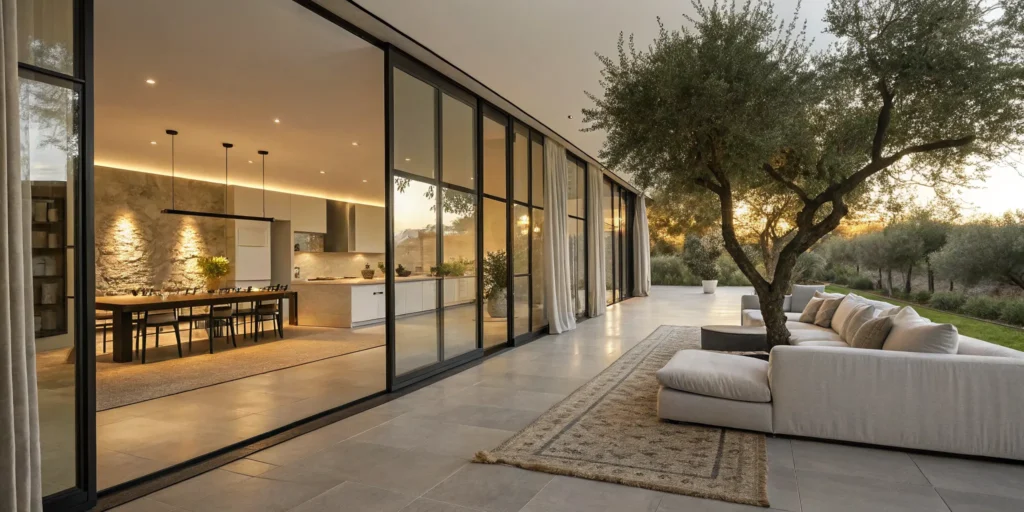
After years dominated by cool grays, open-plan layouts, and stark minimalism, the pendulum is swinging back. We are collectively craving warmth, texture, and the quiet luxury of privacy. The most defining interior design trends 2026 are a direct response to this desire, championing rich earth tones, natural materials you can feel, and defined, purpose-driven rooms. Our homes have become our offices, sanctuaries, and social hubs, and this evolution in design reflects a need for spaces that are more functional, intimate, and comforting. This guide explores how to embrace this new chapter in design.
Key Takeaways
- Curate a Personal Narrative: Move beyond generic trends by making art, vintage finds, and artisan pieces the foundation of your design. A truly timeless space tells your unique story and reflects a life well-lived.
- Focus on Natural Materials and Warmth: Create a sense of calm and comfort by using warm, earthy color palettes and layering organic textures. Materials like wood, stone, and linen ground your space and connect it to the natural world.
- Prioritize Intentional Spaces and Lasting Quality: Shift away from open-plan living by designing defined rooms with clear purposes. Invest in high-quality craftsmanship and seamless technology to create a functional, sophisticated home built to endure.
What’s Guiding Interior Design in 2026?
As we look ahead, the most significant shifts in interior design are less about a specific color or pattern and more about a feeling. There is a collective desire for our homes to be more than just beautiful; we want them to be personal, comfortable, and deeply connected to who we are. This movement prioritizes longevity and personal stories over fleeting fads, resulting in environments that are both current and timeless. It’s less about following rigid rules and more about creating spaces that support our lives with authenticity and warmth, a philosophy we hold dear in our own design work.
A Shift from Perfection to Personality
The era of the picture-perfect, untouchable showroom is giving way to spaces that feel real and lived-in. The goal is no longer to create a flawless backdrop for a photo, but to design a home that truly shows who you are. This means embracing the beauty of imperfection. Think hand-drawn patterns, artisanal objects with slight irregularities, and furniture that shows a history. These pieces add a human touch that feels especially important as our world becomes more digital. Your home should tell your story, reflecting your travels, passions, and experiences through the objects you choose to live with. It’s about curating a collection that is uniquely yours, creating a space filled with soul and character.
Designing with Warmth and Intention
The focus is turning inward, toward creating homes that feel comfortable, personal, and built to last. This translates to a warmer, quieter approach to design. Natural materials are taking center stage, used not as mere accents but as the foundational elements of a room. Think rich wood grains, textured stone, and organic fabrics that feel good to the touch. These materials age gracefully, adding character over time. The color palette follows suit, drawing inspiration from nature with creamy off-whites, sandy beiges, olive greens, and deep, earthy blues. The result is a serene and inviting atmosphere that feels like a true sanctuary from the outside world.
Discover the Defining Color Palettes of 2026
Color is one of the most powerful tools in design, capable of transforming a room’s entire mood. As we move forward, the color trends reflect a collective desire for spaces that feel warm, personal, and deeply comforting. We’re seeing a definitive shift away from the cool, stark grays and all-white interiors that once dominated, and a turn towards palettes that are rich, nuanced, and inspired by the natural world. It’s less about finding one perfect shade and more about creating an immersive experience.
This new direction embraces everything from gentle, earthy neutrals that create a serene backdrop to bold, moody hues that wrap a room in sophistication. Techniques like color drenching are gaining traction, offering a confident and cohesive way to make a statement. The focus is on creating environments that feel authentic and intentional, using color to tell a story and evoke a specific feeling, whether that’s tranquility, intimacy, or quiet luxury. As a firm that blends art and functionality, we see this thoughtful use of color as essential to creating spaces that are both timeless and deeply personal.
Warm Neutrals and Earthy Tones
The foundation of modern interiors is warming up considerably. We’re letting go of sterile whites in favor of creamy off-whites, sandy beiges, and soft taupes that feel instantly more inviting. These are complemented by a rich palette drawn directly from nature: think olive and eucalyptus green, deep oceanic blues, and the beautiful warmth of terra cotta, burgundy, and dusty pinks. These earthy tones have a grounding effect, helping to create a sense of calm and timelessness in any room. They serve as a sophisticated canvas that pairs beautifully with natural materials like wood, stone, and linen, allowing texture to play a leading role in the design.
Deep, Moody Accents
Don’t be afraid of the dark. Deeper, more saturated colors are being used to create spaces that feel like a cozy embrace. Think of rooms enveloped in soft black, charcoal gray, or deep, earthy shades of brown and green. Rather than making a space feel small, these moody hues create a sense of intimacy and drama, turning a simple room into a sophisticated retreat. These darker rooms are perfect for libraries, dens, or bedrooms, where they can serve as a calm escape from our busy world. The key is to balance the depth with warm lighting, plush textiles, and natural textures to ensure the space feels inviting and luxurious, not cavernous.
Color Drenching: Walls, Ceilings, and Trim
Color drenching is a bold and impactful technique where the walls, trim, doors, and even the ceiling are all painted in the same hue. This approach creates a seamless, cohesive look that can make a room feel both larger and more intimate at the same time. By erasing the traditional white boundaries of trim and ceilings, you create an immersive color experience that feels incredibly intentional and modern. This monochromatic trend works beautifully with both soft neutrals for a serene effect and with rich, saturated colors for a dramatic statement. It’s a sophisticated move that shows a true commitment to a chosen palette.
How to Layer Color with Confidence
Color isn’t just about paint. A truly dynamic space layers color through its materials, and one of the most elegant ways to do this is by mixing wood tones. The old rule of matching all your woods is officially retired. Instead, the focus is on intentionally combining different finishes, from light oak and pale maple to rich walnut and dark ebony. This practice adds depth and interest to a room, creating a layered, collected-over-time feel that is both natural and welcoming. The key is to find a common thread, such as undertone or grain style, to ensure the mix feels harmonious rather than haphazard.
Embrace Natural Materials and Textures
We’re seeing a significant move away from spaces that feel untouchable and toward environments that invite you to connect with them. The focus is shifting to materials that are not just seen but felt, creating rooms with depth, warmth, and a story to tell. Think less about flawless perfection and more about authentic character. Natural materials are no longer just small accents; they are becoming the foundational elements of a room. This approach celebrates the inherent beauty of materials that age gracefully and show signs of a life well-lived.
This trend is about creating a sensory experience. It’s the feeling of cool stone underfoot, the texture of a plaster wall, or the warmth of a well-worn wooden table. By layering these elements, you build a space that feels grounded, personal, and deeply comforting. It’s a design philosophy that values the unique imperfections found in nature and craftsmanship, creating homes that are as functional as they are soulful. This intentional use of materials is central to crafting a space that feels both contemporary and completely timeless.
Reclaimed Wood, Stone, and Organic Fabrics
Imagine the rich history in a piece of reclaimed wood or the solid, grounding presence of a natural stone hearth. These materials bring an irreplaceable sense of authenticity and warmth into a home. We’re using warm woods, marbles with dramatic veining, and rugged stones to create focal points that feel both raw and refined. Complementing these harder surfaces are organic fabrics like linen, wool, and textured bouclé. Draped over a sofa or hung as curtains, they soften the space and add a layer of cozy, touchable comfort that makes a room feel complete.
Aged Metals: Unlacquered Brass, Bronze, and Copper
The era of high-shine, static finishes is giving way to the quiet elegance of aged metals. Materials like unlacquered brass, bronze, and copper are being celebrated for their “living finishes,” which evolve over time. As they react to their environment, they develop a unique patina, a soft luster that adds a sense of history and character to everything from kitchen hardware to bathroom fixtures. This choice reflects a desire for objects that don’t just exist in a space but become a part of its story, growing more beautiful with age.
Handmade Tiles and Artisan Wall Finishes
Walls are being reimagined as canvases for texture and artistry. Perfectly uniform, factory-made tiles are being replaced by handmade tiles with subtle variations in color and glaze that catch the light beautifully. Beyond tile, artisan wall finishes like Venetian plaster, limewash, and tadelakt are gaining popularity for the soft, dimensional quality they bring to a room. These finishes provide a rich, tactile backdrop that feels more dynamic and personal than a simple coat of paint, turning a plain wall into a subtle work of art.
Choose Sustainable and Mindful Materials
Underpinning this entire trend is a more conscious approach to design. It’s about choosing “fewer but better things” and investing in quality and craftsmanship that endures. This means prioritizing well-made antiques, custom-built furniture, and pieces created with sustainable practices in mind. By selecting items with integrity, you not only create a healthier home but also a space filled with meaning. This philosophy champions a move away from the disposable, focusing instead on building a collection of beautiful, functional objects that you will cherish for years to come, reflecting a truly personal and sustainable approach to luxury.
How Furniture is Evolving in 2026
Furniture is becoming much more than just a functional object in a room; it’s becoming the storyteller. We’re seeing a clear shift away from stark, minimalist pieces and toward furniture with personality, history, and artistic flair. This evolution is all about creating spaces that feel collected and deeply personal, rather than staged or impersonal. It’s a celebration of craftsmanship, rich materials, and shapes that feel more human and inviting.
The focus is on pieces that can stand on their own as works of art, from a beautifully restored vintage sideboard to a modern sofa with soft, sculptural curves. This trend isn’t about filling a room with things, but about carefully selecting items that resonate with you and contribute to a layered, sophisticated atmosphere. It’s about mixing eras, textures, and forms to build a home that reflects a life well-lived. As we move forward, furniture is less about following a rigid set of rules and more about expressing individuality with confidence and warmth. This approach allows us to weave together diverse elements for results that are both timeless and contemporary, a core philosophy we cherish in our own design work. It’s about finding that perfect balance where every piece contributes to a cohesive, yet dynamic, whole.
The Appeal of Dark Woods and Vintage Pieces
For a long time, light and airy woods dominated interior design, but now we’re seeing a confident return to darker, richer tones. Think deep walnuts, mahoganies, and rosewoods that bring a sense of warmth, depth, and history to a space. These substantial woods ground a room and provide a beautiful contrast to lighter walls and textiles. The trend also champions unique wood grains and textures, with a special appreciation for reclaimed timber and the intricate, swirling patterns of burl wood. A single vintage or antique piece can completely change the feeling of a room, adding a layer of soul that new items often can’t replicate. It’s an opportunity to introduce a piece with a past and a story. According to Vogue, these vintage wooden items are key to creating interiors that feel timeless and curated. Whether it’s a mid-century credenza or an old farmhouse table, these pieces add character and prevent a home from feeling one-note.
How to Intentionally Mix Wood Tones and Eras
The idea of mixing different wood tones can feel intimidating, but it’s the secret to a dynamic and professionally designed space. Combining light, dark, warm, and cool woods adds incredible visual interest and prevents your design from falling flat. The key is to do it with intention. A simple way to start is by choosing one dominant wood tone to anchor the room, perhaps in your largest piece of furniture or the flooring. Then, you can introduce one or two other tones as accents. To ensure the mix feels cohesive, look for a common thread. For example, you could pair different woods that all have a similar warm or cool undertone. Another strategy is to use a rug to visually connect disparate wooden pieces, creating a unified foundation. This approach helps a space feel more natural and welcoming, as if it has been thoughtfully assembled over time. The goal is to add depth and interest without creating clutter.
The Return of Decorative Details
After years of clean lines and unadorned surfaces, decorative details are making a delightful comeback. Embellishments like fringe, tassels, and intricate trim are appearing on everything from sofa skirts and pillows to curtains and lampshades. These details are a nod to traditional craftsmanship and add a touch of softness and luxury to a room. It’s a simple way to make a piece of furniture feel more special and bespoke. This trend is less about over-the-top opulence and more about thoughtful, artistic touches. A bit of bullion fringe at the base of an armchair or a silky tassel on a cabinet key can add just the right amount of personality and flair. These flourishes are an easy way to introduce texture and a sense of playfulness into your design, transforming everyday items into conversation starters that highlight an appreciation for detail.
Incorporate Sculptural and Organic Forms
We are moving away from the sharp, boxy furniture that has been popular for years and embracing softer, more organic shapes. This trend is all about curves, from rounded sofas and circular coffee tables to arched cabinets and fluidly shaped lighting fixtures. These sculptural forms break up the hard lines in a room, creating a space that feels more gentle, welcoming, and natural. They mimic the imperfect shapes found in nature, which helps us feel more relaxed and at ease. Think of these pieces as functional sculptures. A chair with a gracefully curved back or a dining table with a uniquely shaped base can serve as the artistic focal point of a room. These forms are particularly effective in open-plan spaces, where their soft edges can help define zones without creating harsh visual barriers. Incorporating these flowing shapes is a powerful way to make your home feel more modern, artful, and connected to the natural world.
Create Wellness-Focused Spaces with Biophilic Design
Your home should be your sanctuary, a place that restores your energy and supports your well-being. This is the core idea behind biophilic design, a philosophy centered on connecting our indoor environments with the natural world. It’s about much more than adding a few houseplants to a room; it’s a holistic approach that uses nature-inspired elements to create spaces that feel genuinely calming and restorative. As we increasingly look to our homes for comfort and balance, designing for wellness has become a priority. By weaving natural elements into the fabric of your home, you can create an environment that not only looks beautiful but also nurtures your mind and body. This approach transforms a house into a deeply personal retreat that feels both sophisticated and grounded.
Using Greenery, Natural Light, and Organic Surfaces
Bringing the outdoors in starts with three key elements: light, greenery, and materials. Maximize natural light by keeping window treatments minimal or choosing sheer fabrics that diffuse sunlight beautifully. This simple change can instantly make a room feel more open and alive. Next, introduce organic textures that you can see and feel. Think reclaimed wood with a visible grain, cool stone surfaces, and soft fabrics like linen, wool, and cotton. These materials provide a tactile connection to the natural world. Finally, incorporate greenery thoughtfully. A large fiddle-leaf fig can act as a living sculpture, while a living wall can become a breathtaking focal point, purifying the air while adding vibrant texture and color to your space.
Design Dedicated Wellness Rooms
Imagine having a space in your home designed purely for relaxation and rejuvenation. This trend moves beyond the home office to include dedicated wellness rooms. This could be a serene corner for meditation, a cozy library for quiet reading, or a bathroom transformed into a spa-like retreat. Think about a deep soaking tub with a view of the garden, a rainfall shower surrounded by natural stone, or heated floors for ultimate comfort. Technology can play a supportive role here, but it should be seamless and subtle. Consider automated blinds that open with the morning sun, a sound system that plays calming ambient noise, or lighting that adjusts to support your natural circadian rhythm. The goal is to create an escape within your own walls.
How Biophilic Design Improves Well-Being
The appeal of biophilic design goes far beyond aesthetics; it’s rooted in its proven ability to enhance our well-being. Studies show that connecting with nature, even indoors, can lower stress levels, improve mood, and increase creativity. By surrounding yourself with natural light, materials, and plant life, you create an environment that feels inherently peaceful. This focus on creating comfortable, personal spaces is a move away from chasing fleeting trends and toward investing in a home that truly supports your lifestyle. As a firm, we believe that true luxury lies in this kind of personalization. It’s about crafting a space that reflects who you are and nurtures you daily, a philosophy central to our approach to creating timeless, artful interiors.
Is This the End of Open-Plan Living?
For what feels like decades, the open-plan concept has reigned supreme. We tore down walls in pursuit of light, flow, and a sense of togetherness. And while there’s a certain beauty to that expansive feel, many of us are starting to feel the pull of a different kind of luxury: privacy. The pendulum is swinging back toward defined rooms, not as a return to a stuffy, formal past, but as a thoughtful response to our modern lives. Our homes have become our offices, gyms, and sanctuaries, and a single, cavernous space can’t always meet all those needs effectively.
This shift is about creating a home that works harder for you. It’s about carving out spaces with clear, distinct purposes that support your daily activities and personal rituals. Imagine a cozy library for quiet reading, a formal living room designed for elegant conversation away from kitchen clatter, or a dedicated music room where you can get lost in a melody. This movement reflects a deeper desire for our homes to be more than just beautiful backdrops; we want them to be functional, intimate environments that cater to our specific lifestyles. It’s a move away from one-size-fits-all design and toward a more personal, intentional way of living.
The Case for Defined, Purpose-Driven Rooms
The case for defined rooms is really a case for better living. Open layouts can be wonderful for entertaining, but on a daily basis, they can lead to a sensory overload of noise, sights, and smells. A dedicated room, on the other hand, creates a natural boundary. It allows for a quiet work call without the soundtrack of the television, or a peaceful dinner without staring at a sink full of dishes. As StyleBlueprint notes, rooms with clearer purposes become more useful and provide a welcome sense of privacy. This approach helps organize not just our homes, but our lives, creating designated zones for focus, relaxation, and connection.
Designing Libraries, Formal Rooms, and Intimate Spaces
This trend is bringing back some wonderful, classic spaces with a contemporary twist. We’re seeing a resurgence in designing intimate rooms that cater to personal needs, from home libraries to formal sitting rooms. These aren’t dusty, unused spaces. Instead, a modern library might feature rich, dark wood shelving, a sculptural armchair, and perfect lighting for getting lost in a book. A formal living room becomes a sophisticated, art-filled setting for cocktails and conversation, free from everyday distractions. As Vogue highlights, people want their homes to reflect their unique lifestyles, and creating these personal sanctuaries is the ultimate expression of that. It’s about designing a room around a passion, whether it’s reading, art, or simply quiet contemplation.
Integrate Smart Tech and Sustainable Design
The definition of a luxury home is expanding. While exquisite aesthetics and fine craftsmanship will always be paramount, today’s most forward-thinking spaces are also intelligent, responsive, and responsible. Integrating smart technology and sustainable principles is no longer an afterthought; it’s a core component of creating a home that truly serves its inhabitants. This isn’t about filling a house with gadgets or sacrificing style for eco-friendliness. Instead, it’s about a thoughtful fusion of form and function, where technology enhances well-being and sustainable choices reflect a commitment to quality and longevity.
This approach responds directly to a collective shift in how we want to live. We’re moving away from passive environments and toward spaces that actively support our lifestyles, anticipate our needs, and align with our values. A truly modern luxury home is one that simplifies daily routines through seamless automation, promotes health through mindful materials, and adapts to our changing lives with grace. By weaving these elements into the very fabric of the design, we create environments that are not only beautiful but also deeply personal and built for the future. It’s a holistic vision of design where innovation and intention go hand in hand.
Weave in Seamless Smart Home Technology
The best smart home technology is the kind you feel but don’t see. It’s about creating an intuitive environment that works for you behind the scenes. Think of lighting that syncs with your body’s natural circadian rhythm, climate control that learns your preferences for every room, or an audio system that delivers immersive sound from invisible speakers. Just as luxury travelers now have evolving expectations for personalized hotel stays, homeowners desire that same level of intuitive comfort at home. The goal is to integrate these systems so seamlessly that they feel like a natural extension of the architecture, enhancing daily life without ever cluttering the design.
Design Sustainably Without Sacrificing Style
Sustainability has officially shed its rustic reputation and is now a hallmark of high-end design. Choosing sustainable materials is a statement of quality and foresight, contributing to spaces that are not only healthier for you but also better for the planet. This can mean selecting reclaimed wood with a rich history, using non-toxic paints and finishes, or investing in energy-efficient appliances that are as beautiful as they are functional. These choices often maintain property value by marking a home as a quality asset. It’s about making mindful decisions that prioritize longevity and craftsmanship, proving that you never have to compromise on sophistication to design responsibly.
Create Flexible, Mixed-Use Spaces
Our homes need to work harder than ever before, and the traditional, single-purpose room is giving way to more dynamic layouts. With changing work patterns becoming a permanent fixture for many, the ability for a space to adapt is crucial. This is where thoughtful design comes in. A library can be designed with concealed outlets and task lighting to double as a focused workspace, while a guest room can incorporate a Murphy bed and fitness equipment to also serve as a private wellness area. Through clever solutions like custom built-ins, elegant room dividers, and versatile furniture, we can create flexible spaces that serve multiple functions without feeling cluttered or compromised.
How to Refresh Your Space Without a Full Renovation
A desire for change doesn’t always require a full-scale renovation. You can completely transform the feeling of a room with thoughtful, strategic updates that build upon the foundation you already have. It’s about layering in new textures, materials, and colors that add depth and reflect your personal story. These smaller adjustments can have a major impact, making your home feel fresh and current without the dust and disruption of a complete overhaul. Think of it as a design evolution, not a revolution. By focusing on a few key elements, you can create a space that feels both new and deeply personal.
Add Character with Textiles and Vintage Finds
A home’s true beauty comes from feeling lived-in and loved, not staged for a photoshoot. One of the best ways to achieve this is by layering in unique textiles and vintage pieces that tell a story. Instead of bare walls, consider using fabric art to add texture and visual interest. An antique tapestry, a beautifully stitched textile, or even a decorative rug hung as a statement piece can bring incredible warmth and personality to a room. Mixing these softer elements with restored furniture or vintage finds creates a sense of history, making your space feel as if it has been thoughtfully collected over time.
Add Natural Materials Through Accessories
Embracing natural materials doesn’t mean you have to install new stone countertops or hardwood floors. You can easily incorporate this trend through carefully chosen accessories that add an organic, tactile quality to your space. This approach combines natural materials with an elegant feel, grounding your design in authenticity. Look for opportunities to introduce rich wood, stone with beautiful veining, and handmade ceramics. A heavy marble tray on an ottoman, a sculptural wooden bowl on a console table, or plaster-finished vases can serve as functional art, bringing a touch of nature indoors in a sophisticated and intentional way.
Use Bold Color as a Focal Point
Color is a powerful tool for changing the mood of a room, and you don’t need to commit to painting every wall to make a statement. Using a bold color as a focal point can instantly energize your space. Consider painting a single accent wall, the inside of a bookshelf, or even a vintage piece of furniture in one of the warm, nature-inspired hues that are defining the year, like a deep olive green, rich terra cotta, or moody blue. For a more immersive experience, you could try “color drenching” a smaller space like a powder room or study by painting the walls, trim, and ceiling all in the same shade for a soft yet dramatic effect.
The Central Role of Art and Global Craftsmanship
A truly sophisticated space tells a story, and that story is being told through art and craftsmanship. We’re seeing a definitive move away from generic, mass-produced decor and toward pieces that have a soul and a point of view. This is about curating a home that reflects your personal journey and taste. At its core, this trend is about celebrating the human touch, whether it’s through a powerful painting, a hand-carved chair, or a vintage textile. It’s a philosophy we deeply believe in, weaving art and global artisanship into the very fabric of our designs to create environments that are both timeless and deeply personal.
Make Art the Anchor of Your Design
Instead of treating art as a final accessory, let it be the foundation of your room. A home should feel loved and lived-in, not like a sterile showroom. Start with a piece of art you truly connect with, a painting, sculpture, or photograph, and let it guide your design choices. The colors in the artwork can inform your palette for the walls, furniture, and textiles. The mood of the piece can set the tone for the entire space. This approach ensures your home has character and feels collected over time. According to Vogue, the focus is on character over perfect matching, creating a space that is an authentic reflection of your life.
Spotlight on Artisan and Bespoke Pieces
There is a growing appreciation for the beauty of imperfection. We’re drawn to handmade and bespoke items where you can see the artist’s touch. Think of the subtle variations in hand-blown glass, the unique grain of carved wood, or the charming irregularity of a hand-drawn pattern on a ceramic tile. These small “flaws” are what give a piece its soul and story. Investing in artisan-made furniture and decor is a way to bring a sense of history and humanity into your home. These are the pieces that stand the test of time, becoming modern heirlooms that make your space entirely your own.
Use Textile Art as a Statement Piece
Textiles are stepping off the floor and onto the walls as major statement pieces. Hanging an antique tapestry, a piece of stitched art, or even a beautiful vintage fabric can introduce incredible texture, color, and warmth into a room. As noted by StyleBlueprint, textile wall hangings are a fantastic way to create a unique focal point. For a truly tactile experience, hang them without a glass frame so you can appreciate their texture up close. This adds a layer of softness and history that can make a modern room feel more grounded and an older room feel even richer.
What Makes a Design Truly Timeless?
A truly timeless space is one that transcends fleeting trends because it’s built on a foundation of personal meaning and exceptional quality. It’s less about following a specific design formula and more about creating an environment that feels authentic to you and is crafted to endure. This approach is about curating a home that tells your story, filled with pieces that will be just as beautiful and relevant in twenty years as they are today. It’s a commitment to creating a personal legacy, not just a fashionable interior. By focusing on personalization and craftsmanship, you can design a home that feels both current and classic, a space that will continue to evolve with you.
Why Personalization Is the Ultimate Luxury
Your home should be the most accurate reflection of who you are. As the world becomes more standardized, the real definition of luxury is a space that tells a unique story. This is where the human touch becomes essential. A home filled with personal history feels layered, warm, and deeply resonant. Instead of chasing a showroom look, consider how you can weave your own narrative into your rooms. Integrate that cherished family heirloom, display the vintage piece you found on a memorable trip, and choose art that genuinely moves you. These are the elements that give a home its soul, creating a sanctuary that is impossible to replicate because it is entirely your own.
Invest in Quality and Craftsmanship Over Trends
To support a personal and timeless design, the pieces you choose must be built to last. This means shifting your focus from what’s momentarily in style to the enduring appeal of quality and craftsmanship. Investing in well-made items is one of the smartest decisions you can make for your home. Opt for custom-made furniture or beautifully restored pieces over mass-produced items that will quickly show their age. Embrace natural materials that feel real to the touch and only get better with time, like solid wood, stone, and handmade textiles. These materials bring texture and a sense of permanence, grounding your space with an integrity that trendy decor simply cannot match.
Frequently Asked Questions
How can I make my home feel more personal without it looking cluttered? The key is intentional curation, not just collection. A personal home tells a story through carefully chosen objects, while a cluttered one is often just filled with things. Start by focusing on pieces that have genuine meaning for you, like a piece of art from a trip or a beautifully crafted object. Then, give those items room to breathe. Instead of filling every surface, create thoughtful arrangements that allow each piece to be seen and appreciated. It’s about editing your possessions down to what you truly love and value.
I’m nervous about mixing different wood tones. What’s a simple rule to follow? This is a common concern, but it’s easier than you think. The secret to a harmonious mix is finding a common thread. A great way to start is by choosing one dominant wood tone for the room, perhaps in your flooring or largest piece of furniture. Then, you can introduce one or two other wood finishes as accents. To make sure they work together, try to match their undertones. For example, pair woods that all have a warm, reddish quality, or stick to woods with cooler, ashy undertones. This creates a layered, sophisticated look that feels deliberate, not accidental.
My home has an open-plan layout. Do I need to build walls to make it feel current? Absolutely not. The shift toward more defined spaces isn’t about getting rid of open layouts, it’s about making them more functional. You can create the feeling of separate “rooms” without any construction. Use large area rugs to anchor different zones, like the living and dining areas. Arrange your furniture into purposeful groupings that encourage conversation or relaxation. You can also use a beautiful screen, an open-backed bookshelf, or a sculptural console table to create a visual separation that adds interest without blocking light or flow.
How do I use dark, moody colors without making a room feel small and gloomy? Using dark colors effectively is all about creating balance with light and texture. A room painted in a deep charcoal or forest green can feel incredibly cozy and sophisticated, not cavernous. The trick is to layer in plenty of warm, ambient lighting from different sources like table lamps and floor lamps. Also, introduce contrasting textures to add dimension. Think of a plush velvet sofa, a soft wool rug, and the soft sheen of aged brass fixtures. These elements will catch the light and prevent the deep color from feeling flat, resulting in a rich, inviting space.
If I only do one thing to update my space, what would have the biggest impact? Invest in a significant piece of art. Art has the power to set the entire tone for a room and serve as the foundation for your design. Instead of treating it as an afterthought, find a painting, sculpture, or photograph that you truly connect with. You can then pull colors from the artwork to inspire your palette for pillows, throws, or even an accent wall. A single, meaningful piece of art can instantly make a space feel more soulful, personal, and complete.