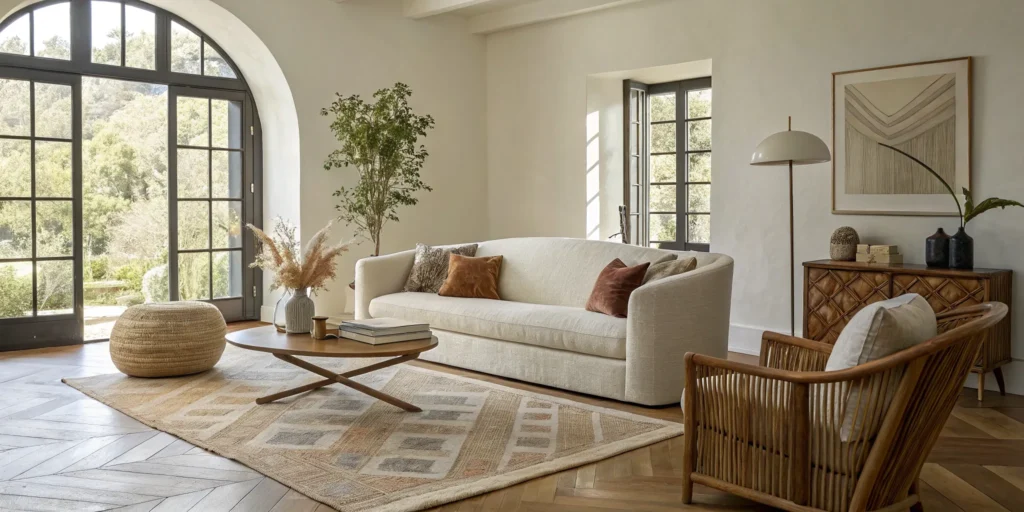
Do you find yourself drawn to a sleek contemporary sofa, but also a rustic antique armoire? Do you collect art and objects on your travels that don’t fit into one specific design box? If so, you’re not indecisive; you have an eclectic spirit. This is where eclectic interior design comes in. It’s a style that celebrates your unique journey and diverse tastes, giving you permission to create a home that is a true biography of your life. It’s about thoughtfully combining furniture, art, and objects you love into a harmonious whole. This guide will show you how to master that mix, turning your collection of treasures into a sophisticated and deeply personal space.
Key Takeaways
- Find a Unifying Thread: A successful eclectic space feels intentional, not random. Create cohesion by repeating a specific color, material, or even a mood throughout the room, which ties your diverse pieces together into a harmonious story.
- Master the Art of the Mix: Create visual energy by pairing contrasting elements. Combine furniture from different eras, layer hard surfaces like marble with soft textiles like velvet, and mix large-scale patterns with smaller ones to give your space depth and personality.
- Tell Your Story with Objects: Your space should be a gallery of your life, so showcase pieces with personal meaning. Integrate fine art, restored family heirlooms, and unique travel finds to create an environment that is a true reflection of your experiences and passions.
What Is Eclectic Interior Design?
At its heart, eclectic interior design is the art of mixing, not matching. It’s a confident and curated style that pulls together elements from different time periods, design movements, and cultural backgrounds to create a space that is uniquely yours. Think of it as a beautifully composed story, where a vintage armchair can have a conversation with a modern sculpture, and a rustic farmhouse table can feel right at home under a glamorous crystal chandelier. This approach frees you from the strict rules of a single design style, like pure minimalism or traditional decor, allowing for a much more personal and dynamic environment.
The key to a successful eclectic space isn’t just collecting things you love; it’s about how you put them together. It requires a thoughtful eye to find the harmony between disparate objects, creating a cohesive look through the use of color, texture, and scale. When done well, an eclectic room feels layered, interesting, and deeply authentic. It’s a celebration of contrast and personality, blending old with new and refined with rustic to build a home that feels both collected over time and perfectly suited for the present. This is a style for those who appreciate artistry and want their home to be a true reflection of their life and travels.
How Is It Different from Other Styles?
The most common misconception about eclectic design is that it’s a free-for-all, an excuse to fill a room with random objects. In reality, it’s the opposite. While styles like mid-century modern or coastal follow a specific formula, eclectic design is defined by its careful curation. It’s the difference between a thoughtfully assembled gallery wall and a cluttered bulletin board. The entire process is an exercise in purposeful editing, where every piece is chosen for its ability to contribute to the overall vision. A unifying element, such as a consistent color palette or a repeated pattern, often acts as the thread that ties everything together, ensuring the final look is harmonious, not chaotic.
Why It’s All About Your Personal Story
More than any other style, eclectic design is a biography written in furniture, art, and objects. It’s the perfect canvas to display your personal history and passions. That antique mirror you inherited from your grandmother, the vibrant textile you found on a trip to Morocco, and the sleek, contemporary sofa you just had to have can all share the same space. This style gives you permission to showcase your collections and tell your story. Your home becomes a living gallery of your experiences, tastes, and memories. It’s this deeply personal layer that transforms a house into a home, creating an environment that is not only beautiful but also rich with meaning and completely individual to you.
What Defines an Eclectic Look?
Eclectic design is often misunderstood as a chaotic mix of everything, but it’s actually a highly intentional and curated approach. Think of it as a conversation between different pieces, where each one has a unique voice but contributes to a harmonious whole. It’s about telling your story by thoughtfully combining elements from different periods, styles, and cultures. The magic lies in the balance, creating a space that feels both deeply personal and artistically cohesive. When done right, an eclectic interior is a testament to your unique journey and taste, blending the unexpected to create something truly memorable. It’s less about following strict rules and more about developing an eye for what works together.
Mix Eras and Styles
At its heart, eclectic design is a celebration of contrast. It’s about pairing a sleek, modern sofa with a rustic, antique coffee table or placing a mid-century modern chair next to a traditional Victorian fireplace. The goal is to select the best features from various design movements to create a space that feels layered and timeless. This could mean leaning into a “boho eclectic” vibe with rich textures and natural materials, or a more “glam eclectic” look that incorporates luxe, polished finishes. By juxtaposing different styles, you create visual interest and a dynamic energy that prevents the room from feeling one-dimensional. It’s a beautiful way to honor both the past and the present in your home.
Use Color with Confidence
Color is the thread that ties an eclectic room together. While you have the freedom to be bold, a strategic approach is key. Many successful eclectic spaces start with a neutral foundation, like soft whites, grays, or beiges on the walls. This calm backdrop allows your more vibrant pieces to truly shine without overwhelming the senses. From there, you can introduce a palette of richer accent colors through furniture, art, and textiles. Think deep indigos, earthy olive greens, or muted jewel tones. The secret is to choose one or two dominant colors to repeat throughout the space, which creates a sense of rhythm and cohesion, even when styles and patterns vary.
Layer Textures and Materials
Texture is what gives an eclectic space its soul and depth. It invites you to not only see the room but to feel it. The key is to create compelling contrasts by layering a variety of materials. Imagine the smooth, cool surface of a marble tabletop against the warmth of a hand-knotted wool rug, or the sleekness of a leather armchair softened by a plush velvet cushion. Our work with furniture restoration often involves reviving pieces with unique patinas that add irreplaceable character. Mixing these different tactile elements, from rough-hewn wood to polished metal and woven fabrics, makes a room feel rich, inviting, and thoughtfully assembled.
Play with Patterns
Pattern adds personality and movement to an eclectic interior. While mixing patterns might seem daunting, a few simple guidelines can make it feel effortless and fun. The most important principle is to vary the scale. Combine a large-scale pattern, like a bold geometric rug, with a medium-scale one, such as floral drapery, and a small-scale print on your throw pillows. This variation allows each pattern to stand out without competing for attention. You can introduce these elements through textiles, wallpaper, or art. By sticking to a consistent color palette across your chosen patterns, you’ll ensure the final look feels connected and intentional rather than chaotic.
Modern Takes on Eclectic Luxury
Eclectic design has evolved far beyond its bohemian roots. Today’s luxury take on this style is less about random collections and more about a thoughtful, artistic fusion that feels both personal and worldly. It’s a sophisticated approach that allows you to create a space that tells your unique story with elegance and confidence. Instead of adhering to a single era or aesthetic, modern eclectic luxury is about curating a collection of furniture, art, and objects that you love, and then arranging them in a way that feels intentional and harmonious. This style is perfect for those who appreciate craftsmanship, have a story to tell, and see their home as a canvas for self-expression.
This modern interpretation is defined by three key pillars: daring color choices that set a mood, a blend of cultural artifacts that add depth and narrative, and the dynamic interplay between vintage character and contemporary art. It’s about creating a home that is as much a gallery of your life as it is a place of comfort and function. By mastering this balance, you can design an environment that is layered, interesting, and completely one-of-a-kind, reflecting a life well-lived and a keen eye for beauty.
Embrace Bold, Expressive Color
Forget the all-white, minimalist spaces of the past. Modern eclectic luxury welcomes color with open arms. Using a rich, saturated hue on your walls or a large piece of furniture can create a dramatic and inviting backdrop for the rest of your design. Bold, expressive choices are a powerful way to inject your personality into a room and make it feel truly your own. You could paint a library in a deep emerald green, choose a sofa in a vibrant sapphire blue, or hang oversized abstract art that bursts with color. The key is to use color intentionally to evoke a specific mood and create a space that feels both exciting and harmonious.
Weave in Global and Cultural Finds
A well-traveled life provides the perfect source material for an eclectic home. Integrating pieces from different cultures adds layers of history, texture, and personal narrative to your space. Today’s luxury interiors often reflect a blend of global influences, moving beyond a single design style to create something more distinctive. This is a philosophy we cherish at CW DESIGN, where we often collaborate with artisans from around the world. A hand-woven Moroccan rug, a carved wooden screen from Bali, or a collection of ceramics from a trip to Japan can serve as beautiful focal points that tell a story and showcase a worldly perspective.
Pair Vintage Pieces with Contemporary Art
The magic of eclectic design often lies in the conversation between the past and the present. Pairing a beautifully restored vintage credenza with a sharp, contemporary painting creates a visual dynamic that is both compelling and sophisticated. This mix of old and new is essential for building a room’s character; it prevents the space from feeling like a sterile showroom. An antique Louis XVI chair reupholstered in a modern fabric or a sleek, minimalist coffee table placed next to a weathered leather armchair can create a sense of timelessness. This juxtaposition highlights the unique beauty of each piece while contributing to a cohesive, curated whole.
How to Create a Cohesive Eclectic Space
Creating an eclectic space that feels curated rather than chaotic is an art form. The goal is to build a room that tells your unique story through a thoughtful mix of objects, textures, and styles. It’s about finding harmony in diversity and ensuring every piece contributes to a unified, personal narrative. While it might seem like there are no rules, a successful eclectic design relies on a few key principles to create a sense of order and intention. These guidelines will help you layer your favorite pieces in a way that feels both expressive and beautifully put together.
Start with a Neutral Foundation
Think of your room as a canvas. To make your diverse collection of furniture and art truly stand out, it helps to start with a quiet background. Keep your walls or large anchor items, like a sofa or a significant rug, in neutral tones. This doesn’t have to mean plain white; soft grays, warm beiges, or even deep charcoals can create a sophisticated and calming foundation. This neutral base allows your more vibrant and varied accent pieces to capture attention without causing visual overload. It provides the breathing room necessary for each object’s unique character to shine, ensuring the space feels collected and serene, not cluttered.
Choose a Statement Piece
Every well-designed room needs a focal point, and in an eclectic space, this is your anchor. Choose one special piece of furniture or a significant work of art to serve as the star of the show. This could be a sculptural velvet sofa, a beautifully restored antique armoire, or a large-scale contemporary painting. Once you have your statement piece, you can build the rest of the room around it, selecting other items that complement its style, color, or form. This approach gives your design a clear sense of direction and makes the overall composition feel intentional and thoughtfully planned, rather than like a random assortment of things you love.
Balance Bold with Subtle
Eclectic design invites you to play with bold colors, patterns, and shapes, but the key to a successful look is balance. Not every item in the room can demand the spotlight. For every eye-catching piece, you need several quieter, more subtle elements to create visual rest. Think of it as a conversation: some voices are loud, while others are soft, and together they create a pleasant harmony. Make sure each object adds to the overall aesthetic without fighting for attention. This careful editing process is what separates a dynamic, layered interior from one that simply feels too busy or overwhelming.
Mix Furniture from Different Eras
One of the defining features of eclectic design is the artful combination of old and new. Don’t be afraid to mix furniture and decor from completely different time periods. Pairing a sleek, modern dining table with ornate vintage chairs or placing a mid-century modern credenza beneath a classic oil painting can create a fascinating and dynamic tension. This blend of styles tells a richer story, suggesting a collection that has been thoughtfully acquired over time. At CW DESIGN, we often use our expertise in furniture restoration to give historic pieces new life, allowing them to sit beautifully alongside contemporary designs and create a truly timeless environment.
Add Art and Personal Objects
Your home should be a reflection of you, and nothing tells your story better than the art and objects you’ve collected. This is where the heart of an eclectic space truly lies. Weave in pieces that hold personal meaning, whether it’s a collection of ceramics from your travels, stacks of your favorite art books, or family heirlooms passed down through generations. These items infuse your space with personality and history. By integrating fine art with personal mementos, you create a layered interior that feels deeply connected to your life and experiences, turning your home into a living gallery of your personal journey.
Display Your Collections with Intention
When you have a collection of beloved objects, how you display them is just as important as the items themselves. To keep your arrangements from looking messy, group pieces together with a common thread. You can organize items by a similar color, material, or theme to create a cohesive and impactful vignette. For example, a cluster of blue and white porcelain on a console table or a gallery wall of black-and-white photographs creates a stronger statement than scattering them throughout the room. This intentional curation transforms a simple collection into a deliberate design moment, showcasing your treasures in a way that feels both organized and artful.
How to Mix Patterns Without the Chaos
Mixing patterns is one of the most exciting parts of creating an eclectic space, but it can also feel like the quickest way to create visual noise. The secret isn’t to shy away from bold combinations; it’s to approach them with a clear strategy. When done thoughtfully, a mix of patterns adds incredible depth, personality, and a sense of history to a room. It’s about creating a conversation between different elements, not a shouting match. By focusing on two key principles, scale and color, you can layer patterns like a pro, ensuring your space feels curated and harmonious, not chaotic. This approach allows you to express your unique story through textiles and prints while maintaining a sophisticated and cohesive environment.
Vary the Scale of Your Patterns
The most effective way to combine patterns is to think like a photographer composing a shot, paying close attention to scale. A successful mix almost always includes patterns of varying sizes: large, medium, and small. Start with a dominant, large-scale pattern, perhaps on an area rug or a statement wallpaper. Then, introduce a medium-scale pattern, like a geometric print on your curtains. Finally, sprinkle in small-scale patterns through accent pieces like throw pillows or lampshades. This variation creates a visual rhythm and allows the eye to move comfortably around the room. Each pattern gets its moment to shine without overwhelming the others, resulting in a look that is both dynamic and balanced. This guide to mixing patterns offers great visual examples.
Stick to a Cohesive Color Palette
Color is the thread that ties your entire design together. Even the most diverse patterns will feel connected if they share a common color story. Before you start selecting prints, establish a clear color palette of three to five shades. Choose one dominant color to act as your foundation, which you might use on the walls or a large piece of furniture. Your other patterns should then pull from this palette. For example, a botanical print, a stripe, and an abstract design can all live happily in the same room if they all feature shades of your chosen emerald green, blush, and charcoal. This shared color scheme ensures the overall look is intentional and sophisticated, rather than random and cluttered.
How to Unify Your Space with Texture and Materials
Texture is the secret ingredient that brings an eclectic room to life, turning a visual concept into a rich sensory experience. While color and pattern capture the eye, texture and material invite touch and create a deeper sense of comfort and sophistication. A well-designed space feels as good as it looks. The interplay of different materials adds layers of interest and depth, preventing the design from feeling flat or one-dimensional. This is where you can truly express a worldly and curated aesthetic, blending elements in a way that feels both personal and polished.
Think of it as composing a symphony. Each material has its own note, and the goal is to arrange them into a harmonious chord. A room filled with only smooth, hard surfaces can feel cold and uninviting, while a room with too many soft textiles can feel cluttered. The magic happens in the contrast and balance. By thoughtfully selecting and layering materials, you create a cohesive narrative that ties together disparate styles and eras. This approach allows a 19th-century French armoire to coexist beautifully with a contemporary Italian sofa, unified by a shared commitment to quality craftsmanship and tactile appeal.
Combine Hard and Soft Surfaces
Creating a dynamic space is all about the art of contrast. Juxtaposing hard and soft surfaces is a foundational technique for adding dimension and preventing your room from feeling monotonous. Imagine the satisfying interplay between a sleek, polished marble coffee table and a plush, deep-pile wool rug beneath it. The coolness of the stone highlights the warmth and softness of the textile. You can apply this principle everywhere: pair a smooth leather armchair with a chunky knit throw, or set a rough-hewn wooden bowl on a glossy lacquered console. This tactile dialogue makes a room feel layered, considered, and incredibly inviting.
Integrate Global Finds Seamlessly
An eclectic home often tells the story of a life well-traveled, reflecting a global perspective through unique objects and textiles. The key to incorporating these treasures is integration, not just display. A hand-carved African stool shouldn’t feel like a museum piece; it can serve as a functional side table next to a modern sofa. A vintage Moroccan rug can provide the perfect, grounding foundation for a room filled with contemporary art and furniture. Look for common threads in color or form to connect these pieces to the rest of your space, ensuring they become part of a cohesive whole rather than isolated accents.
Balance Fine Art with Functional Pieces
In a truly sophisticated eclectic space, the line between art and function begins to blur. Your design should celebrate artistry in all its forms, from a significant painting on the wall to the sculptural form of a chair. Think beyond the gallery wall and consider how you can incorporate art into the very fabric of your room. A statement chandelier can act as a room’s centerpiece, while a collection of artisanal ceramics can bring personality to open shelving. Even everyday objects, when chosen for their beauty and craftsmanship, contribute to the artistic narrative of your home, telling a story that is uniquely yours.
Common Eclectic Design Mistakes to Avoid
The beauty of eclectic design is its freedom, but that same freedom can feel a bit daunting. It’s a style that requires a thoughtful eye to get right. When you’re mixing and matching, it’s easy to tip the scales from a beautifully curated collection into a space that just feels cluttered. The goal is to create a room that looks layered and personal, not random. Think of yourself as the editor of your own space, making deliberate choices about what to include and what to leave out. Our design philosophy centers on this very idea of intentional curation. By steering clear of a few common pitfalls, you can create an eclectic interior that feels both exciting and harmonious.
Don’t Overcrowd the Space
Eclectic style is not an excuse to fill every surface and corner with stuff. The key is curation, not accumulation. A well-designed eclectic room allows each unique piece to have its moment. Instead of lining your shelves with dozens of small trinkets, select a few items you truly love and give them room to breathe. Negative space is your friend; it provides a visual pause and helps draw attention to the objects you’ve chosen to display. An edited collection feels far more impactful and sophisticated than a room crowded with objects vying for attention.
Avoid Matching Furniture Sets
One of the quickest ways to undermine an eclectic look is by using a matching furniture set. A coordinated sofa, coffee table, and armchair combination straight from the showroom floor can make a room feel generic and removes the opportunity to inject your personality. Eclectic design thrives on the art of the mix. Pair a modern sofa with a vintage coffee table, or bring in chairs from different eras. This approach creates a dynamic, layered look that tells a story and feels collected over time. It’s about finding pieces that speak to you, not just ones that were designed to go together.
Pay Attention to Scale and Proportion
While you’re mixing pieces from different periods and styles, it’s essential to pay attention to how they relate to one another in size. This is where the principles of scale and proportion come into play. For example, a very low, deep mid-century sofa might look awkward next to a delicate, high-backed Victorian armchair. The pieces don’t have to match, but they should feel balanced in the space. A successful eclectic room creates a visual harmony where furniture of different styles can coexist because their proportions are compatible, creating a space that feels cohesive rather than disjointed.
Don’t Be Afraid of Color
A timid approach to color can leave an eclectic space feeling flat. If you’re drawn to this style, chances are you appreciate a bit of boldness, so let that show! Color can be one of the most effective tools for tying a room together. You don’t have to paint every wall a vibrant hue, but you should add color somewhere. This could be through a statement piece of furniture, a patterned rug, or a collection of expressive art. A confident use of color adds energy and personality, which are the cornerstones of a great eclectic interior.
Find a Common Thread
The secret to a cohesive eclectic space is establishing a common thread that weaves through the entire room. This unifying element is what makes your collection of disparate items feel intentional rather than accidental. Your common thread could be a consistent color palette, where different shades of blue appear in your rug, art, and upholstery. It could also be a recurring material like warm wood, a repeated pattern, or even a shared mood. This thoughtful curation and editing ensures your space feels harmonious and truly reflects your personal story.
Bringing the Eclectic Style to Any Room
Eclectic design isn’t a one-size-fits-all formula; its principles can be adapted to create a unique feel in any room of your home. Here’s how you can apply this curated approach to your living room, bedroom, and dining space.
The Eclectic Living Room
Your living room is the heart of your home, making it the perfect stage to showcase your personal story. Eclectic design thrives here by mixing different styles, time periods, and fabrics to create a space that feels both collected and cohesive. The key is to avoid a random, cluttered look by establishing a clear focal point. Choose one special item, like a striking piece of contemporary art or a beautifully restored vintage sofa, to anchor the room. From there, build around it with complementary furniture and objects that support your main piece. This intentional layering ensures the room feels thoughtfully composed and deeply personal, inviting conversation and admiration.
The Eclectic Bedroom
As your most personal retreat, the bedroom offers a wonderful opportunity to experiment with eclectic style. You can lean into a softer, bohemian vibe with rich textures and natural materials, or opt for a more glam aesthetic with sleek lines and luxe fabrics. The magic happens when you mix and match pieces from different eras. Consider pairing a modern, clean-lined bed frame with ornate, antique nightstands. Or, place a mid-century armchair in a corner for a quiet reading spot. This blend of old and new creates a space that feels layered and timeless. It’s about curating a sanctuary that is uniquely you, filled with pieces that bring you comfort and joy.
The Eclectic Dining Space
An eclectic dining space turns every meal into a memorable experience. The goal is to create an environment that feels dynamic and inviting, and texture is your best friend in achieving this. Create compelling visual interest by pairing hard and soft surfaces. For example, you could place sleek leather dining chairs around a rustic wooden table or lay a plush, patterned rug beneath a smooth marble table. Don’t be afraid to mix and match your dining chairs, perhaps keeping them unified with a single color or material. A statement chandelier from a completely different design period can also serve as a brilliant focal point, adding a touch of unexpected drama and sophistication to your gatherings.
Is an Eclectic Style Right for You?
If you find yourself drawn to a 19th-century French settee, a contemporary abstract painting, and a hand-woven Moroccan rug all at once, the answer is likely yes. Eclectic design is for the collector, the storyteller, and the individual who believes a home should be a direct reflection of their life and experiences. It’s less about adhering to a single design doctrine and more about creating a unique space that tells your personal story. If the idea of a home filled with objects that hold meaning and memories appeals to you more than a perfectly matched furniture set, you’re already thinking like an eclectic designer.
This style is a great fit if you enjoy the process of thoughtful curation. It’s not about randomly throwing items together; it’s about making deliberate choices that result in a cohesive, layered look. Think of your home as a gallery of your life. Each piece, whether it’s a vintage find from a Parisian flea market or a modern sculpture from a New York gallery, is chosen because it resonates with you. This approach requires confidence and a willingness to experiment, but the result is a home that feels deeply personal and impossible to replicate.
Ultimately, an eclectic style is right for you if your main goal is to create a home that makes you feel comfortable and happy. It’s for those who aren’t afraid to mix high and low, old and new, and bold with subtle. If you want your space to evolve with you and serve as a backdrop for your life’s narrative, then embracing an eclectic approach will give you the freedom to build a truly authentic and inspiring environment.
Frequently Asked Questions
I love the idea of eclectic design, but I’m worried my home will just look cluttered. How do I avoid that? This is the most common concern, and it comes down to one word: editing. Think of yourself as the curator of your home, not just a collector. The goal is to make deliberate choices, ensuring each object has a purpose and enough space to be appreciated. A successful eclectic room uses negative space (empty areas on walls or surfaces) to create visual pauses. This allows your statement pieces to stand out and prevents the eye from feeling overwhelmed. It’s the difference between a thoughtful gallery and a storage unit.
Where is the best place to start when creating an eclectic room from scratch? The easiest way to begin is by establishing your foundation. You can do this by painting the walls a versatile neutral color, like a warm white or a soft gray, which creates a calm backdrop for your more varied pieces. Alternatively, you can start with one “hero” piece that you absolutely love. This could be a spectacular vintage rug, a sculptural sofa, or a large work of art. Once you have that anchor, you can make every other decision in relation to it, choosing items that complement its color, style, or mood.
Does every piece in an eclectic room need to be a high-end antique or designer item? Not at all. In fact, a room feels much more authentic and interesting when it includes a mix of high and low. The most compelling eclectic spaces blend investment furniture and fine art with personal mementos, travel finds, or even beautifully restored family heirlooms. The story behind an object and the character it brings to a room are often more important than its price tag. The true art is in combining these different elements in a way that feels personal and sophisticated.
The post mentions finding a “common thread.” Can you give some practical examples of what that means? Of course. A common thread is a unifying element that makes your diverse collection feel connected. The simplest thread is a consistent color palette; for instance, you could have shades of green appear in a patterned pillow, a ceramic lamp, and a piece of art. Another common thread could be a repeated material, like using warm brass for light fixtures, cabinet hardware, and picture frames. You could even unify a space with a consistent mood, such as creating a serene feeling through natural textures and soft, organic shapes.
How do I develop my own eclectic style instead of just copying a look I’ve seen? Your personal style will develop naturally if you focus on collecting things that genuinely resonate with you. Pay attention to the art, objects, and furniture you are consistently drawn to, even if they seem unrelated at first. Your style is hidden in your travel souvenirs, your favorite clothes, and the books on your shelves. Instead of trying to achieve a finished look overnight, enjoy the process of slowly acquiring pieces over time. A truly eclectic home is a biography of your life, and it should evolve right along with you. When you are ready to discuss a collection-led interior, contact CW DESIGN.