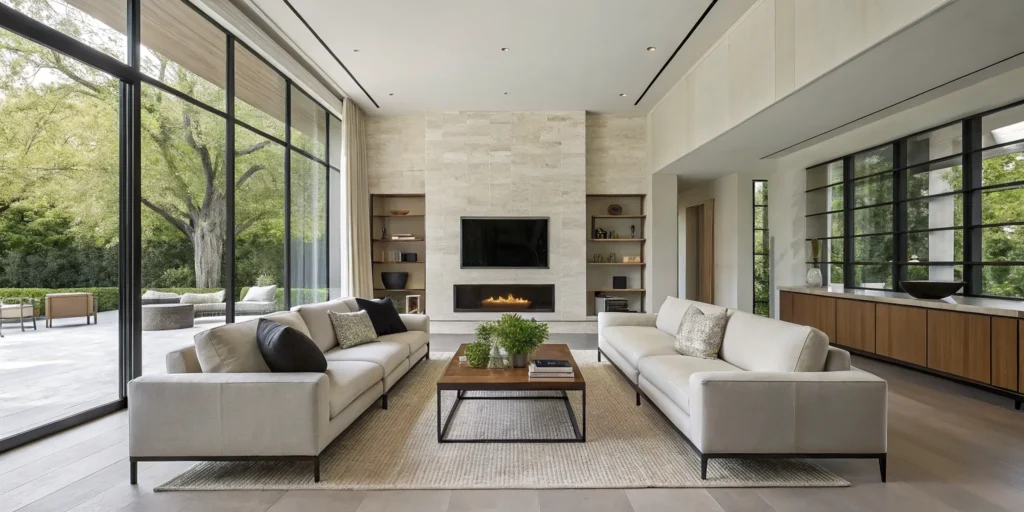
Your living room should tell your story. It’s a space that ought to reflect your travels, your passions, and the life you’ve built. But how do you translate a collection of meaningful objects and personal tastes into a cohesive and elegant design? The process is one of curation, not just decoration. It’s about finding the common thread that ties your favorite things together and building a sophisticated environment around them. This guide will show you how to create that narrative, from selecting statement artwork to layering textiles that add warmth and character. We’ll explore the key strategies for crafting a personal and polished living room home interior design that feels like a true reflection of you.
Key Takeaways
- Plan Before You Purchase: A successful living room starts with a solid plan, so determine your layout, focal point, and core color palette before buying anything to ensure every piece works together harmoniously.
- Invest in Personal, Quality Pieces: Focus on curating items that reflect your story and are built to last. True luxury is found in the craftsmanship of bespoke furniture and the personal meaning behind your art and decor.
- Build Atmosphere Through Layering: Create a rich, inviting space by layering essential elements; a thoughtful combination of lighting and varied textiles adds depth, comfort, and a sophisticated finish.
The Core Principles of Living Room Design
Before you select a single paint swatch or piece of furniture, it’s essential to understand the foundational principles that govern a well-designed space. Think of these as the architectural bones of your living room. Getting the layout, scale, and focal point right creates a harmonious canvas that makes every other decision easier and more impactful. These core tenets ensure your living room is not just a collection of beautiful objects, but a cohesive environment that feels intentional, balanced, and perfectly suited to your lifestyle. When we begin a project, we always start here, establishing a strong plan that guides the entire design process from start to finish. This methodical approach allows us to build layers of texture, color, and personality upon a solid, well-considered foundation, ensuring the final result is both stunning and livable.
Plan Your Layout and Furniture Arrangement
One of the most common missteps in living room design is pushing all the furniture against the walls. This creates a stiff, formal feeling and leaves a vast, unused space in the middle. Instead, think about creating intimate conversation areas. You can achieve this when you float your sofa and chairs away from the walls, arranging them closer together. This simple shift encourages connection and makes the room feel instantly more welcoming and functional. The goal is to design a layout that guides movement and use, establishing a natural sense of flow through the space rather than just around its edges.
Balance Scale and Proportion
Scale and proportion are all about relationships: the relationship of your furniture to the room, and to the other pieces within it. When furniture is too large for a space, it can feel cramped and overwhelming. Conversely, pieces that are too small can get lost, making the room feel sparse and unfinished. A well-proportioned room feels harmonious and settled. Consider the visual weight of each item. A delicate armchair might be overpowered by a heavy, dark wood coffee table. Achieving the right balance in your design ensures every piece works together to create a cohesive and comfortable whole.
Create a Focal Point
Every great room has a clear focal point that immediately draws the eye and anchors the design. This could be a structural element like a grand fireplace or a large window with a stunning view. If your room doesn’t have a natural focal point, you can create one. A significant piece of art, a dramatic light fixture, or a beautifully crafted media unit can serve this purpose perfectly. Once you’ve identified your focal point, arrange your primary seating to face it. This not only establishes a clear sense of order but also highlights what makes your space unique, turning a simple room into a statement about your personal approach to artistry and style.
How Do You Choose a Design Style for Your Living Room?
Your living room should be a direct reflection of your personality and lifestyle. Choosing a design style is the first step in creating a space that feels authentic to you. Think of these styles not as strict rules, but as frameworks to help articulate your vision. Whether you’re drawn to clean, modern lines or the rich character of collected treasures, the right style will serve as the foundation for a living room that is both beautiful and deeply personal. We can then build upon that foundation, weaving in the bespoke details and artistic touches that make a house feel like a home.
Modern and Minimalist
The modern and minimalist style is all about creating a sense of calm and sophistication. It prioritizes comfort and function without sacrificing an ounce of style. Think clean lines, uncluttered surfaces, and a neutral color palette that allows architectural details and high-quality materials to shine. Open-plan designs are a hallmark of this approach, creating a seamless flow that encourages connection and conversation. This isn’t about creating a cold or empty room; it’s about curating a serene environment where every piece has a purpose. This refined backdrop is the perfect canvas for showcasing a stunning piece of art or a beautifully crafted piece of furniture, making simplicity itself a powerful statement.
Traditional and Classic
For those who appreciate timeless elegance, a traditional or classic style offers a sense of history and grace. This look is far from dated; the “new traditional” style masterfully blends classic elements with contemporary touches for a fresh and relevant feel. Imagine a room with beautiful architectural details, like intricate crown molding or wainscoting, paired with a striking contemporary chandelier. This juxtaposition creates a dynamic and sophisticated space. It’s a style that honors the past while living firmly in the present, perfect for creating a warm, inviting atmosphere that feels both established and personal. It’s about building a room with layers of character that will never go out of style.
Eclectic and Bespoke
If you’re a collector at heart, an eclectic and bespoke style allows your personality to take center stage. This approach is about celebrating your unique story by artfully mixing different styles, eras, and textures. It’s the perfect way to infuse your personal style into a space, turning your living room into a gallery of your life. Secondhand pieces that have lived many lives can exude incredible character, and when placed alongside modern furnishings, they create a home that feels curated over time. The key is intentionality. A designer can help you find the thread that ties your collection together, ensuring the result is a harmonious reflection of you, not a chaotic mix of objects.
Bold and Expressive
A bold and expressive living room is for those who want to make a statement. This style is fearless, embracing vibrant colors, dynamic patterns, and unique shapes to create a space with undeniable energy and personality. Furniture with an atypical silhouette is a fantastic way to give your room some visual intrigue and spark conversation. This isn’t about being loud for the sake of it; it’s about using design to express a point of view. From a dramatic, sculptural light fixture to a richly colored velvet sofa, every element is chosen to contribute to a powerful and cohesive vision. It’s an opportunity to create a truly memorable space that feels both daring and deeply sophisticated.
Build a Cohesive Color Palette
Color is the soul of a room. It sets the mood, influences perception, and ties every element together into a single, harmonious story. Building a cohesive color palette is less about following rigid rules and more about creating an atmosphere that feels personal and intentional. Your living room is a space for expression, a place to test your favorite trends or lean into timeless elegance. The right palette serves as the foundation for everything else, from furniture to fine art.
A sophisticated color scheme is built in layers. It starts with a foundational base color that anchors the space. From there, you consider the interplay of natural light, which can dramatically alter a hue’s appearance throughout the day. The real magic, however, happens when you begin to layer complementary shades and textures, creating visual depth and interest. Finally, tying it all together with consistent wood tones and metal finishes ensures the entire room feels curated and complete. This thoughtful approach is central to our philosophy of weaving together diverse elements to create spaces that are both innovative and timeless.
Start With a Base Color
Every great color palette begins with a single, anchoring hue. This base color doesn’t have to be a neutral paint on the walls, though that is a classic starting point. It could be the rich emerald of a velvet sofa, the deep indigo of a vintage rug, or the complex tones within a favorite piece of art. Think about the feeling you want your living room to evoke. Are you aiming for a calm, serene retreat or a vibrant, energetic hub? Your base color is your first and most important decision in setting that tone. It will guide your subsequent choices and provide a backdrop for the rest of your design story.
Work With Natural Light
Light is a dynamic element in any room, and it has a profound effect on color. The same shade of paint can appear completely different in a sun-drenched, south-facing room compared to a cooler, north-facing one. Before committing to a color, it’s essential to observe how the light in your living room changes throughout the day. We always recommend testing paint swatches on multiple walls. This allows you to see how the color interacts with both direct and indirect light from morning to evening. Letting the room’s natural light guide your paint choices ensures your final palette looks just as beautiful at noon as it does by candlelight.
Layer Complementary Shades and Textures
A truly captivating room achieves its depth through subtle repetition and variation. Once you have your base color, the next step is to layer in complementary shades, tones, and textures. This doesn’t mean using the same color everywhere. Instead, you can introduce lighter tints and darker shades of your main colors to create a rich, monochromatic look. You can also bring in analogous colors (neighbors on the color wheel) for quiet contrast. Texture plays an equally important role. Mixing materials like linen, velvet, wool, and silk adds a tactile dimension that makes the space feel layered, inviting, and thoughtfully designed.
Keep Wood Tones and Finishes Consistent
The materials you choose are an integral part of your color palette. Wood tones, from pale oak to rich walnut, and metal finishes, like brass, nickel, or bronze, contribute significantly to the room’s overall warmth and character. To create a cohesive look, it’s best to select a dominant wood tone for your main furniture pieces. You can then introduce one or two other tones as accents. The same principle applies to metal finishes. Sticking to a primary finish for hardware, lighting, and accessories creates a sense of harmony and intention. Prioritizing natural materials like real timber and authentic metals also adds a layer of quality and craftsmanship that defines a luxurious space.
How to Choose Furniture: Balancing Form and Function
Selecting furniture is about more than just filling a room; it’s an exercise in curation. The most successful living rooms find a perfect harmony between form and function, where every piece is not only beautiful but also serves a purpose in your daily life. This balance is what transforms a space from simply being decorated to feeling thoughtfully designed and deeply personal. While your individual style will guide your choices, the principles of quality, proportion, and thoughtful selection are universal.
Choosing the right furniture is an opportunity to tell a story. It’s where you can express your personality through a sculptural armchair or a custom-built bookcase that houses your favorite collections. By focusing on pieces that are both aesthetically pleasing and practical, you create a foundation for a living room that is as comfortable as it is sophisticated. This approach ensures your space supports your lifestyle while reflecting a refined point of view. It’s about selecting items that resonate with you, pieces that you will not only use but also admire every day.
Invest in Statement Pieces
Every well-designed living room has a star. A statement piece is that one item of furniture that immediately draws the eye and sets the tone for the entire space. Think of it as the anchor around which all other elements orbit. This could be a striking sofa in a rich jewel tone, a sculptural chaise, or a unique coffee table that doubles as art. These pieces are investments in the character of your home, serving as focal points that command attention and express a confident design perspective.
When you invest in a statement piece, you’re choosing an item that you will love for years to come. It should be something that speaks to you on a personal level. We often begin a design project by identifying this key piece and then building the room’s layout and color palette around it. This ensures the final design feels intentional and centered, with a clear hero that defines the room’s identity and purpose.
Mix Materials, Finishes, and Textures
A room composed of only one or two textures can feel one-dimensional and sterile. The secret to creating a warm, inviting, and visually complex space lies in layering a variety of materials and finishes. Combining different textures adds depth and stimulates the senses, making a room feel rich and complete. This is where you can truly play with contrast: the smoothness of a marble tabletop against the grain of a wooden floor, or the softness of a velvet cushion on a structured leather sofa.
To achieve this layered effect, prioritize natural materials that offer inherent texture and quality. As a general rule, think wool over acrylic, real timber over MDF, and linen over polyester. The interplay between these elements creates a dynamic and engaging environment. By blending diverse materials sourced from skilled artisans, we can introduce a tactile quality that makes a room feel both luxurious and lived-in, adding a layer of soulfulness that mass-produced items simply cannot replicate.
What to Look for in High-Quality Furniture
Beautiful furniture should be built to last. While aesthetics are important, the true value of a piece lies in its construction and durability. Investing in high-quality furniture means choosing items that will stand the test of time, retaining their comfort and beauty for years, not just a season. When you’re assessing a piece, especially a foundational item like a sofa, it’s crucial to look beyond the surface and understand what makes it a worthwhile investment.
Pay close attention to the frame; it should be crafted from solid, kiln-dried hardwood, not particleboard. Check the joinery for sturdy techniques like dovetail or mortise-and-tenon joints, which indicate superior craftsmanship. For upholstered items, ask about the cushion filling, as high-density foam wrapped in a down blend offers both support and comfort. This focus on quality is why we often incorporate restored vintage pieces into our designs, as their enduring construction is a testament to timeless craftsmanship.
How Can You Maximize Space in a Living Room?
Creating a sense of spaciousness isn’t just for small rooms; it’s about making any living area feel open, airy, and intentional. Even the most generously sized rooms can feel cluttered or disjointed without a thoughtful approach to layout and decor. The goal is to enhance the room’s architecture and create a flow that feels both grand and intimate. By strategically arranging furniture, integrating smart storage, and playing with light, you can make your living room feel expansive and welcoming.
It’s a common misconception that pushing furniture against the walls is the best way to create space. In reality, this often results in an awkward, empty void in the center of the room. A more sophisticated approach involves creating deliberate arrangements that guide the eye and encourage connection. Similarly, storage should be a seamless part of the design, not an afterthought. By using reflective surfaces and maximizing natural light, you can add visual depth and dimension, making the entire room feel brighter and more expansive. These principles are fundamental to our design philosophy, where we blend art and functionality to craft environments that are both beautiful and livable.
Float Your Furniture Away From the Walls
It might seem counterintuitive, but pulling your furniture away from the walls can make your living room feel larger. When a sofa and chairs are pushed to the perimeter, it can leave a stark, unused space in the middle. Instead, “floating” your main seating pieces creates intimate conversational groupings and allows for pathways to form around them. This technique gives the illusion of a larger, more layered space. Think of it as creating islands of function and comfort within the room. Arranging a sofa and two chairs around a central coffee table, for example, establishes a clear focal point and makes the room feel more thoughtfully curated and inviting.
Integrate Storage Without Sacrificing Style
A cluttered living room will always feel smaller than it is. The key is to integrate storage that feels like a natural extension of your home’s architecture. Custom built-ins are a perfect solution, as they can use the height of the room to provide ample storage without taking up valuable floor space. Consider floor-to-ceiling bookcases, a media unit with concealed cabinets, or an elegant credenza that doubles as a display surface for art and decor. By choosing finishes that complement your color palette, you ensure that your storage solutions enhance your design rather than detract from it, keeping the space feeling serene and organized.
Use Mirrors and Reflective Surfaces to Create Space
Mirrors are a classic tool for creating the illusion of depth, but they are just the beginning. Incorporating other reflective surfaces, like a glass coffee table, metallic accents, or lacquered finishes, can have a similar effect. These elements bounce light around the room, making it feel brighter and more open. When placed opposite a window, a large mirror can double your natural light and offer a beautiful reflection of the outdoors. This interplay of light and reflection adds a dynamic quality to the space, giving it a sense of depth and a cozy, layered vibe that feels both luxurious and welcoming.
Light Your Living Room to Set the Mood
Lighting is one of the most transformative elements in interior design. It’s far more than a practical necessity; it’s the tool you use to shape the entire feeling of your living room. The right lighting strategy can make a space feel expansive and airy or intimate and cozy. It can highlight the subtle texture of a wall finish, draw attention to a cherished piece of art, or cast a warm, inviting glow that encourages guests to settle in and stay awhile. When daylight fades, your lighting choices take center stage, creating depth, drama, and atmosphere where there was once only shadow. A thoughtful approach moves beyond a single, functional overhead fixture to build a rich, layered environment that adapts to your needs.
This is about creating different scenes within the same room. Bright, clear light is perfect for a busy afternoon, but for a quiet evening, you want something softer and more atmospheric. By thinking about lighting as a dynamic system rather than a static feature, you can craft a space that feels responsive and alive. It’s a core principle of high-end design because it shows an understanding of how a room is truly lived in. It’s this attention to detail that defines a space that is not just beautiful, but also deeply personal and functional, reflecting the nuances of your lifestyle from morning to night.
Layer Ambient, Task, and Accent Lighting
Relying only on overhead lighting can create a harsh and sterile atmosphere. A designer rule of thumb is to layer at least two to four additional light sources in every space to build warmth and dimension. Think of it as painting with light, using different types of illumination to create a complete picture. Start with ambient lighting, the general illumination from recessed lights or a central fixture. Next, add task lighting for specific activities, like a floor lamp next to an armchair for reading. Finally, incorporate accent lighting, such as a spotlight on a piece of art or an uplight behind a plant, to create visual interest and drama. Mixing these sources creates a welcoming ambiance that feels both intentional and effortless.
Use Statement Fixtures as Design Features
A beautiful light fixture can serve as the jewelry of your living room. Treat your main lighting, like a chandelier or a large pendant, as a sculptural element that can anchor the entire design. A statement fixture is an opportunity to introduce a unique material, an interesting shape, or a touch of artistic flair that reflects your personal style. It draws the eye upward and can become a central focal point, much like a piece of fine art. Our approach is to fuse art with function, and a carefully chosen light fixture is a perfect example of this principle in action. It should never be an afterthought; it should be an integral part of the room’s architectural identity.
How Lighting Shapes Mood and Atmosphere
After sunset, lighting becomes your most important design element. It’s not just about brightness; it is about the atmosphere. Harsh, direct light flattens a space, washing out textures and colors. In contrast, layered light gives it depth and the cozy, inviting feeling we all want in a living room. Installing dimmers on all your light sources is one of the most effective ways to gain complete control over the mood. This simple addition gives you the flexibility to transition from bright and functional to soft and intimate with a simple adjustment. By thoughtfully combining different light sources and giving yourself the ability to change their intensity, you can craft an environment that feels dynamic, sophisticated, and deeply personal.
Layer with Textiles, Rugs, and Soft Furnishings
Textiles are what transform a beautifully designed room into a warm, inviting home. Think of them as the final, essential layer that adds personality, depth, and a crucial sense of comfort to your living room. Without them, even the most perfectly arranged space can feel a bit cold or incomplete. Soft furnishings like rugs, cushions, and drapes are where you can truly play with texture and pattern, weaving together different materials to create a rich, tactile experience.
This is how a room begins to tell a story. A hand-knotted wool rug, silk velvet cushions, or flowing linen curtains contribute to a layered, sophisticated atmosphere that feels both curated and deeply personal. At CW DESIGN, we believe these elements are fundamental to creating environments that are not only visually stunning but also a genuine pleasure to live in. The right combination of textiles softens hard lines, absorbs sound, and invites you and your guests to settle in and relax.
Choose the Right Rug Size and Placement
A rug is the anchor of your living room’s design, so getting the size and placement right is critical. One of the most common missteps is choosing a rug that is too small for the space, which can make the room feel disjointed and the furniture look like it’s floating. A good rule of thumb is to select a rug large enough to have at least the front legs of your sofa and all accent chairs resting on it.
This simple guideline accomplishes two things: it unifies the seating area and makes the entire room feel larger and more cohesive. In an open-concept space, a well-placed rug can effectively define the living area, creating a distinct zone for conversation and relaxation. It’s the foundation upon which all other soft furnishings are built.
Layer Cushions, Throws, and Drapes
Once your rug is in place, you can build upon that foundation with cushions, throws, and drapes. This is your opportunity to introduce a rich variety of textures and patterns that add visual interest and comfort. Don’t be afraid to mix materials; a combination of velvet, linen, bouclé, and silk can create a dynamic and luxurious feel. You can find plenty of inspiration in high-end living room ideas that master this technique.
On your sofa, use a mix of cushion sizes and shapes to create an inviting, plush look. A casually draped cashmere or wool throw over an armchair adds another layer of texture and a pop of color. Finally, consider your window treatments. Floor-to-ceiling drapes in a quality fabric not only add softness and elegance but also help control light and frame your view, completing the room’s sophisticated and comfortable design.
What Accessories and Decor Make the Biggest Impact?
Accessories are the final layer of your living room design, the personal touches that transform a well-designed space into a home that feels uniquely yours. This is where you can express your personality and tell your story. While furniture and lighting create the foundation, it’s the carefully chosen decor that brings the room to life. Focusing on intentional artwork, personal collections, and natural elements will make the most significant difference, creating a space that is both sophisticated and deeply reflective of who you are.
Curate Artwork with Intention
The most impactful art is a piece that resonates with you on a personal level. Instead of choosing something just to fill a wall, select art that you genuinely connect with. A single painting or photograph you love can become the anchor for the entire room. You can pull colors directly from the piece to build a cohesive palette for your textiles and accents. When art reflects your personal taste, it naturally harmonizes with your other decor. This is where our artistic philosophy shines, blending fine art with functional design to create a space that feels curated, not just decorated.
Integrate Fine Art and Personal Collections
Your home should be a gallery of your life. Instead of hiding meaningful keepsakes in a box, find creative ways to display them. Embracing and highlighting a collection is a wonderful way to infuse your personal style into a space. Whether you collect ceramics, vintage glass, or sculptures from your travels, grouping these items together can create a powerful design statement. A skilled designer can help you decorate with them in a way that feels intentional and integrated, turning your personal treasures into a sophisticated focal point that tells your story.
Add Plants and Decorative Objects
Plants are a designer’s secret for instantly making a room feel more alive. They introduce organic shapes, vibrant color, and a sense of tranquility. A tall fiddle-leaf fig in a corner or a delicate orchid on a coffee table can add just the right amount of natural texture. Beyond greenery, consider other decorative objects that add form and character. Sculptural vases, handcrafted bowls, or interesting trays can complete a surface vignette. Choose objects with compelling materials and shapes that complement your overall design, adding another layer of texture and visual interest to your living room.
What Makes a Living Room Feel Truly Luxurious?
True luxury in a living room goes far beyond a high price tag. It’s an experience created through thoughtful design, exceptional quality, and deep personalization. A luxurious space feels curated, comfortable, and completely unique to the people who live in it. It’s about moving past trends to create an environment that tells a story and supports your lifestyle with effortless grace. This is achieved not by one single element, but by the masterful combination of craftsmanship, personal touches, integrated technology, and an obsessive attention to detail.
Focus on Craftsmanship and Bespoke Pieces
Mass-produced furniture can furnish a room, but bespoke pieces give it a soul. True luxury is found in the quality of craftsmanship, the uniqueness of a design, and the story behind an object. Investing in custom or artisan-made furniture ensures that your living room is one-of-a-kind. These items become the anchors of your design, with statement furniture pieces like a sculptural sofa or an artful coffee table serving as focal points. At CW DESIGN, our collaborations with global artisans allow us to source or commission pieces that are not just furniture, but functional works of art that bring a distinct character and an unparalleled level of quality to your home.
Prioritize Customization and Personalization
A luxurious living room should be a reflection of you. It’s a space to showcase your personality, your history, and the things you love. Instead of hiding away your collections, a well-designed room will celebrate them. Whether it’s a gallery wall of family photographs, a curated display of travel mementos, or a library of beloved books, these elements are what make a house feel like a home. As designers suggest, embracing what you love is the best way to infuse your personal style into a space. The ultimate luxury is living in a space that feels authentically yours, tailored to your life and your passions.
Integrate Technology Seamlessly
In a high-end living room, technology should be felt, not seen. The goal is to integrate smart home features that add convenience and comfort without disrupting the aesthetic. Think of lighting systems that adjust to the time of day, hidden speakers that provide ambient sound, and automated window treatments that manage natural light, all controlled with a simple touch or voice command. This seamless integration ensures the room’s atmosphere is never compromised by clumsy gadgets or visible wires. Technology becomes a silent partner in creating a perfectly comfortable and responsive environment, enhancing the living experience without drawing attention to itself.
The Details That Define a High-End Interior
The difference between a nice room and a truly luxurious one often lies in the details. Texture is a powerful tool; it adds depth, warmth, and visual interest. Prioritizing natural materials like wool, linen, and real timber over synthetic alternatives creates a richer sensory experience. Lighting is another critical layer. A high-end space avoids harsh, flat overhead light, instead opting for a layered lighting scheme with ambient, task, and accent sources. This approach creates a warm, inviting atmosphere and gives the room dimension. These subtle yet intentional choices work together to build a cohesive and sophisticated environment that feels both refined and deeply comfortable.
Partner with an Interior Designer to Realize Your Vision
You have a vision for your living room, a sense of how you want it to feel and the life you want to live within its walls. But translating that vision into a functional, beautiful reality is where the process can get complicated. This is where partnering with an interior designer becomes invaluable. A designer acts as your creative partner, helping you articulate your aesthetic and bringing it to life with expertise and intention.
A great designer starts by understanding you. They help you infuse your personal style into the space, focusing on the collections, art, and objects that hold meaning for you. They don’t impose a generic look; they refine your own. From there, they apply core design principles to create a room that feels both personal and professionally curated. They understand how to achieve harmony by repeating tones and textures, ensuring the room feels cohesive without being monotonous.
More than just aesthetics, a designer handles the technical complexities. They ensure the proportions and available space are respected, so every piece of furniture feels perfectly placed. They guide you toward wise investments in high-quality seating and statement pieces that will stand the test of time. By collaborating with a professional, you’re not just decorating a room; you’re creating a sophisticated, layered environment that truly reflects who you are.
Frequently Asked Questions
I have a lot of ideas for my living room, but I feel overwhelmed. Where should I even begin? The best way to start is by thinking about function before you think about furniture. Consider how you want to use the space. Is it for quiet reading, entertaining large groups, or family movie nights? Once you have a clear purpose, identify a focal point, like a fireplace or a great view, and arrange your primary seating to create a comfortable conversation area. This initial layout plan provides a solid structure that makes all subsequent decisions, from color to accessories, feel much clearer.
What’s the most common design mistake you see in living rooms? One of the most frequent missteps is pushing all the furniture against the walls. This often creates an awkward, unused space in the middle and can make the room feel stiff and impersonal. A more effective approach is to pull your seating arrangement toward the center of the room to form an intimate grouping. Another common issue is using a rug that is too small, which can make a room feel disconnected. A properly sized rug should be large enough for at least the front legs of your sofa and chairs to rest on it, unifying the entire space.
My living room is fully furnished, but it still feels a bit cold and impersonal. What am I missing? This feeling often comes from a lack of layering. The final touches are what give a room its soul. Start by introducing a variety of textiles. Mix materials like velvet, linen, and wool through cushions and throws to add tactile warmth and visual depth. Next, assess your lighting. If you’re relying on a single overhead fixture, the light can feel flat. Layering in floor lamps, table lamps, and accent lighting on dimmers will create a much more inviting and dynamic atmosphere.
How can I mix different styles, like modern and traditional, without my room looking chaotic? Mixing styles is the key to creating a truly personal and sophisticated space. The secret is to find a common thread that ties the different pieces together. This could be a consistent color palette, where a modern sofa and a traditional armchair are unified by a shared hue. You could also use a repeated material, like a specific wood tone or metal finish, to create harmony between objects from different eras. This intentional approach ensures the room feels curated and cohesive, not random.
If I want to make a few key investments, where will my money have the most impact? For the greatest long-term value, focus your budget on the foundational pieces that get the most use and have the biggest visual presence. A high-quality, well-constructed sofa is always a wise investment, as it anchors the room and provides daily comfort. A beautiful statement light fixture can act as a piece of functional art, drawing the eye upward and defining the room’s character. Finally, a correctly sized, high-quality rug can unify the entire design and add a crucial layer of texture and warmth.